
Blooming
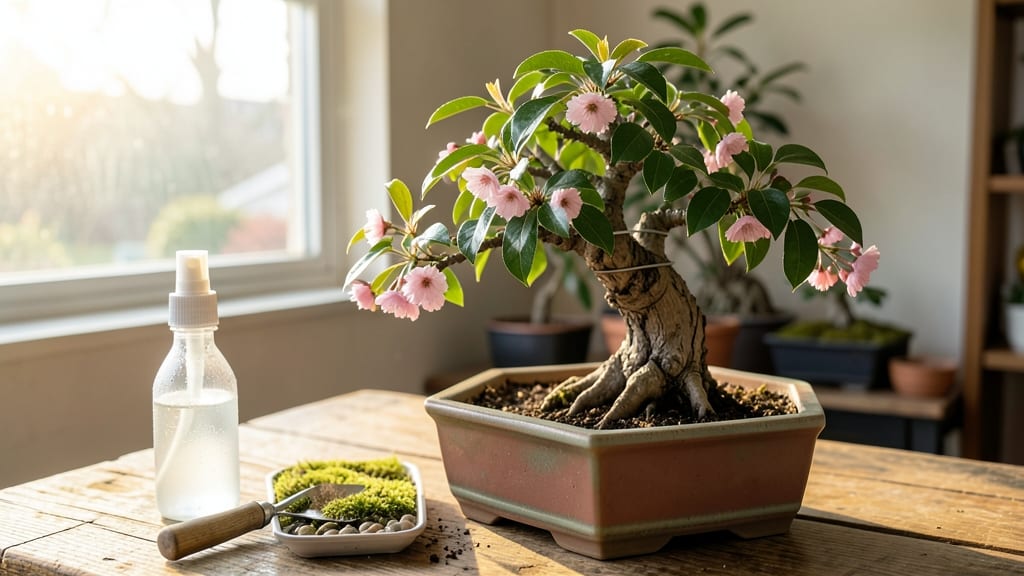
Caring for a cherry blossom bonsai tree means mastering the delicate balance between art and science—one pruning cut at a time. 🌸 The secret to those showstopping pink blooms lies in understanding when to prune, how to shape the branches, and when to let the tree rest.
I’ve watched my own bonsai go from bare branches to a riot of blossoms in just three years by following a few key seasonal rules.
The most critical step is timing: prune after flowering but before new growth appears, and never cut back more than one-third of the branch in a single session.
Your bonsai needs well-draining soil (a mix of akadama, pumice, and lava rock) and morning sun with afternoon shade to prevent stress. Watering should be frequent but never soggy—stick your finger in the soil; if the top inch feels dry, it’s time to water.
By late summer, you’ll see tiny buds forming—this is your cue to reduce watering slightly to encourage stronger blooms next spring. The payoff? A bonsai that bursts into color each season, proving that patience and precision turn a small tree into a living masterpiece.
For experienced growers, mastering jins (deadwood styling) or shohin (miniature) techniques takes it to the next level—but even beginners can achieve stunning results with these basics.
📚 In This Guide
- What you need
- Instructions
- Tips and common mistakes
- Wrapping up and next steps
What you need
- ● Cherry Blossom Bonsai Tree: Start with a young Prunus serrulata or Prunus x yedoensis variety (dwarf or pre-bonsai sized, 3–6" tall).
- ● Bonsai Pot: 1 shallow, well-draining pot (6–12" wide) with drainage holes. Unglazed clay is ideal.
- ● Bonsai Soil: 1 bag of akadama, pumice, and lava rock mix (70% akadama, 15% pumice, 15% lava rock).
- ● Wire (for Pruning): 1 roll aluminum or copper bonsai wire (1–3mm gauge, depending on branch thickness).
- ● 1 pair wire cutters.
- ● Pruning Tools: 1 concave bonsai cutter (for thick branches).
- ● 1 needle-nose pruning shears (for fine trimming).
- ● Root Pruning Tools: 1 bonsai root hook or chisel (for repotting).
- ● 1 small hand trowel.
- ● Humidity Tray: 1 plastic tray + pebbles (to maintain moisture during blooming season).
- ● Misting Bottle: 1 spray bottle (for daily misting in dry climates).
- ● Bonsai Fertilizer: 1 bottle balanced liquid fertilizer (e.g., 10-10-10 or bonsai-specific blend).
- ● 1 packet organic bloom booster (for spring flowering).
- ● Support Stakes: 1–2 bamboo or plastic stakes (for weak branches).
- ● Tree Wax: 1 small jar (to seal pruning cuts and prevent disease).
- ● Grafting Tools (Advanced): 1 grafting knife (if propagating from cuttings).
Instructions for cherry blossom bonsai tree care
Here’s how to keep your delicate cherry blossom bonsai thriving through every season—no guesswork, just proven techniques.
🌱 Step 1: Prune for Structure in Late Winter
Wait until late February or early March when buds swell but haven’t yet opened. This is the only time to shape your tree—pruning later risks losing next year’s blooms. Use sharp, clean bonsai shears to trim branches back to a bud or joint, never cutting blindly. I like to step back often to check balance; uneven cuts throw off the natural silhouette.
Remove dead or crossing branches first—they compete for energy. For thicker branches, make angled cuts just above a bud to encourage outward growth. If your tree has too many branches, thin aggressively: one in three is a good rule. The goal is light penetration to the inner branches, so don’t be shy with cuts. After pruning, spray the cuts with a fungicide solution to prevent infection.
☀️ Step 2: Encourage Blooms with Strategic Light and Fertilizer
Place your bonsai in bright, indirect light for 12-14 hours daily—a south or east-facing window works best. Direct sun burns delicate leaves, while too little light weakens blooms. If indoors, supplement with a grow light 6 inches above the tree for 8 hours daily. You’ll see stronger buds form if leaves stay deep green, not pale or yellowing.
Start fertilizing in early spring with a balanced 10-10-10 liquid fertilizer, diluted to half strength. Feed every 2 weeks until buds appear, then switch to a high-phosphorus (5-10-5) fertilizer to support flowering. Water deeply every 2-3 days, letting the top ½ inch of soil dry between waterings. Overwatering is the #1 killer—roots need air to breathe, especially in winter.
✂️ Step 3: Deadhead and Maintain After Blooming
Once flowers fade, remove spent blooms immediately by cutting the stem back to the first leaf or bud. This prevents energy waste on seed development and encourages next year’s buds. I use tweezers for precision—bonsai branches are too delicate for shears here. Watch for new growth at the base of cut stems; this signals the tree is redirecting energy toward future blooms.
After blooming, reduce fertilizer to every 4 weeks and prune again to refine shape, but avoid heavy cuts. Focus on wire training now if needed—wrap aluminum bonsai wire around branches to guide growth, but remove it within 3-4 months to prevent scarring. Mulch the soil surface with fine bark to retain moisture and deter weeds. This is also the time to repot every 2-3 years if roots are crowded.
⏰ Step 4: Prepare for Dormancy in Fall
By late September, reduce watering gradually and stop fertilizing entirely. Let the soil dry slightly between waterings to mimic natural autumn conditions. Prune only dead or diseased branches—no structural cuts now. Move the tree to a cool (50-60°F) location with bright, indirect light to simulate winter.
In late fall, spray the tree with a dormant oil to protect against pests like spider mites. Wrap the pot in burlap if temperatures drop below 30°F to shield roots. Check weekly for buds forming—if you see pink hints, move it back to a cooler indoor spot (40-50°F) to prevent premature blooming. This patience ensures a stronger bloom cycle next spring.
Tips & tricks for perfect cherry blossom bonsai care
Real talk—bonsai care reveals itself in the details, especially with delicate bloomers like cherry blossom. These tricks will help you avoid the common pitfalls that turn beautiful trees into sad, bare branches.
Timing is Everything: The late February to early March window for pruning is non-negotiable. I learned this the hard way after pruning too early and losing next year's blooms completely. Watch for buds that swell but haven't opened yet—this is your exact cue. If you're unsure, take a photo of your tree's current state and compare it daily. The difference between a thriving bonsai and a struggling one often comes down to this single timing detail.
Light Strategy: That 12-14 hours of bright, indirect light isn't just about quantity—it's about quality. I've seen bonsai owners with perfect light placement still struggle because they didn't account for seasonal light changes. In winter months, supplement with your grow light for those extra 8 hours, especially if you're in a north-facing home. The goal is to maintain that deep green leaf color year-round—pale leaves mean your tree is begging for more light.
Pruning Precision: When you're thinning branches at a one-in-three ratio, resist the urge to go slower. I used to hesitate, thinking I was being too aggressive, but bonsai actually thrive when you're bold. Make those angled cuts just above buds—this isn't just about aesthetics, it's about directing growth energy where you want it. And for heaven's sake, don't skip the fungicide spray after pruning. I've seen beautiful bonsai trees ruined by infections that started from seemingly minor cuts.
Seasonal Transition: The shift from summer care to fall dormancy is where most people mess up. When you reduce watering in late September, don't just cut back—gradually taper it. And that 50-60°F cool spot isn't arbitrary: it's mimicking the natural temperature drop that triggers dormancy. If your home stays too warm, consider moving your bonsai to a basement or garage area with proper light. The key is patience—rushing this transition can disrupt the entire bloom cycle.
Pro Tips for Cherry Blossom Bonsai Tree Care
- Real talk—bonsai care reveals itself in the details, especially with delicate bloomers like cherry blossom.
- Timing is Everything: The late February to early March window for pruning is non-negotiable.
- Light Strategy: That 12-14 hours of bright, indirect light isn't just about quantity—it's about quality.
Frequently asked questions
How often should I prune my cherry blossom bonsai to encourage blooms?
Prune after flowering (late spring) to shape the tree and promote new growth. Light trimming of branches in summer helps maintain structure, but avoid heavy cuts—cherry blossoms bloom on last year’s wood! A mild winter prune (removing dead/diseased branches) keeps it healthy.
Can cherry blossom bonsai survive winter outdoors?
Most bonsai varieties need protection from freezing temps. If outdoors, cover with frost cloth or move to a garage/unheated shed (above 20°F/-7°C). Indoor bonsai near a sunny window work too—just avoid drafts! Pro tip: Reduce watering in winter to prevent root rot.
Why isn’t my cherry blossom bonsai blooming?
Blooms require mature wood (3+ years old) and proper dormancy. Check these fixes:
- Sunlight: 6+ hours of direct light daily (south-facing window or grow lights).
- Pruning: Avoid over-trimming—leave some old branches for flower buds.
- Fertilizer: Use a low-nitrogen bloom booster in early spring.
- Stress: Sudden temp changes or overwatering can delay blooms.
What’s the best soil mix for a cherry blossom bonsai?
Use a well-draining mix like:
- 50% akadama (retains moisture but drains fast)
- 30% pumice (aeration)
- 20% organic matter (peat moss or compost)
Repot every 2–3 years in spring to refresh nutrients. Warning: Avoid heavy clay soil—it causes root rot!
How do I treat pests like aphids or spider mites on my bonsai?
Start with a gentle spray of water to dislodge pests. For stubborn infestations:
- Neem oil: Mix 1 tsp with 1 quart water; spray undersides of leaves.
- Insecticidal soap: Targeted spray (test on a small area first).
- Prevention: Isolate new plants for a week and keep humidity moderate.
Check leaves weekly—early action is key!
Wrapping up and next steps
Caring for a cherry blossom bonsai is a rewarding journey that blends patience, precision, and passion. By mastering seasonal pruning—especially during dormancy and bloom cycles—you’ll unlock stunning, delicate blossoms year after year. 🌸 Remember, every trim and adjustment brings your bonsai closer to its full potential.
Ready to see your bonsai thrive? Start by observing your tree’s growth patterns and gradually refine your techniques. Before you know it, you’ll be the proud guardian of a breathtaking, miniature cherry blossom masterpiece! 🌱✨