
Trees
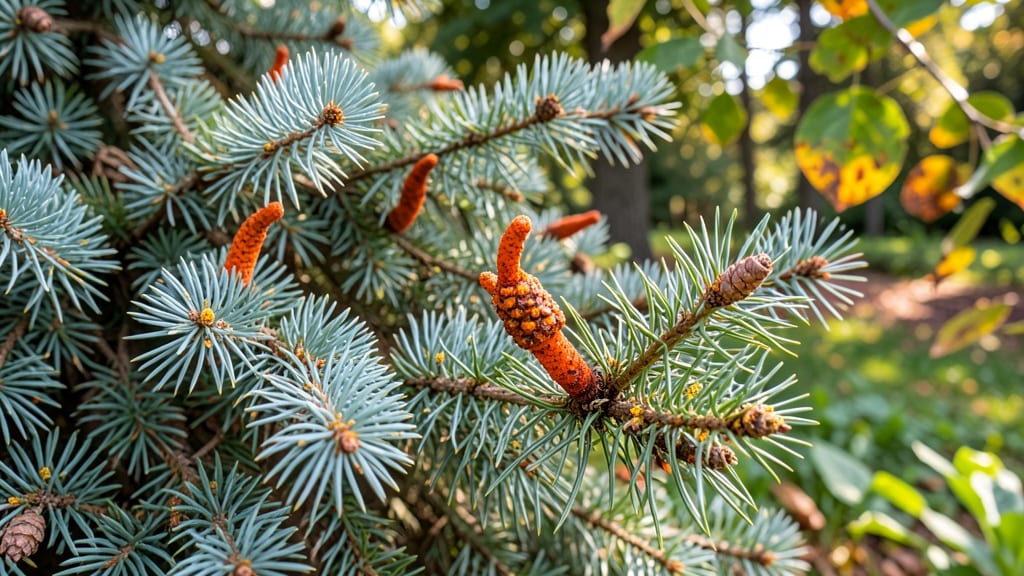
Those bright orange pustules on your cedar tree aren’t just unsightly—they’re cedar tree rust, a fungal infection that spreads fast and weakens trees over time. 🌿 I’ve battled this stubborn fungus in my own yard, and I’ll show you exactly how to stop it before it takes hold of your landscape.
The problem starts when spores from nearby juniper trees (cedar’s close relatives) infect your cedar’s needles, creating those telltale orange clusters by spring. Left untreated, the fungus drains the tree’s energy, causing stunted growth and even death in severe cases. The good news? Organic sprays work—if you catch it early.
With the right mix of copper fungicide and neem oil, you can halt the spread within 2-3 weeks of consistent treatment. I’ll walk you through the exact spray recipe, timing, and prevention steps that saved my trees—and kept my neighbors’ junipers from becoming future infection sites.
This method works for both junipers and cedars, so you can protect your whole yard. Let’s get those trees healthy again before the next spore season hits.
The Hidden Triggers Behind Tree Rust
Cedar tree rust isn’t just a random fungal attack—it’s a deliberate lifecycle strategy by pathogens like Gymnosporangium juniperi-virginianae (the cedar-apple rust fungus). Understanding its causes helps you disrupt the cycle before it takes hold. Here’s why your cedar trees become prime targets:
The rust fungus can’t complete its life cycle on cedars alone. It requires two alternating hosts to thrive:
- Cedar trees (Juniper spp.): The fungus overwinters here, producing teliospores (thick-walled spores) on needles.
- Apple, hawthorn, or crabapple trees: In spring, spores infect these plants, forming bright orange gelatinous galls (the "rust" you see). These galls release urediniospores, which then infect cedars again.
Why it matters: If you’ve got cedars and susceptible fruit trees nearby, the fungus has a perfect breeding ground. Even a single infected apple tree can spread spores to nearby cedars within miles via wind.
Rust fungi love moisture. Here’s how rain triggers outbreaks:
- Spring showers (April–June): Warm, wet conditions cause cedar needles to weep spores. A single heavy rain can blast millions of spores into the air, infecting nearby fruit trees.
- Summer humidity: High humidity (above 75%) keeps spores viable longer on leaves, extending the infection window.
- Fall leaf litter: Infected leaves or galls left on the ground overwinter, releasing new spores when spring rains return.
Pro tip: 🌡️ Monitor your local weather—if your area gets consistent rain after warm spells, that’s your warning sign to act fast.
Healthy cedars resist rust better because their defenses are strong. But stress opens the door:
- Drought stress: Dry soil weakens trees, making them easier targets for fungal entry.
- Poor soil nutrition: Low nitrogen or phosphorus levels reduce natural resistance.
- Physical damage: Pruning wounds, storm breaks, or insect bites create entry points for spores.
- Overcrowding: Dense plantings trap moisture and reduce airflow, ideal for fungal spread.
Actionable fix: 💡 Test your soil and amend with compost or a balanced fertilizer (like 10-10-10) to boost tree vigor before rust season.
Rust thrives in specific climates. If you live in these zones, you’re high-risk:
| Region | Why It’s Risky |
|---|---|
| Pacific Northwest (WA, OR) | Cool, wet springs + abundant cedars and apple orchards = perfect storm. |
| Northeast (NY, PA, VT) | High humidity and wild hawthorn/crabapple trees fuel outbreaks. |
| Midwest (MI, WI, MN) | Frequent rain + agricultural fruit crops spread spores rapidly. |
| Mountain West (CO, UT) | Dry summers trick you—fall rains reignite dormant spores. |
Key takeaway: If you’re in these areas, proactive sprays in early spring (before spores release) are critical.
Now that you know why rust strikes, the next step is how to stop it in its tracks—starting with organic sprays that disrupt the fungal lifecycle. Stay tuned!
Effective Cedar Tree Rust Remedies
Cedar tree rust may seem like a stubborn foe, but with the right approach, you can restore your trees to health and prevent future outbreaks. Below are targeted solutions based on the root causes—fungal spores, environmental stress, and poor tree care—and practical steps to tackle them.
Cause: Fungal spores thrive on fallen leaves, needles, and twigs. Fix:
- 🔥 Clear the area by raking up and disposing of all infected debris (do not compost it—burn or bag it).
- 🍳 Trim affected branches (at least 6 inches below visible rust spots) using sterilized pruners (wipe with rubbing alcohol between cuts).
- 👨🍳 Bag and dispose of pruned material immediately to prevent spore spread.
Pro Tip: 💡 Wear gloves and a mask when cleaning—fungal spores can irritate skin and lungs!
Cause: Fungal growth (like Gymnosporangium species) needs to be chemically disrupted. Fix:
- 🌡️ Spray with neem oil (1 tbsp per quart of water + a drop of dish soap as a surfactant). Reapply every 7–10 days during wet seasons.
- ✨ Use copper fungicide (like Copper Soap or Bordeaux Mixture) for severe cases. Follow label instructions—overuse can harm beneficial microbes.
- 🎯 Try baking soda spray (1 tbsp baking soda + 1 tsp dish soap + 1 gallon water) for mild infections. Test on a small branch first.
Pro Tip: 🌡️ Apply fungicides in the early morning or late evening to avoid burning leaves in direct sunlight.
Cause: Rust spreads faster in humid, shaded, or crowded conditions. Fix:
- ⏰ Thin out dense branches to allow sunlight and airflow. Aim for 20–30% more space between limbs.
- 🔪 Prune nearby shrubs/trees that block airflow around your cedar.
- 💦 Water at the base (not overhead) to keep foliage dry. Early morning watering prevents evening moisture buildup.
Pro Tip: 🌿 Mulch around the tree base (2–3 inches deep) with cedar chips or pine straw—these repel moisture and deter fungal growth.
Cause: Weak or stressed trees are more susceptible to rust. Fix:
- 📊 Fertilize in early spring with a balanced organic fertilizer (10-10-10 or compost). Avoid over-fertilizing—cedars prefer lean soil.
- 💪 Boost immunity with a seaweed extract spray (rich in growth hormones and disease fighters).
- 🍎 Monitor for pests (like bagworms or spider mites) that weaken trees. Treat with insecticidal soap if needed.
Pro Tip: ✨ Avoid heavy pruning in late summer/fall—this stresses trees and invites fungal infections.
Once your cedar recovers, keep rust at bay with these maintenance habits:
- 🔄 Inspect trees twice yearly (spring and fall) for early signs of rust (orange pustules on needles).
- 🌦️ Plant rust-resistant varieties like Thuja occidentalis ‘Sunkist’ if rust is recurrent in your area.
- 🌿 Avoid planting cedars near junipers (common alternate hosts for rust spores).
Final Pro Tip: 🎯 Healthy cedars fight off rust better—prioritize soil health, proper spacing, and seasonal care!
By combining removal, organic treatments, airflow adjustments, and tree strengthening, you’ll not only stop rust in its tracks but also future-proof your cedar’s health. Start with the most severe issues first, then maintain a consistent prevention routine for long-term success.
Frequently asked questions
What do cedar tree rust pustules look like?
Cedar tree rust appears as bright orange-red gelatinous clusters (about 1/4-inch wide) on needles or twigs. In spring, they look like tiny blisters that ooze spores when wet. On alternate hosts like apple trees, they form wart-like galls with rust-colored powder inside.
Is cedar tree rust contagious to other plants?
Yes! The fungus needs two hosts: cedars/juniper (where it overwinters) and fruit trees (apple, hawthorn, crabapple) where it produces spores. If you have both nearby, the cycle continues annually. Remove infected fruit tree galls to break the cycle.
Will pruning infected branches stop the spread?
Pruning helps, but only if you sterilize tools between cuts and dispose of infected debris (don't compost). Cut 6 inches below visible pustules to remove hidden spores. For severe cases, combine pruning with copper fungicide sprays every 2 weeks during wet seasons.
Can I use vinegar spray for cedar rust?
No, vinegar is too harsh for cedar needles and won't effectively kill rust fungi. Instead, use neem oil (1 tbsp/quart water) or baking soda spray (1 tbsp baking soda + 1 tsp dish soap/gallon water). Both are safer organic alternatives that disrupt fungal growth without harming the tree.
How long does it take to see improvement?
With consistent treatment, you may see new growth free of pustules within 4-6 weeks. Severe cases might take 1-2 growing seasons to fully recover. Monitor trees monthly and reapply fungicides after heavy rains, as moisture reactivates spores.