
Pruning
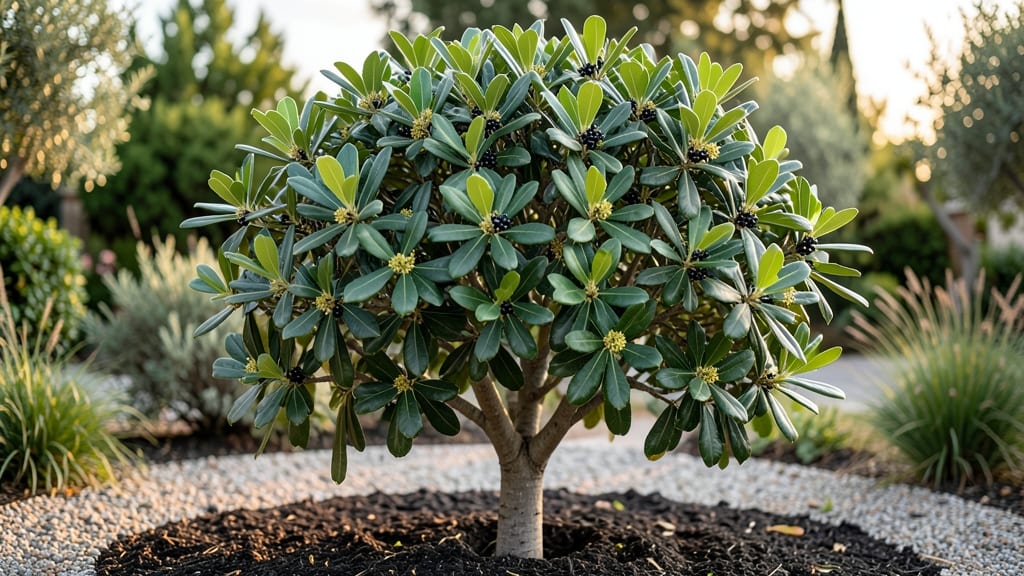
The care of your laurel tree unlocks its evergreen secrets—especially during the dormant season, when a few simple tricks transform thin, scraggly branches into dense, velvety foliage that lasts all year. 🌿 I’ve nursed struggling laurels back to health by focusing on what most gardeners overlook: the winter prep that sets up summer success.
The key? Pruning at the right time, adjusting water, and feeding the roots when growth slows down.
Laurels thrive on neglect but reward attention with thicker growth. Start with well-draining soil—amend heavy clay with compost—and water only when the top 2 inches feel dry. Most pests and diseases sneak in through stress, so keep leaves dust-free and watch for spider mites on the undersides.
A light layer of mulch in winter insulates roots and locks in moisture.
When spring arrives, you’ll see the payoff: glossy leaves that stay vibrant even in heat waves. The pruning you do now—cutting back 1/3 of last year’s growth—encourages bushier, more compact branches. It’s not about making the tree smaller; it’s about teaching it to grow fuller where you want it.
Outdoor laurels handle full sun, but indoor varieties need bright, indirect light. Rotate pots monthly so growth stays even, and fertilize lightly in spring with a balanced 10-10-10 mix.
The goal? A tree that looks effortless but is actually prepared for anything—drought, pests, or even a harsh winter. Let’s get those branches lush again.
📚 In This Guide
- What you need
- Instructions
- Tips and common mistakes
- Wrapping up and next steps
What you need
- ● Pruning shears: Bypass pruners (sharp, clean, and sterilized with rubbing alcohol). Quantity: 1 pair.
- ● Loppers: For thicker branches (16–24" blades). Quantity: 1 pair.
- ● Pruning saw: Heavy-duty, curved blade for large limbs. Quantity: 1.
- ● Gloves: Heavy-duty work gloves (cut-resistant). Quantity: 1 pair.
- ● Ladder: Sturdy, extendable (if tree is >6 ft tall). Quantity: 1.
- ● Disinfectant: 1-part bleach to 9 parts water (for sterilizing tools).
- ○ Pruning sealant: Optional but helpful for large cuts (e.g., Tanglefoot Tree Wound Pruning Seal).
- ● Fertilizer: Slow-release, balanced (10-10-10 or 20-20-20) for dormant-season boost. Quantity: 1–2 lbs per 100 sq ft.
- ● Mulch: Organic (wood chips, pine straw) for moisture retention. Quantity: 2–3 inches, spread in a 3-ft radius around the base.
- ● Tree bag: For collecting pruned branches (10–20 gallon capacity).
- ● Safety gear: Eye protection (goggles) and long sleeves/pants.
- ● Weather check: Prune on a dry, calm day (avoid frost or rain within 24 hours).
- ● Tree assessment: Identify dead, diseased, or crossing branches before you start.
- ● Safety first: Clear the area of pets, kids, and bystanders.
Step-by-Step guide to winterizing your laurel tree for year-round health
Here’s how I keep my laurel trees thriving through winter—no guesswork, just proven techniques.
🌿 Step 1: Inspect and Prune for Winter Readiness
Start by giving your laurel tree a thorough once-over before the first frost. Look for any dead, diseased, or crossing branches—these are weak points that can invite pests or rot during winter’s damp chill. I always prune in late fall, just before dormancy sets in, because fresh cuts heal better in mild weather.
Use clean, sharp pruners to make cuts just above a leaf node or outward-facing bud. Avoid heavy pruning—just remove what’s necessary to improve airflow. Laurel trees handle light shaping better than drastic cuts, so think of this as tidying up rather than a major overhaul. You’ll know you’ve done it right when the canopy looks open and air can circulate freely.
✂️ Step 2: Protect the Trunk and Roots from Freezing
Laurel trees have thin bark that’s susceptible to winter sunscald, where rapid temperature swings cause bark to split. To prevent this, I wrap the trunk with a breathable tree wrap or even an old burlap sack secured with twine. Make sure it’s snug but not tight—you want to protect without suffocating.
For the roots, add a 2-3 inch layer of mulch around the base, keeping it 6 inches away from the trunk to avoid moisture bupping up against the bark. I use shredded bark mulch because it breaks down slowly and insulates the soil. Water deeply before applying mulch so the roots stay hydrated through the dry winter months.
☀️ Step 3: Adjust Watering for Dormancy
Laurel trees go semi-dormant in winter, so they need far less water than in summer. I check the soil every 2-3 weeks—if the top 2 inches feel dry, that’s your cue to water lightly. Overwatering in winter leads to root rot, especially if the soil doesn’t drain well. A slow, deep drink is better than frequent shallow watering.
If you’re in a region with heavy snow or ice, avoid piling it against the trunk. Instead, let snow accumulate naturally around the tree—it acts as a natural insulator. For container-grown laurels, move pots to a sheltered spot like a garage or under an eave, but make sure they’re not exposed to freezing temps below 20°F. A thick layer of mulch on top of the soil helps too.
🌱 Step 4: Monitor for Pests and Early Signs of Stress
Winter pests like spider mites or scale insects can still attack dormant laurels, especially if the tree is weakened. I inspect the undersides of leaves and the trunk for webbing or sticky residue—early signs of infestation. If you spot anything, treat with horticultural oil or insecticidal soap in early spring before new growth appears.
Watch for yellowing leaves or wilting branches, which can signal root damage or fungal issues from poor winter care. Laurel trees are tough, but they’ll show stress if conditions are too harsh. If you notice problems, adjust your approach—maybe the mulch needs replenishing or the tree needs a better spot for next winter.
⏰ Step 5: Plan for Spring Awakening
As temperatures rise in late winter, start prepping for spring by removing any winter wraps or protective covers. Laurel trees will show new growth when daytime temps consistently stay above 50°F. I like to fertilize lightly in early spring with a balanced 10-10-10 formula to encourage fresh foliage.
This is also the time to check for any winter damage—like broken branches or bark splits—and address it before the growing season kicks in. A little attention now means your laurel will burst back to life with vibrant, healthy leaves come spring. Trust me, it’s worth the effort!
Tips & tricks for perfect laurel tree care
Keeping your laurel tree healthy through winter takes just a few smart moves—and avoiding these common pitfalls makes all the difference.
Pruning Precision: When you're inspecting your tree in Step 1, focus on removing only what's truly necessary. I learned this the hard way after over-pruning and weakening my tree. Look for branches that cross or rub against each other—they create wounds where pests can enter. Remember, laurel trees handle light shaping best, so think of this as tidying up rather than a major overhaul. The goal is to improve airflow, not transform the tree's shape completely.
Mulch Mastery: In Step 2, that 2-3 inch layer of mulch around your tree's base is crucial for insulation, but placement matters just as much as thickness. Keep it 6 inches away from the trunk to prevent moisture buildup that can cause rot. I've found that shredded bark mulch works best because it breaks down slowly, providing long-term protection. One trick I've picked up is to water deeply before applying the mulch—this ensures the roots stay hydrated through the dry winter months.
Winter Watering Wisdom: The 2-3 week watering schedule in Step 3 might seem infrequent, but it's perfect for winter dormancy. I check the soil by inserting my finger about 2 inches deep—if it feels dry, that's your cue to water lightly. The key here is to avoid overwatering, which can lead to root rot. Think of it as giving your tree a slow, deep drink rather than frequent shallow watering. For container-grown laurels, remember to move them to a sheltered spot before temperatures drop below 20°F.
Spring Awakening Prep: In Step 5, when you're planning for spring awakening, don't forget to check for any winter damage before removing protective covers. I always look for bark splits or broken branches that might need attention. Once daytime temperatures consistently stay above 50°F, you can safely remove any winter wraps and start fertilizing lightly with a balanced 10-10-10 formula. This timing is crucial because it gives your tree the nutrients it needs to burst back to life with vibrant foliage.
Pro Tips for Laurel Tree Care
- Keeping your laurel tree healthy through winter takes just a few smart moves—and avoiding these common pitfalls makes all the difference.
- Pruning Precision: When you're inspecting your tree in Step 1, focus on removing only what's truly necessary.
- Mulch Mastery: In Step 2, that 2-3 inch layer of mulch around your tree's base is crucial for insulation, but placement matters just as much as thickness.
Frequently asked questions
When is the best time to prune a laurel tree in its dormant season?
The ideal window is late winter to early spring (just before new growth starts). Aim for February or March in most U.S. climates. Avoid pruning in fall—it can stimulate tender growth that won’t survive winter frosts. Pro tip: Check your local frost dates to time it perfectly!
How much can I trim back my laurel tree without harming it?
Laurel trees are resilient! You can safely remove up to one-third of the foliage per year. For shaping, cut back to just above a leaf bud or branch collar (the swollen area where the branch meets the trunk). Avoid "topping" (cutting flat across)—this stresses the tree and leads to weak regrowth. Pro tip: Use sharp bypass pruners for clean cuts!
What should I do if my laurel tree has brown, crispy leaves after pruning?
Brown leaves are often a sign of over-pruning or drought stress. If it’s winter, the tree may just be dormant—wait until spring to see new growth. If the issue persists, check for pests (like spider mites) or underwatering. Fix: Water deeply once a week (if no rain) and apply a balanced fertilizer in early spring.
Can I grow a laurel tree from a cutting, or should I stick to buying one?
Yes! Laurel trees propagate easily from softwood or semi-hardwood cuttings. Take 4–6 inch cuttings in spring/summer, dip in rooting hormone, and plant in moist potting mix. Keep humid (use a plastic bag) and wait 4–8 weeks for roots. Bonus: This saves money and ensures a disease-free start!
Do laurel trees need extra care during winter droughts?
Laurel trees are drought-tolerant but benefit from deep watering every 2–3 weeks in winter (if rainfall is scarce). Mulch around the base (2–3 inches) to retain moisture and protect roots. Watch for: Wilting leaves or dry soil—adjust watering as needed!
What’s the difference between pruning for shape vs. pruning for health?
Shape:
Focus on even branches, removing crossing or inward-growing limbs to improve airflow. Health: Target dead, diseased, or pest-ridden branches first—cut back to healthy wood. Pro tip: Combine both for a tree that’s beautiful and strong!
Wrapping up and next steps
Caring for your laurel tree during the dormant season doesn’t have to be daunting—just follow these simple tricks to keep its foliage thriving year-round! 🌿 With the right pruning techniques, soil prep, and seasonal adjustments, you’ll ensure your tree stays healthy, vibrant, and long-lasting.
Remember, consistency is key, and a little effort now means lush greenery for seasons to come.
Ready to take your laurel tree care to the next level? Grab your tools, roll up your sleeves, and give your tree the TLC it deserves! 🌟 Start by scheduling a quick check-up this weekend—your tree will thank you!