
Featured
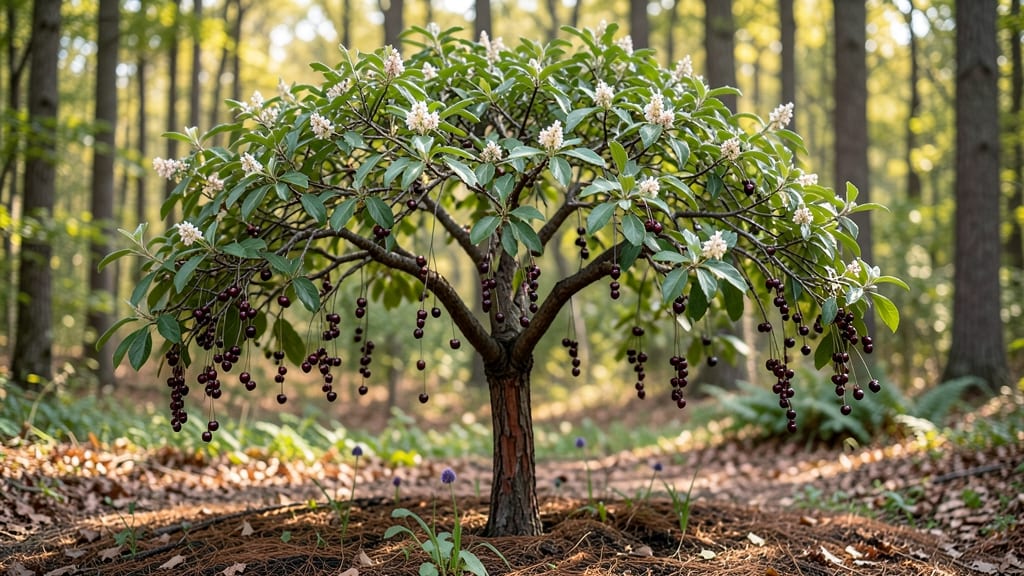
Canada Red cherry tree fruit ripens in late summer, turning deep red with a glossy sheen when fully mature. Harvest when firm but yielding slightly to touch, ensuring sweet-tart flavor and optimal texture for fresh eating or preserving.
The Canada Red cherry tree transforms its fruit through a fascinating color shift from pale green to vibrant red due to anthocyanin development—a natural pigment that peaks when sugars and acids balance perfectly. 🌿 This variety thrives in full sun, so warmer days accelerate ripening, while cooler mornings preserve the fruit's crisp texture.
Unlike some cherries that soften too quickly, Canada Reds stay firm enough to handle gentle picking without bruising, making them ideal for both fresh markets and long-term storage.
For optimal flavor, harvest these cherries in the morning when temperatures are cooler, using a small bucket lined with a soft cloth to prevent damage. Varieties like 'Stella' tend to ripen slightly earlier than 'Sunburst,' so monitor each tree individually.
Once picked, refrigerate immediately to slow sugar conversion and maintain that signature sweet-tart balance that makes Canada Reds so beloved.
💡 In This Article
- Identifying Canada Red Cherry Ripening Stages by Color and Texture
- Best Harvesting Practices for Canada Red Cherries by Variety
Identifying canada red cherry ripening stages by color and texture
The vibrant red hue of Canada Red cherries isn't just visually stunning—it's a result of anthocyanin pigments that develop as the fruit matures. These water-soluble compounds, triggered by sunlight exposure and cooler temperatures, transform the fruit from pale green to that signature deep red.
The glossy sheen appears when the fruit's waxy cuticle thickens, typically around 75-80°F daytime temperatures, which is why late summer harvests yield the most visually appealing fruit.
Texture plays an equally important role in determining ripeness. Immature cherries feel rock-hard, while fully ripe ones yield slightly when pressed near the stem—like a ripe peach. This firmness comes from cell wall rigidity that maintains structure until sugars peak at 14-16% soluble solids, giving that perfect sweet-tart balance.
Varieties like 'Stella' often ripen 1-2 weeks earlier than 'Sunburst', so their texture shifts faster under optimal growing conditions.
Environmental factors accelerate this process dramatically. Direct sunlight boosts anthocyanin production, while consistent 60-70°F nighttime temperatures slow sugar conversion, preserving that crisp texture. What most growers don't realize is that sudden temperature drops below 50°F can trigger premature softening, making timing everything for perfect harvest windows.
Visual cues alone aren't enough—always combine color, texture, and stem attachment. A ripe Canada Red cherry will separate cleanly from the stem with gentle pressure, while unripe ones resist completely.
This separation test works because the fruit's pectin structure breaks down just enough to release naturally, without the mushy texture of overripe fruit.
For the best flavor profile, harvest when 70-80% of the crop shows that glossy red color. The remaining fruit will ripen within 2-3 days if left on the tree, but waiting too long risks bird damage and texture loss.
The sweet-tart balance peaks at this stage, making it ideal for both fresh eating and preserving.
Pro tip: Use a refractometer to measure sugar content—values between 12-14° Brix indicate perfect ripeness for Canada Reds. This tool takes the guesswork out of determining when your cherries are truly ready to pick.