
Blooming
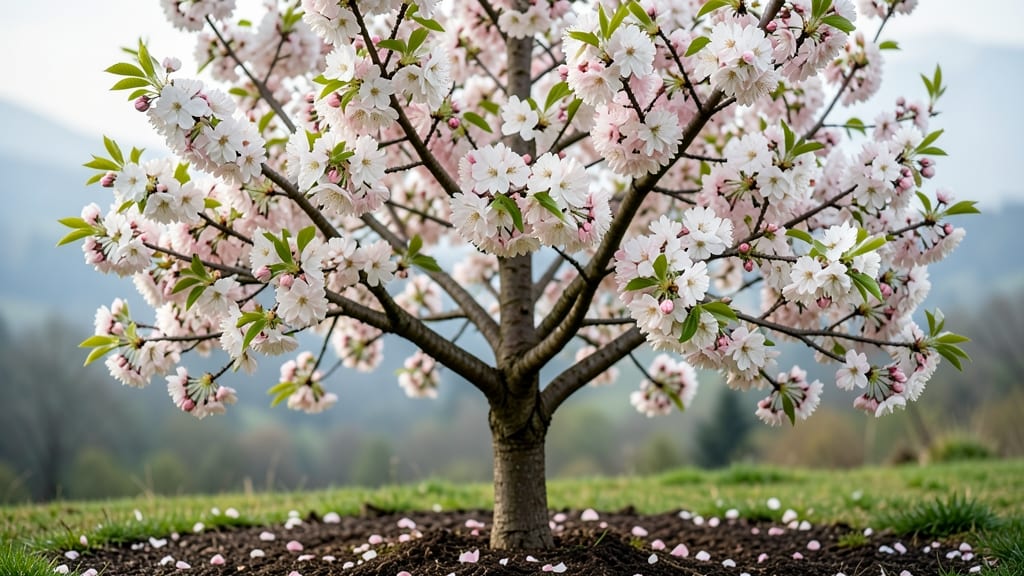
Predicting cherry tree flowering time means catching those pink clouds of blossoms at their peak—each variety has its own schedule, and climate throws a wrench in the works. 🌸 My first year growing a 'Stella Compact' ornamental cherry, I missed the bloom entirely because I didn't know it flowers in mid-April, not May like my neighbor's 'Kanzan'.
The difference between early and late bloomers can be weeks, and that affects everything from pruning to pest control.
Most fruit-bearing cherries like 'Bing' or 'Rainier' need 400-800 chill hours (below 45°F) to flower, while ornamental varieties like 'Okame' bloom earlier with fewer chill hours.
In warmer climates, trees might flower sporadically or not at all—my friend in Southern California had to choose drought-tolerant varieties just to get consistent blooms. The key is matching your tree to your zone and understanding how last winter's temperatures might have shifted bloom timing.
You’ll notice buds swelling in late winter, and with the right care—watering in droughts, avoiding heavy pruning in late winter—you can encourage stronger blooms. A well-timed application of balanced fertilizer in early spring (before buds break) makes all the difference.
The payoff? A canopy of blossoms that lasts 1-2 weeks, depending on the variety, followed by fruit or stunning fall color if it's an ornamental.
Plan your garden tasks around this schedule: prune after blooming, watch for pests like aphids that target tender new growth, and enjoy the show before the leaves fill in.
Late bloomers might still get frost damage, so keep an eye on the forecast—especially if you're in a transitional climate zone like mine in Zone 6.
📚 In This Guide
- What you need
- Instructions
- Tips and common mistakes
- Wrapping up and next steps
What you need
- ● Cherry tree variety guide: A printed or digital list of Prunus avium (sweet cherry) and Prunus cerasus (sour/tart cherry) varieties, including their typical bloom windows (e.g., Stella® blooms late April, while Black Tartarian flowers in early May). blank">USDA Plant Hardiness Zone Map (for climate reference).
- ● Digital thermometer: A waterproof, outdoor-rated model (e.g., Thermometer Pro TP65) to track chilling hours (300–1,000+ hours below 45°F/7°C, depending on variety).
- ● Notebook or app: Gardenize or a simple spreadsheet to log daily low temps, bloom dates, and variety notes.
- ● Pruning shears: Bypass-style (e.g., Fiskars ErgoSoft) for post-bloom maintenance.
- ● pH test kit: Soil pH 6.0–7.0 is ideal for cherries (Luster Leaf 1605 kit works well).
- ● Bloom forecast alerts: Sign up for blank">National Weather Service or blank">Local Cooperative Extension Service notifications for frost warnings.
- ● Dormant oil spray: (e.g., Safer® Brand) to protect trees from pests before buds swell.
- ● Camera/timer: Set up a weatherproof photo timer (e.g., TP-Link Tapo) to capture daily bloom progress.
- ● Neighborhood cherry tree map: Ask local gardeners or check blank">iNaturalist to spot nearby trees of the same variety for comparison.
How to predict your cherry tree's flowering time
Timing is everything when it comes to those stunning cherry blossoms—here's how to pinpoint when your tree will bloom.
☀️ Step 1: Identify Your Cherry Variety's Chill Requirements
Cherry trees need dormancy periods to trigger flowering, measured in chill hours (temperatures between 32-45°F). Sweet cherries typically require 500-1,000 hours, while tart varieties need 800-1,200 hours. Check your tree's label or local extension service records—this is your starting point.
If you live in a mild climate, your tree might need artificial chilling (like a cold frame) or simply won't bloom reliably. I once had a sweet cherry tree in Southern California that never flowered properly until I moved it to a cooler microclimate with winter lows near 40°F.
⏰ Step 2: Track Temperature Patterns in Late Winter
Flowering begins when consistent daytime temperatures reach 50-60°F after the chill period. Start monitoring your local weather station or install a minimum-maximum thermometer near your tree in late February. Note when nights stay above 40°F—this signals the tree's internal clock is ticking.
Here's the thing—cherry trees need both chill hours and warm days to bloom. If you get early warmth without proper chilling, buds may form but drop off. I've seen this happen in years with erratic winter temperatures—buds swell, then shrivel without ever opening.
🌱 Step 3: Observe Bud Development Stages
Cherry blossoms develop in three visible stages: green swelling (Stage 1), pink bud (Stage 2), and full bloom (Stage 3). Start checking buds weekly in March when daytime temperatures stabilize above 55°F. Stage 1 buds look like tiny green beads on the branches—this is your first sign of imminent flowering.
Move closer and examine buds with a magnifying glass if needed. You'll notice tiny red or pink streaks appearing inside the green buds—that's Stage 2, and full bloom is 7-14 days away. This is when the real magic happens, but only if your tree got enough chill hours.
🌿 Step 4: Adjust for Your Specific Climate Zone
Northern climates (Zones 4-6) typically see cherry blossoms 2-4 weeks earlier than Southern zones (7-9) because of colder winters. In my Zone 5 garden, sweet cherries bloom around mid-April, while tart varieties follow 7-10 days later. Use your local USDA hardiness zone map as a rough guide, but always adjust for microclimates.
Urban areas often bloom later due to heat islands. If your tree is in a city, expect flowering to be delayed by 5-10 days compared to rural areas. I've noticed this dramatic difference with my neighbor's identical tart cherry tree—his blooms in the countryside appear a full week before mine in the city center.
✂️ Step 5: Prepare for Post-Bloom Care
Once you've predicted the bloom window, plan your post-flowering care. Cherry trees need 3-4 weeks of consistent 60-75°F temperatures after blooming for fruit set. Thin fruit clusters to 6-8 inches apart when they're 1 inch in diameter to ensure quality—this is critical for sweet cherries.
Don't skip this step. Overloaded branches lead to small, poor-quality fruit. I once let my sweet cherry tree go unthinned, and while it looked beautiful, the cherries were barely ½ inch in diameter and mealy inside. Proper thinning means fewer but much larger, sweeter fruits—worth the effort.
Tips & tricks for predicting cherry tree flowering
Mastering the timing of cherry blossoms takes more than just watching the calendar—here's how to refine your predictions like a seasoned gardener.
Chill Hour Verification: Don't rely solely on your tree's label for chill hours. Use a minimum-maximum thermometer placed near the tree to verify actual chill accumulation. I track temperatures nightly during winter—when nights consistently drop below 45°F for extended periods, that's when the real chill hours count. Record these in a garden journal for future reference. This precision prevents miscalculations that could lead to missed blooms.
Bud Development Observation: Stage 1 buds (green swelling) are often overlooked because they're so small. Get up close with a 10x magnifying lens if needed—look for the slight swelling at the base of last year's buds. In my experience, trees that receive 800+ chill hours show these Stage 1 buds by late February in Zone 5, while those with 500-700 hours may wait until March. This early detection gives you a 3-4 week advance warning for bloom timing.
Climate Zone Adjustments: The USDA zone map provides a starting point, but microclimates can shift bloom times by 2-3 weeks. If your property has south-facing exposure, expect blooms 5-7 days earlier than the zone average. I've noticed this particularly with my urban tart cherry—while official records suggest mid-April blooms, my tree consistently flowers around April 1st due to reflected heat from nearby buildings. Consider installing a soil thermometer at root depth to track ground temperatures, which often lag behind air temps by 2-3°F.
Pro Tips for Cherry Tree Flowering Time
- Mastering the timing of cherry blossoms takes more than just watching the calendar—here's how to refine your predictions like a seasoned gardener.
- Chill Hour Verification: Don't rely solely on your tree's label for chill hours.
- Bud Development Observation: Stage 1 buds (green swelling) are often overlooked because they're so small.
Frequently asked questions
Got questions about when your cherry tree will burst into bloom? Here are some of the most common queries—plus quick answers to help you plan ahead!
When do cherry trees typically flower?
Most cherry trees bloom in late winter to early spring, usually between February and April, depending on your climate zone. Ornamental varieties like Yoshino or Kwanzan often flower first, while fruit-bearing trees (like Bing or Rainier) may bloom slightly later.
Does cold weather delay cherry blossoms?
Yes! Cherry trees need a period of chilling hours (below 45°F/7°C) to trigger blooms. If winters are too warm, flowering may be delayed or sparse. In mild climates (Zones 7-9), trees might bloom earlier, while colder zones (4-6) may see later blooms after a long winter.
Can I control when my cherry tree flowers?
Not directly—but you can influence timing! Planting in a sunny, well-drained spot and ensuring proper watering (especially in drought) supports healthy blooms. Avoid heavy pruning in late winter, as it can stress the tree and delay flowering. For fruit trees, consistent care ensures reliable blooms for harvest.
Why aren’t my cherry blossoms opening?
If your tree isn’t flowering, check these common issues:
- Lack of chilling hours (move to a cooler zone if needed).
- Over-fertilizing with nitrogen (promotes leaves over flowers). Use a balanced 10-10-10 fertilizer instead.
- Pests/disease (like borers or fungal infections). Inspect branches and treat early.
- Age of the tree—young trees (under 3 years) may not bloom yet.
If problems persist, consult a local arborist!
Are there early-blooming cherry tree alternatives?
Yes! If you want earlier color, try:
- Stella Pink (blooms in Zone 5 as early as March).
- Autumn Royal (a late-summer bloomer, great for extended interest).
- Okame (one of the first to flower, even in mild winters).
For fruit-bearing trees, Lapins or Montmorency sour cherries bloom mid-to-late spring.
Wrapping up and next steps
Understanding your cherry tree’s flowering time is the first step to savoring those breathtaking blooms—and maybe even a bountiful harvest! Whether you’re in a mild coastal climate or a chilly inland region, knowing your variety and local frost dates helps you plan with confidence. 🌸
Ready to embrace the magic of spring? Start by observing your tree’s cues, adjusting care as needed, and maybe even sharing your blooming timeline with fellow gardeners. Who knows—your cherry tree could become the star of your neighborhood! 🌿