
Plants
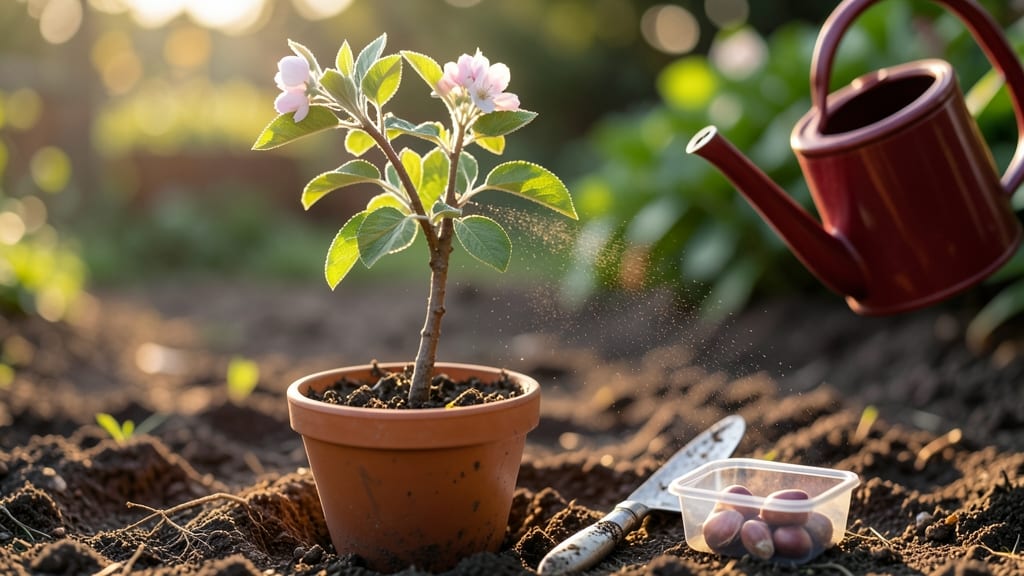
You can plant an apple tree from an apple, but it will almost certainly grow into a wild crabapple tree with small, bitter fruit. For a true apple tree, use fresh organic apples, carefully extract the seed, and follow proper germination techniques in warm, moist conditions for 30-60 days before transplanting.
While the idea of growing your own apple tree from a seed sounds magical, the reality is far more complex. 🌱 Most apple seeds you plant won't produce the same fruit you started with—they'll turn into crabapple trees instead, which have tiny, tart fruit that's not suitable for eating.
The reason is simple: commercial apple trees are grafted hybrids, not true-to-seed varieties. Even if you succeed in germinating the seed, you'll likely end up with a tree that takes 5-10 years to produce fruit, and when it does, it won't taste like the apple you started with.
That said, if you're determined to try, the process begins with selecting a fresh, organic apple—conventional apples often contain growth inhibitors. After carefully extracting the seed, you'll need to stratify it (mimicking winter conditions) for 30-60 days in moist peat moss or a damp paper towel.
Once sprouted, transplant the seedling into well-draining soil and provide consistent moisture. Patience is key, as young seedlings are delicate and require protection from harsh weather.
💡 In This Article
- Why Apple Seeds Rarely Grow Into Fruit Trees
- Step-by-Step Guide to Germinating Apple Seeds
Why apple seeds rarely grow into fruit trees
Most apple seeds you plant won't produce the familiar sweet fruit because commercial apple trees are grafted hybrids, not true-to-seed varieties.
When you eat an apple from the grocery store, you're consuming fruit from a tree that was carefully bred and propagated through grafting—where a desirable branch is attached to a rootstock. This ensures the tree produces identical fruit to its parent.
The seeds inside these apples come from cross-pollination between different apple varieties, resulting in genetic chaos.
The seeds you extract grow into crabapple trees, which are wild relatives of cultivated apples. These trees produce small, tart, and often inedible fruit—think the size of a marble with a bitter, astringent taste.
The reason lies in genetics: apple trees are polyploid (they have multiple sets of chromosomes), making them sterile when grown from seed. Even if the seed germinates, the resulting tree will be genetically distinct from the parent apple, with unpredictable traits. 🌳
Even if you somehow end up with a tree that produces edible fruit, it will take 5-10 years to bear fruit—far longer than the 3-5 years it takes for a grafted tree. The fruit itself will likely be smaller, less flavorful, and inconsistent in quality.
This is why commercial orchards rely on grafting: it guarantees fruit that matches the parent tree's characteristics, including size, sweetness, and texture. The seed-to-tree process is more of a scientific experiment than a reliable method for growing apples.
There’s also the challenge of cross-pollination. Apple trees are often self-incompatible, meaning they need another apple tree nearby to produce fruit. A crabapple tree might not even pollinate successfully with other apple varieties, leaving you with no fruit at all.
This is why orchards plant multiple compatible varieties close together—something you can’t control when growing from seed. 🍎
If you're determined to grow an apple tree from seed, you’ll need to accept that the result will be a wild crabapple, not the sweet, juicy fruit you started with.
The only way to guarantee a true apple tree is through grafting, where a scion (a small shoot from the desired apple variety) is attached to a rootstock.
This method ensures the tree will produce fruit identical to its parent, but it requires skill and patience—something seed germination simply can’t match.