
Pruning
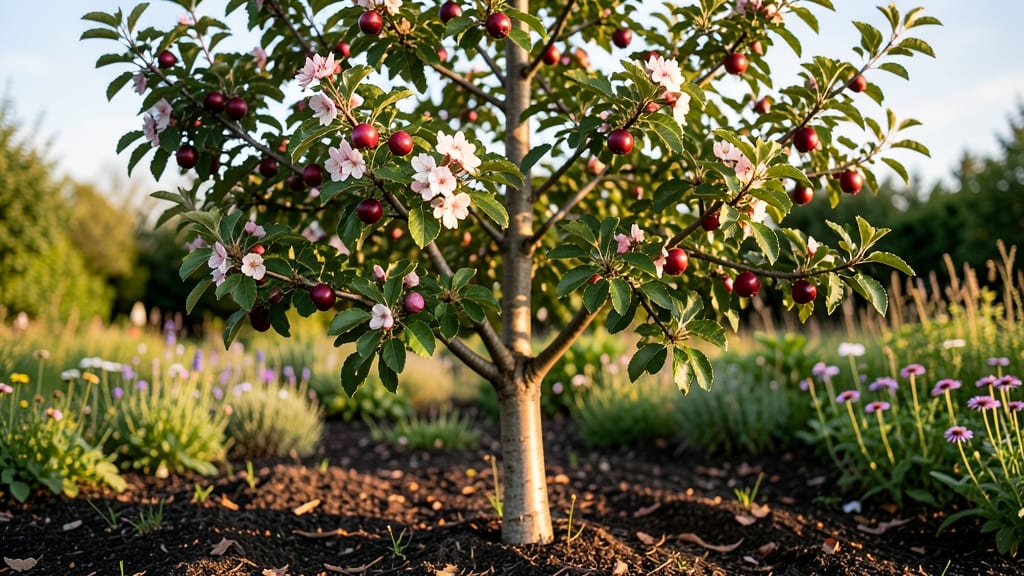
Michigan's crabapple trees thrive when you prune them right—stronger branches and more fruit start with the right cuts at the right time. ✂️ I’ve spent years watching my crabapple struggle through Michigan winters, only to explode with blossoms and fruit when I finally mastered pruning. The key?
Timing, technique, and knowing which branches to keep (and which to cut). Spring is the best time to prune, right after the frost but before new growth starts. Remove any dead, crossing, or weak branches first—they’re just stealing energy from your tree’s future bounty.
Michigan’s unpredictable weather means you’ll also want to check for storm damage in early spring, as winter winds can leave branches vulnerable. By summer, your tree will reward you with vibrant green leaves and clusters of tiny white blossoms that’ll turn into fruit by fall.
The right pruning opens the canopy to sunlight, prevents disease, and keeps the tree’s shape balanced even through Michigan’s heavy snow loads. This works for any crabapple variety—from the classic ‘Dolgo’ to the disease-resistant ‘Adams’.
Just remember: prune when the tree is dormant, and you’ll set it up for years of healthy growth and Michigan-sized harvests.
📚 In This Guide
- What you need
- Instructions
- Tips and common mistakes
- Wrapping up and next steps
What you need
- ● Pruning shears: Bypass pruners (for cuts up to ½ inch in diameter)
- ● Lopping shears: For thicker branches (½ to 1½ inches in diameter)
- ● Pruning saw: For branches thicker than 1½ inches (with a curved blade for smooth cuts)
- ● Gloves: Heavy-duty gardening gloves (to protect from thorns and rough bark)
- ● Disinfectant: 70% isopropyl alcohol or a 10% bleach solution (to sterilize tools between cuts)
- ○ Tree wound dressing (optional but recommended): Pruning sealant or beeswax-based product (for larger cuts)
- ○ Extension pole: For hard-to-reach branches (optional but helpful for taller trees)
- ● Safety gear: Safety glasses (to protect from debris) and long sleeves/pants
- ● Ladder: Sturdy, extendable ladder (if your tree is over 8 feet tall)
- ● Marking twine or flags: To tag branches for removal (useful for complex pruning plans)
- ● Sharpie or tape: For labeling branches if you’re pruning in stages
- ● Trash bags or bucket: For collecting debris (especially if your tree is diseased)
Step-by-step pruning guide for Michigan crabapple trees
Michigan’s climate demands smart pruning to protect your crabapple tree from disease and frost damage.
🌿 Step 1: Time Your Pruning for Michigan’s Climate
Prune your crabapple tree during its dormant season—late winter or early spring, before buds swell but after the worst cold snaps. Michigan’s unpredictable freezes mean avoiding late winter pruning can stress the tree. I wait until February or March when temperatures stay above 20°F for several days.
Never prune in fall—this invites silver leaf fungus, a common Michigan problem. If you must remove dead branches, do it immediately after leaf drop in October, but avoid heavy pruning. Focus on light shaping during dormancy to encourage strong spring growth.
✂️ Step 2: Remove Dead, Diseased, or Weak Branches First
Start by cutting out dead, broken, or diseased branches—these are your tree’s biggest energy drains. Use clean, sharp pruners to make cuts at a 45-degree angle, about ¼ inch above a healthy bud facing outward. Michigan’s humid summers mean open wounds heal slower, so keep cuts small and precise.
Look for branches with dark, cracked bark or mushroom-like growths—these are clear signs of disease. If a branch is thinner than a pencil at the base, it’s likely weak and should go. Remove these first before tackling structural pruning. I like to bag and dispose of diseased branches immediately to prevent spreading spores.
☀️ Step 3: Thin the Canopy for Better Airflow and Light
Michigan’s dense summers mean poor airflow invites pests and diseases. Aim to remove 10-20% of the canopy to improve light penetration and air circulation. Focus on branches growing straight upward or rubbing against others—these compete for resources and create weak points.
Cut back to a side bud or lateral branch to encourage outward growth. Avoid leaving stubs—always make clean cuts just outside the branch collar. If a branch is too thick for hand pruners, use a pruning saw and seal the wound with pruning sealant (optional but helpful in Michigan’s wet climate).
🌱 Step 4: Shape the Tree for Strong Structure
Step back and assess the tree’s shape—your goal is a balanced, open center with branches spaced 8-12 inches apart. Michigan’s heavy snow can break weak limbs, so prioritize strong crotches (where branches meet the trunk). If a branch grows at a narrow angle (less than 45°), it’s at risk and should be removed.
For young trees, encourage a rounded, vase-like shape by pruning inward-growing branches. For mature trees, reduce the height by cutting back the uppermost branches first. Never remove more than 25% of the canopy in one season—this stresses the tree and invites disease. I mark my cuts with a piece of tape before pruning to visualize the final shape.
⏰ Step 5: Clean Up and Monitor for Recovery
After pruning, sterilize your tools with rubbing alcohol to prevent spreading disease. Rake up and dispose of all debris—this removes hiding spots for pests and fungal spores. Water the base of the tree deeply but not soggy to help it recover, especially if Michigan’s spring drought hits early.
Watch for new growth within 4-6 weeks—this is your sign the tree is healing. If you see yellowing leaves, oozing sap, or excessive wilting, you may have over-pruned. In Michigan’s climate, patience is key—let the tree recover before heavy pruning again next year. I keep a pruning log to track growth and adjust future cuts accordingly.
Tips & tricks for pruning Michigan crabapple trees
Michigan's unique climate turns pruning into an art—here's how to avoid common pitfalls while maximizing your tree's health.
Timing is Everything: The February-March window isn't just about avoiding buds—it's about catching the sweet spot between frost damage and early growth. I check the local weather forecast for three consecutive days above 20°F before starting. This prevents the shock that can occur when temperatures dip again. For northern Michigan, I often wait until late March to be extra safe. Remember, the goal is to prune when the tree is dormant but not when it's still struggling through winter's last gasps.
Disease Prevention Strategy: Michigan's humid summers make wound care critical. After each cut, I immediately apply a thin layer of pruning sealant to wounds larger than a pencil's width. This isn't just about aesthetics—it's about preventing silver leaf fungus from taking hold. I also keep a spray bottle of 70% rubbing alcohol handy to sterilize my tools between cuts on different branches. The extra 30 seconds per cut saves months of potential heartache when your tree develops unsightly (and damaging) fungal growths.
Visualization Technique: Before making any cuts, I step back and mentally trace the tree's future shape. I use a small piece of masking tape to mark where I'll make each cut—this creates a roadmap I can reference while working. For young trees, I imagine a rounded vase shape with branches spaced 10-12 inches apart. For mature trees, I focus on maintaining that open center while reducing height from the top down. This tape method has saved me from over-pruning more times than I can count.
Pro Tips for Crabapple Tree Michigan
- Michigan's unique climate turns pruning into an art—here's how to avoid common pitfalls while maximizing your tree's health.
- Timing is Everything: The February-March window isn't just about avoiding buds—it's about catching the sweet spot between frost damage and early growth.
- Disease Prevention Strategy: Michigan's humid summers make wound care critical.
Frequently asked questions
Got questions about growing and pruning crabapple trees in Michigan?
You’re not alone! Here are some of the most common queries—plus expert answers to help you nurture a thriving tree.
When is the best time to prune a crabapple tree in Michigan?
Prune your crabapple tree during late winter or early spring (February–March) while it’s still dormant but before buds swell. This timing minimizes stress and disease risk. Avoid pruning in fall, as wounds may not heal before winter’s chill. Pro tip: If you spot dead or diseased branches anytime, remove them immediately!
How much can I trim my crabapple tree each year?
Limit pruning to no more than 25% of the tree’s canopy per year to avoid shocking it. Focus on removing:
- Dead, diseased, or crossing branches
- Suckers or water sprouts
- Branches rubbing against each other
Will pruning my crabapple tree increase fruit production?
Yes! Pruning opens the canopy, allowing sunlight to reach inner branches and encouraging more fruit-bearing spurs. However, heavy pruning in one year may reduce fruit the following season. Balance structural pruning (for shape) with fruit-thinning pruning (removing overcrowded branches) for long-term benefits.
My crabapple tree has brown spots or holes—what’s wrong?
Brown spots or holes are often caused by apple scab, cedar-apple rust, or insect damage (like codling moths or borers). Treat fungal issues with copper fungicide in early spring. For pests, use horticultural oil or insecticidal soap. Pro tip: Remove fallen leaves in autumn to reduce overwintering pests!
Are there crabapple tree alternatives that require less maintenance?
If pruning feels overwhelming, consider these low-maintenance Michigan-friendly alternatives:
- Serviceberry (Amelanchier) – Disease-resistant, edible berries, and stunning fall color.
- Hawthorn (Crataegus) – Tolerates poor soil and provides wildlife habitat.
- Dwarf fruit trees (e.g., columnar apple) – Compact size means less pruning.
Wrapping up and next steps
Ready to transform your Michigan crabapple tree into a thriving, fruit-bearing beauty? 🌳 Pruning is your secret weapon—timing, technique, and tools make all the difference. By following the steps in this guide, you’ll encourage stronger branches, healthier growth, and a bountiful harvest of sweet (or tart!) apples.
Now that you’re armed with knowledge, roll up your sleeves and get pruning! Start with a single branch this season, and soon, your tree will thank you with vibrant blooms and delicious fruit. Happy gardening! 🌟