
Diseases
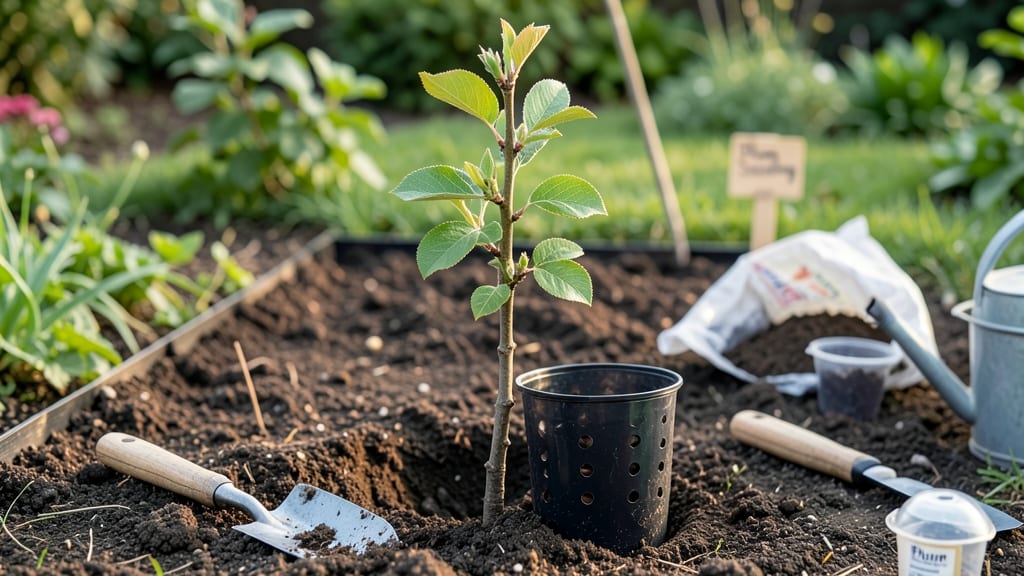
You can grow a plum tree from a plum seed, but the results are unpredictable—fruit may be smaller, tart, and genetically different from the parent plant. Seedlings take 5-7 years to bear fruit and often lack disease resistance. For reliable, consistent varieties, grafting onto a compatible rootstock is the professional choice.
While seed-grown plum trees might sprout successfully, their fruit quality is rarely what you'd expect from store-bought varieties. 🌱 The genetic lottery of seed propagation means your homegrown plum could end up tasting completely different—sometimes even inedible—compared to the parent tree.
Many gardeners attempt this method as a learning experience, but commercial growers avoid it entirely due to these inconsistencies. If you're serious about plum cultivation, grafting ensures you get the exact variety you want, with predictable flavor and size.
Another key factor is disease resistance. Seedlings inherit random genetic traits, which often means weaker defenses against common plum diseases like brown rot or powdery mildew. 🌿 This makes them vulnerable in backyard gardens where pests and pathogens thrive.
For a more resilient tree, always choose grafted nursery stock from reputable sources.
💡 In This Article
- Why Seed-Grown Plum Trees Rarely Match Parent Varieties
- Step-by-Step Guide to Germinating Plum Seeds Indoors
Why seed-grown plum trees rarely match parent varieties
Plum trees grown from seeds are essentially playing genetic roulette. Most commercial plum varieties are hybrids created through careful cross-pollination to combine desirable traits like sweetness, size, and disease resistance.
When you plant a seed, you're starting with a heterozygous (mixed) genetic code that can produce offspring with completely different characteristics. For example, a seed from a juicy Santa Rosa plum might grow into a tree bearing tiny, tart fruit with thick pits—nothing like the parent.
The unpredictability comes from how plum trees reproduce sexually.
Each seed contains a random mix of genes from two parent trees, which means traits like fruit color, ripening time, and even tree growth habit can vary wildly. 🌱 In nature, this diversity helps species survive, but for gardeners, it means your 5-year-old seedling might produce fruit that's inedible or completely different from what you expected.
Commercial growers avoid this by using grafting, a technique that ensures the scion (fruit-bearing part) is genetically identical to the desired variety.
Cross-pollination adds another layer of complexity. Plum trees are often self-incompatible, meaning they need another variety nearby to produce fruit. Even if your seedling grows well, it might fail to set fruit because no compatible pollinator exists in your garden.
This is why commercial orchards plant multiple varieties in close proximity—ensuring reliable fruit production. Without this setup, your seed-grown tree could end up flowering beautifully but producing almost no fruit, leaving you disappointed after years of waiting.
Disease resistance is another critical factor that seed propagation ignores. Commercial plum varieties are bred to resist common diseases like brown rot (caused by the fungus Monilinia fructicola) or powdery mildew. Seedlings inherit random disease susceptibility traits, making them far more vulnerable.
For instance, a seed from a disease-resistant Larry Ann plum might grow into a tree that succumbs to fungal infections within its first few years. This unpredictability is why nurseries sell grafted trees with known resistance profiles.
Consider the case of a Methley plum seedling. The parent tree produces large, sweet fruit perfect for fresh eating, but a seed-grown offspring might develop into a tree with small, mealy fruit that's only suitable for cooking.
The genetic lottery means you're essentially betting on whether your tree will be a culinary success or a backyard curiosity. 🍑 For consistent results, grafting ensures the scion (top part of the tree) is exactly what you want, while the rootstock (bottom part) provides stability and disease resistance.
Even if your seedling does produce fruit, it will likely take 5-7 years to bear any significant harvest—far longer than grafted trees, which can fruit in as little as 3 years.
This delayed gratification, combined with the genetic uncertainty, explains why seed propagation is rarely used in commercial plum cultivation. The risks simply outweigh the rewards for most gardeners.