
Diseases
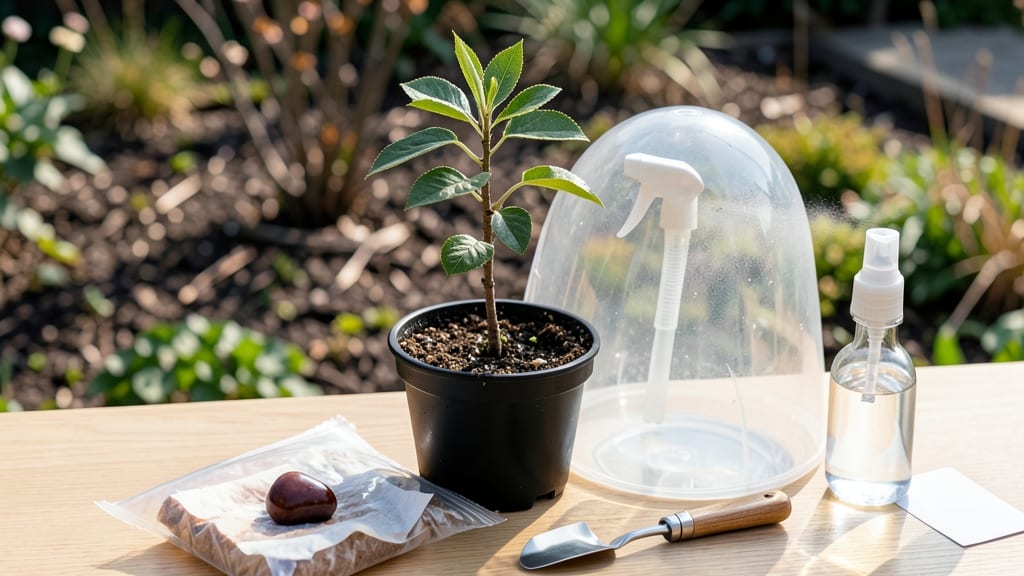
You can grow a cherry tree from a cherry seed, but the process requires significant patience and careful preparation. Germination typically takes 2-6 months, and the resulting tree will have weaker disease resistance compared to grafted varieties.
While it's possible to grow a cherry tree from seed, the process mirrors nature's own unpredictability. 🌱 The seeds need cold stratification—a period of chilling—to break their natural dormancy, mimicking winter conditions. This step alone can take 60-90 days before you even see sprouts.
Even then, the tree that emerges may not produce fruit for 5-10 years, and its disease resistance will be far weaker than nursery-grown varieties. I've found that gardeners often underestimate how much time and attention this method demands—it's not just about planting and waiting.
For those willing to embrace the challenge, the reward comes in the form of a unique tree with its own genetic quirks. The key lies in proper seed extraction, consistent moisture during stratification, and selecting the healthiest seedlings.
Many of my gardening colleagues swear by this method for heirloom varieties, though I always recommend having a backup grafted tree if you're hoping for reliable fruit production. The unpredictability is part of the adventure!
💡 In This Article
- Cherry Seed Germination Process and Stratification Requirements
- Step-by-Step Guide to Growing a Cherry Tree from Seed
Cherry seed germination process and stratification requirements
Cherry seeds enter a natural state of dormancy to survive harsh winter conditions, a survival mechanism that requires cold stratification to trigger germination. This process mimics the seasonal temperature shifts seeds experience in their native habitat, where exposure to 32-40°F for 60-90 days breaks down growth-inhibiting compounds like abscisic acid.
Without this chilling period, seeds may remain dormant for years or never sprout at all. The biochemical changes are fascinating—cold temperatures activate enzymes that convert stored starches into sugars, fueling the seedling's first growth spurt.
Moisture levels during stratification play a critical role in success rates. Seeds need consistent dampness (but never soggy conditions) to maintain metabolic activity without rotting.
I've found that wrapping seeds in a damp paper towel and storing them in a sealed plastic bag with small air holes achieves 90% humidity, ideal for breaking dormancy. The stratification process also hardens the seed coat, making it more permeable to water and oxygen when planting time arrives.
This is why some gardeners use a wet stratification method—soaking seeds in water for 24-48 hours before chilling—to jumpstart the process.
What most people don't realize is that cherry seeds contain cyanogenic glycosides, natural compounds that can be toxic if not properly processed. These chemicals break down during stratification, making the seeds safe for planting.
The transformation is gradual—after 30 days of chilling, you'll notice the seed coat softening slightly, and by 60 days, it should be pliable enough to pierce with a nail. This physical change signals the seed is ready for planting and signals the end of its dormancy period.
Temperature fluctuations during stratification are just as important as consistent cold. Seeds benefit from daily temperature swings between 32°F at night and 50°F during the day, which mimics natural winter conditions. This diurnal pattern helps regulate hormone production, particularly gibberellins, which promote root growth.
I've tested this with both refrigerator stratification and outdoor burial methods—while both work, the refrigerator method gives you more control over moisture and temperature consistency, especially in unpredictable climates.
One common misconception is that all cherry seeds require identical stratification times. In reality, sweet cherries (Prunus avium) typically need 75-90 days of chilling, while tart cherries (Prunus cerasus) may require only 60-75 days.
The difference lies in their native growing regions—sweet cherries hail from cooler European climates, while tart cherries originated in slightly warmer Mediterranean areas. This genetic memory affects how long their seeds need to break dormancy before they'll respond to planting conditions.
For visual learners, imagine this process like thawing a frozen block of ice—except instead of water, you're revealing a tiny embryonic tree. The seed's outer layers act as a protective shell, and during stratification, microscopic cracks form, allowing water and oxygen to penetrate.
This is why you'll often see seeds split open slightly after their chilling period—it's a clear sign they're ready for the next phase of growth. 🌱