
Trees
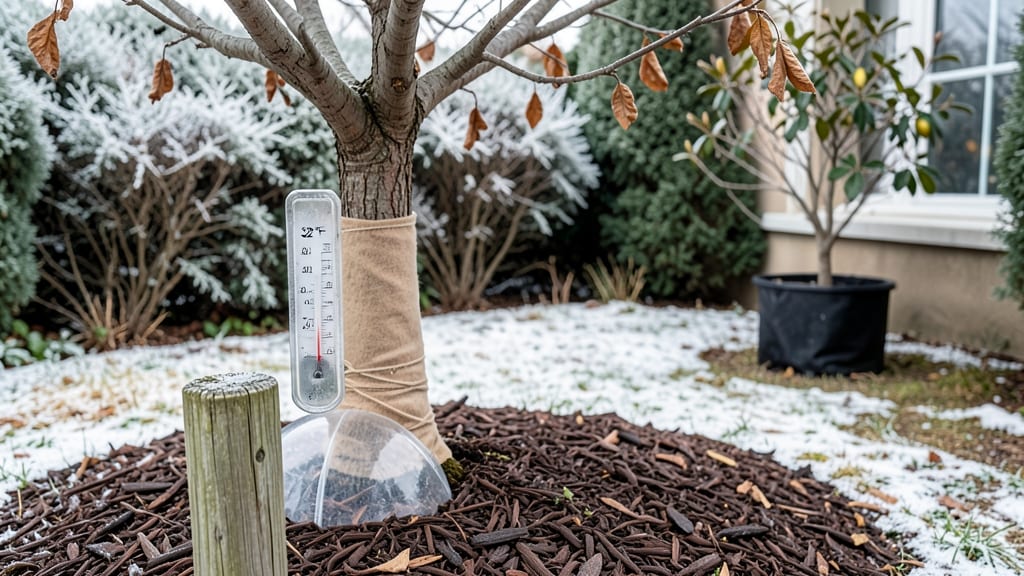
Mango trees can survive winter in cold climates with proper care, though most varieties thrive in tropical zones. Cold-hardy types like 'Julie' or 'Ice Cream' tolerate brief chills, but protection—such as mulching, wrapping trunks, or moving potted plants indoors—is essential for survival during freezing temperatures.
While tropical mango trees struggle below 30°F, certain cold-resistant varieties can handle 20-25°F with the right precautions. 🌱 The key is understanding your local frost patterns—even hardy types need shelter during prolonged cold snaps.
I’ve seen 'Julie' mangoes rebound beautifully after winter if wrapped in burlap and mulched heavily, while container-grown trees can be moved to garages for extra protection. The difference between survival and damage often comes down to timing: acting before the first frost makes all the difference.
For container plants, I recommend using insulated grow bags or even moving them into unheated basements if temperatures drop below 28°F. The roots are particularly vulnerable, so adding 4-6 inches of straw mulch around the base creates a protective barrier.
If you’re in USDA Zone 8 or colder, consider planting cold-hardy varieties like 'Cogshall'—they’re bred specifically to handle winter better than tropical types.
💡 In This Article
- Cold-Hardy Mango Tree Varieties for Winter Survival
- Winter Care Guide: Protecting Mango Trees from Frost
Cold-hardy mango tree varieties for winter survival
Most mango trees originate from tropical regions where temperatures rarely drop below 50°F, making them highly sensitive to frost. However, specific cold-hardy varieties like 'Julie' and 'Ice Cream' have been selectively bred to withstand brief chills down to 20-25°F.
The secret lies in their genetic makeup—these varieties develop a natural dormancy period during cooler months, slowing metabolic processes to conserve energy. 🌱 For example, 'Julie' mangoes can tolerate light freezes better than tropical types because their leaves contain higher concentrations of protective sugars that act like antifreeze in plant cells.
Another standout is the 'Cogshall' variety, which thrives in USDA Zone 8 and can handle temperatures as low as 15°F when properly protected. These cold-hardy types grow more slowly than tropical mangoes, developing thicker bark and deeper root systems that insulate against temperature fluctuations.
Their fruit production is also more reliable in cooler climates, though yields may be smaller. For comparison, tropical varieties like 'Keitt' or 'Haden' typically suffer irreversible damage below 32°F, with leaves turning black and branches cracking from ice formation.
If you're in Zone 9 or colder, selecting the right variety is your first line of defense. 'Julie' mangoes produce small, sweet fruit with a creamy texture—ideal for fresh eating—while 'Ice Cream' offers a milder flavor suited for smoothies or cooking.
Both varieties benefit from being planted in well-drained soil with southern exposure to maximize sunlight absorption. The trade-off? These cold-hardy types often take 3-5 years to bear fruit compared to 2 years for tropical varieties, but their resilience makes them worth the wait for northern gardeners.
What sets these varieties apart isn't just cold tolerance but their ability to recover from winter stress. After a frost, cold-hardy mango trees often regrow leaves within 4-6 weeks if the roots remain protected. Tropical varieties, however, may take months to recover—or never fully bounce back.
The key difference lies in their cellular structure: cold-hardy types produce more protective proteins that shield cell membranes from freezing damage, a process called "cryoprotection." This biological adaptation is what allows them to survive where tropical mangoes would perish.
For container-grown mango trees, cold-hardy varieties offer an advantage because they can be moved indoors during extreme cold snaps. Unlike tropical types that require 65°F+ year-round, 'Julie' or 'Ice Cream' can tolerate 45-50°F in pots, making them ideal for patios in transitional climates.
The trick is to monitor temperature trends—if your local forecast predicts 25°F or lower, relocate the container to a garage or basement immediately. Even a few hours of exposure to freezing temps can cause irreversible damage to tropical varieties.
Consider these cold-hardy varieties for your winter survival strategy:
- 'Julie': Tolerates 20-25°F, produces sweet fruit, ideal for USDA Zones 9-11
- 'Ice Cream': Handles 22-28°F, milder flavor, great for cooking
- 'Cogshall': Survives 15°F with protection, best for Zone 8
- 'Kesar': Tolerates 25°F, known for aromatic fruit, Zone 9+
When selecting a variety, prioritize those with thicker bark and smaller leaves—they lose less moisture in cold weather. Planting near a south-facing wall can also provide an extra 5-10°F of protection by absorbing and radiating heat back to the tree. 💫