
Pruning
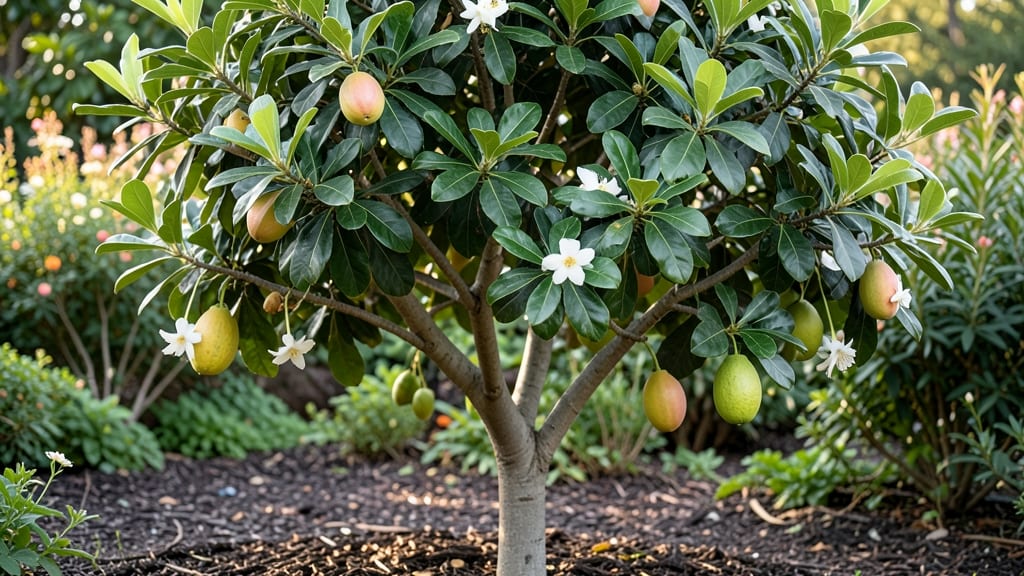
Growing guava trees in Arizona thrives with heat-tolerant varieties like Mexican Cream or Ruby Supreme, planted in well-draining soil with full sun exposure. Prune aggressively after harvest to shape the tree and improve airflow, while avoiding winter cuts to protect cold-sensitive branches.
For Arizona's intense heat and low humidity, these varieties stand out because they're bred to handle extreme temperatures without wilting. 🌵 The Mexican Cream produces large, sweet fruits with minimal care, while Ruby Supreme offers a deeper flavor profile and better disease resistance.
Unlike tropical guavas, these types have adapted to Arizona's climate by developing thicker skins and deeper root systems, making them far more drought-tolerant. The key to their success lies in proper pruning—cutting back immediately after harvest not only shapes the tree but also prevents fungal growth by improving air circulation.
What many Arizona growers don't realize is that winter pruning can actually harm these trees. The branches are more vulnerable to cold damage when cut during dormancy, so waiting until spring—after the last frost—gives them time to recover.
I've seen firsthand how proper timing and technique can turn a struggling guava tree into a productive one within just a few seasons. The secret is patience combined with strategic pruning.
💡 In This Article
- Best Heat-Resistant Guava Varieties for Arizona Climates
- Step-by-Step Guava Tree Pruning Guide for Arizona Growers
Step-by-step guava tree pruning guide for Arizona growers
Arizona's intense heat and occasional winter freezes demand a precise pruning approach for guava trees. The best time to prune is immediately after harvest, typically between late spring and early summer, when the tree has finished fruiting.
This timing allows you to shape the tree while it's actively growing, encouraging new branches that will bear fruit next season. Avoid pruning during winter months—cold-sensitive branches are more vulnerable to damage when cut, and the tree's energy is focused on survival rather than recovery.
Start by removing any dead, diseased, or crossing branches using clean, sharp pruning shears. These branches act as entry points for pests and fungi, which thrive in Arizona's dry heat but can still cause problems.
Next, focus on thinning out the canopy to improve airflow—aim for a 30-40% reduction in density. This isn't just about aesthetics; better airflow prevents fungal infections like anthracnose, which can devastate guava trees in humid periods.
The goal is to create an open, vase-like shape that allows sunlight to penetrate to the inner branches, ensuring even fruit production.
Thorns are a common challenge with guava trees, but they serve a purpose—they protect the tree from wildlife. When pruning, wear thick gloves and use long-handled shears to avoid painful encounters. Remove thorns only if they're growing inward or obstructing sunlight to other branches.
After pruning, seal larger cuts with pruning sealant to prevent sap loss and infection. This step is crucial in Arizona's dry climate, where exposed wood can dry out quickly and become brittle.
Winter presents unique challenges for Arizona guava trees. While you might be tempted to prune during dormancy, resist the urge—cold snaps can drop temperatures below 28°F, which is lethal to guava branches.
Instead, wait until late February or early March, after the last frost, to do any light shaping. Focus on removing only the most damaged wood and opening the canopy slightly.
If you anticipate a hard freeze, protect young trees with frost cloth or a windbreak, which can raise temperatures by 5-10°F.
One advanced technique Arizona growers swear by is "heading back"—cutting the tips of branches to encourage bushier growth. This is especially useful for Ruby Supreme varieties, which tend to grow taller.
Make these cuts just above a leaf node or bud, and angle the cut slightly downward to prevent water from pooling. After pruning, monitor the tree closely for signs of stress, like yellowing leaves or wilting.
In Arizona's climate, guava trees often bounce back quickly, but providing a slow-release fertilizer after pruning can give them the extra nutrients they need to recover.
Remember, guava trees in Arizona reward patience and precision. A well-pruned tree can produce fruit for 20+ years, but it takes consistent care. The key is balancing aggressive shaping with gentle handling—too much pruning weakens the tree, while too little leads to overcrowding and poor fruit quality.
With the right approach, your guava tree will thrive in Arizona's challenging climate, bearing sweet, fragrant fruit year after year. 🌟