
Pruning
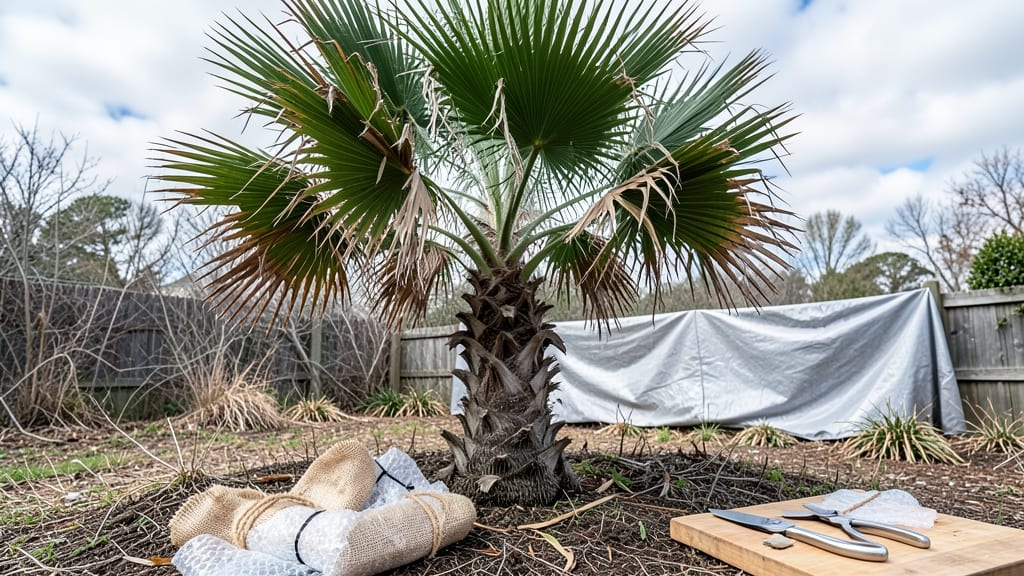
Your palm tree’s trunk is its lifeline—and wrapping it before the first frost is the difference between a thriving tropical beauty and a sad, split silhouette. 🌿 I’ve watched my own palms survive winters that would have killed them without this simple trick, and it only takes 30 minutes and a few dollars in supplies.
The key is timing and materials: burlap or frost cloth (not plastic—it traps moisture), a sturdy rope or twine, and a dry, windless day before temps dip below 30°F.
Wrap snugly from the base up to 6 feet, leaving room for expansion. Too tight, and you’ll strangle the trunk; too loose, and the wind will rip it away.
By spring, you’ll peel back the wrap to find smooth, unscathed bark and new fronds unfurling like they’ve never faced winter. The protection doesn’t just save your tree—it gives you that satisfying sense of control over nature’s unpredictability.
Works for potted palms too, just scale the wrap to the trunk size. Mild winters? Skip the wrap, but keep an eye on forecasts—one unexpected freeze can undo years of growth. Let’s get your palms ready!
📚 In This Guide
- What you need
- Instructions
- Tips and common mistakes
- Wrapping up and next steps
What you need
- ● Burlap or landscape fabric: 10–20 feet (depending on trunk height and girth). Choose undyed, breathable fabric to avoid moisture buildup.
- ● Staple gun + heavy-duty staples: A 1/4-inch or 3/8-inch staple gun with 18–20-gauge staples for secure wrapping.
- ● Measuring tape: To ensure even coverage around the trunk.
- ● Pruners or sharp knife: For trimming fronds or debris before wrapping.
- ● Gloves (heavy-duty): To protect your hands from rough bark and staples.
- ● Ladder (if needed): For taller palms—ensure it’s stable and rated for your height.
- ● Plastic tree wrap or bubble wrap: Layer under burlap for extra insulation (remove in spring to avoid mold).
- ● Tree-specific frost cloth: Lighter than burlap but still breathable.
- ● Twine or zip ties: For securing loose ends if stapling isn’t ideal.
- ● Waterproof sealant (e.g., tree wound dressing): Apply to small cracks before wrapping to prevent moisture damage.
Step-by-Step instructions for wrapping a palm tree for winter
Here's the straightforward method I use every year to keep my palms healthy through frost.
🌿 Step 1: Choose the Right Wrapping Materials
Start with a breathable fabric like burlap, landscape fabric, or even old towels—nothing plastic. I cut strips about 3 feet wide and long enough to wrap the trunk twice. Avoid thick materials that trap moisture and rot the trunk. You'll also need twine or zip ties to secure everything without cutting into the trunk.
Check the trunk for any cracks or damage before wrapping. If you find any, clean them out with a small knife and let them dry completely. This prevents water from getting trapped and causing further harm when you add the protective layer. I like to do this in late fall, just before the first frost warning.
✂️ Step 2: Wrap the Trunk in Layers
Begin wrapping the trunk from the base upward, overlapping each layer by 6-8 inches to ensure full coverage. The first layer should be snug but not tight—you want to protect the trunk without restricting growth. Use your twine or zip ties every 12-18 inches to keep the fabric in place, but don’t pull too tight or you’ll damage the bark.
Add a second layer of fabric for extra insulation, especially if your winters are harsh. This double layer helps trap heat and shield the trunk from sudden temperature drops. Leave the top of the trunk uncovered—palms naturally shed old fronds, and you don’t want to trap moisture there. Once wrapped, give the trunk a gentle shake to make sure everything is secure and no gaps exist.
🪴 Step 3: Add Insulation and Secure for Winter
For added protection, especially in colder climates, stuff the wrapped trunk with straw or dry leaves to create an insulating barrier. This helps regulate temperature and prevents frost from penetrating the fabric. I like to use straw because it’s lightweight and won’t compact over time. Avoid using wet materials—moisture is the enemy of winter protection.
Finally, cover the entire wrapped trunk with a clear plastic sheet or frost cloth, securing it loosely with more twine or clips. This creates a mini greenhouse effect, trapping warmth around the trunk. Check your work after the first frost to ensure the plastic hasn’t torn or shifted. If it has, adjust it immediately to maintain protection. Remove the wrapping in early spring once the threat of frost has passed.
⏰ Step 4: Monitor and Adjust Through Winter
Keep an eye on your palm throughout the winter. If you notice the fabric shifting or the plastic sheet collecting snow, remove the snow immediately to prevent weight damage. I check my wrapped palms every 2-3 weeks during the coldest months to ensure everything stays in place. If the twine starts to loosen, tighten it gently—just enough to hold the fabric secure without cutting into the trunk.
In early spring, when nighttime temperatures consistently stay above 40°F, it’s time to unwind the palm. Remove the plastic first, then carefully unwrap the fabric layers. Inspect the trunk for any signs of damage or rot. If you find any issues, clean them up before the growing season begins. This gives your palm a fresh start and ensures it recovers quickly from winter protection.
Tips & tricks for frost-proof palm tree protection
Here's what I've learned after years of saving palms from winter damage—these details make all the difference.
Material Selection: I always double-check that my fabric is truly breathable—no plastic or heavy materials. The 3-foot width mentioned in Step 1 ensures full coverage without gaps. For extra durability, I've started using old towels as an inner layer before adding burlap, which adds an extra barrier against cold winds. This two-layer approach works especially well for young palms with thinner trunks.
Layering Technique: When overlapping those 6-8 inches in Step 2, I make sure the edges tuck neatly under the next layer—this prevents wind from slipping fabric apart. For trunks wider than 6 inches, I add a third layer of fabric. The key is maintaining that snug-but-not-tight tension; you should be able to fit about a quarter-inch between the fabric and trunk.
Insulation Strategy: The straw or dry leaves in Step 3 are crucial for temperature regulation. I stuff the fabric layers until they're about 80% full—too much packing can actually trap moisture. For particularly cold winters, I add a layer of bubble wrap inside the fabric before the straw, which creates an extra insulating air pocket without adding bulk.
Springtime Removal: The 40°F threshold in Step 4 is your cue, but I've found that waiting until daytime temps consistently stay above 45°F gives palms a better shock. When unwrapping, I always remove the plastic first to let any trapped moisture evaporate before handling the fabric layers. This prevents fungal issues that can develop from sudden temperature changes.
Pro Tips for How Do You Wrap A Palm Tree For Winter
- Here's what I've learned after years of saving palms from winter damage—these details make all the difference.
- Material Selection: I always double-check that my fabric is truly breathable—no plastic or heavy materials.
- Layering Technique: When overlapping those 6-8 inches in Step 2, I make sure the edges tuck neatly under the next layer—this prevents wind from slipping fabric apart.
Frequently asked questions
Got questions about wrapping your palm tree for winter? You’re not alone! Here are some of the most common concerns—and straightforward answers—to help you protect your tropical beauty without the guesswork.
When is the best time to wrap a palm tree for winter?
Wrap your palm tree before the first hard frost hits—typically in late fall (October–November in most U.S. zones). If you’re in a mild climate (zones 9–11), wait until temperatures dip below 30°F (-1°C). Unwrap it in early spring once frost risk passes to avoid moisture buildup and rot.
What if my palm tree is already showing frost damage?
If you spot brown fronds or blackened tips, act fast! Prune dead fronds after wrapping to avoid stressing the tree further. For severe damage, focus on protecting the trunk and roots with extra insulation (like burlap or a frost cloth). Unfortunately, some palms may not recover—so prevention is key!
Can I use regular plastic wrap or old blankets instead of burlap?
Nope! Plastic traps moisture and can cause root rot or fungal issues. Burlap or frost cloth breathes while insulating—ideal for palm trunks. If you’re in a pinch, use unbleached muslin or a specialized tree wrap. Avoid anything synthetic or treated with chemicals.
How tight should the wrap be around the trunk?
The wrap should fit snugly but not squeeze the trunk—think “gift wrap” tightness. Leave a 1–2 inch gap at the base to prevent moisture buildup. Over-tightening can restrict growth or even girdle the tree. Check periodically to adjust as the trunk expands or shrinks with temperature changes.
What if my palm tree is potted? Does it need wrapping too?
Potted palms absolutely need protection! Move them to a sheltered spot (like a garage or under an eave) and wrap the trunk as usual. Add extra insulation around the pot with mulch or bubble wrap to shield roots from freezing. Avoid wrapping the pot itself—focus on the trunk and exposed areas.
Troubleshooting: Why is my wrapped palm tree still getting damaged?
Check these common culprits:
- Poor insulation: Add more layers (e.g., straw or foam board) if your climate gets below 20°F (-6°C).
- Moisture buildup: Rewrap if the burlap stays damp—use a waterproof underlayer if needed.
- Root exposure: Mulch the base with 4–6 inches of straw or leaves to protect roots.
- Late wrapping: If frost hits before you act, cover the tree with a frost blanket temporarily.
Wrapping up and next steps
Wrapping your palm tree for winter is a simple yet effective way to protect it from frost and ensure it thrives for years to come! 🌿 With the right materials—like burlap, frost cloth, or tree wrap—and a few easy steps, you’re giving your palm the best chance to weather the cold.
Don’t let winter catch you off guard; take action now to safeguard your tropical beauty.
Ready to give your palm tree some extra love? Start by checking your local frost dates and mark your calendar—early preparation is key! Whether you’re a seasoned gardener or a newbie, every little effort makes a big difference.
Happy wrapping, and here’s to a resilient, frost-free future for your palm! ✨