
Pruning
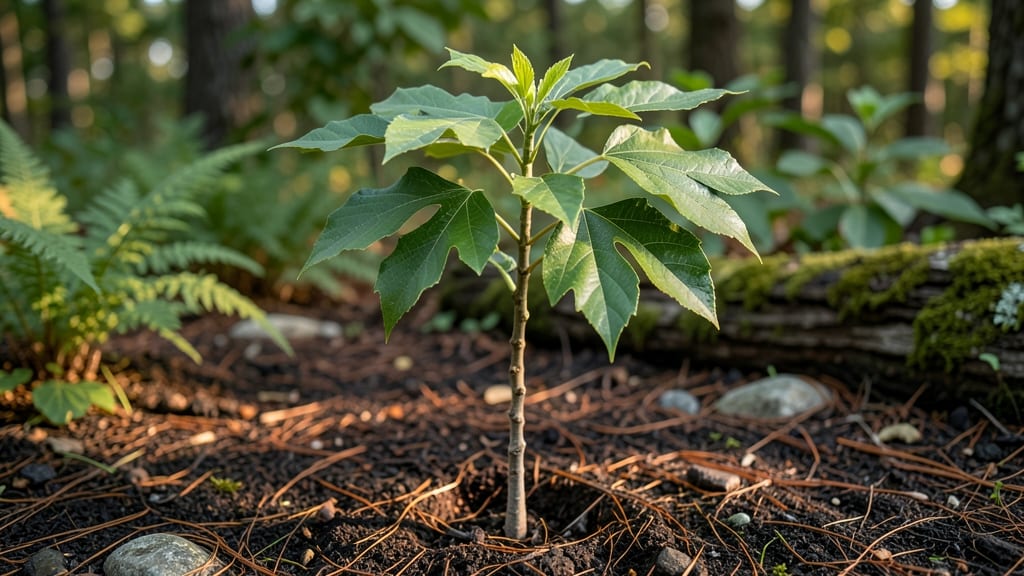
Planting a buckeye tree sapling gives you a cold-hardy giant in just three years. 🌱 The key to rapid growth starts with the right spot—full sun and well-draining soil where roots can spread freely.
My first sapling shot up 5 feet its second year after I avoided the common mistake of planting too deep. You’ll need basic tools: a shovel, mulch, and patience for the first year when roots establish.
Water deeply once a week (more in summer), and avoid heavy foot traffic near the young trunk. The tree’s glossy leaves appear early, signaling healthy growth—just watch for deer nibbling on tender new shoots. By year three, you’ll see sturdy branches forming, ready for light pruning to shape the canopy.
The tree’s iconic buckeye pods won’t appear until maturity, but the sturdy wood and rapid height gain make it worth the wait. Even in tough climates, this sapling thrives with minimal fuss. For long-term success, mark the planting location permanently—buckeyes resent disturbance.
In colder zones, mulch heavily in winter to protect shallow roots. The payoff? A shade tree that outlasts most ornamentals while staying virtually pest-free.
📚 In This Guide
- What you need
- Instructions
- Tips and common mistakes
- Wrapping up and next steps
What you need
- ● Buckeye tree sapling: 1-2 saplings (1-2 ft tall, bare-root or potted) from a trusted nursery. Opt for Aesculus glabra (Ohio buckeye) for cold hardiness.
- ● Pruning shears: 1 pair (bypass pruners, sharp and sterilized, with a 10-12 inch blade for precision cuts).
- ● Hand pruners: 1 pair (for smaller branches, 5-7 inch blade).
- ● Loppers: 1 pair (for thicker branches, 18-24 inch reach).
- ● Gloves: 1 pair (heavy-duty, gardening or pruning gloves with reinforced palms).
- ● Disinfectant: 1 bottle (70% isopropyl alcohol or pruning sealant to prevent disease spread).
- ● Mulch: 2-3 bags (organic mulch like wood chips or shredded bark, 2-3 inches deep).
- ● Watering can or hose: 1 (with a gentle spray nozzle for saplings).
- ○ Staking kit (optional but helpful): 2-3 stakes (4-5 ft tall) + soft tree ties to support young saplings.
- ● Soil test kit: 1 (to check pH and nutrient levels; buckeyes prefer slightly acidic to neutral soil (pH 6.0-7.0)).
- ● Fertilizer: 1 bag (slow-release, balanced 10-10-10 or organic compost).
- ● Tree guard or protective wrap: 1 roll (to shield saplings from deer, rabbits, or harsh winter winds).
- ● Pruning saw: 1 (for thick branches >1 inch in diameter).
- ● Wheelbarrow: 1 (for transporting mulch, soil, or tools).
Step-by-Step guide to growing a cold-hardy buckeye sapling
Here’s how I’ve grown sturdy buckeye saplings that thrive in cold climates—no special tricks, just smart timing and care.
🌱 Step 1: Select and Prepare the Right Sapling
Choose a 1- to 2-year-old buckeye sapling with a straight trunk and healthy, vibrant leaves. Avoid saplings with yellowing foliage or cracks in the bark—these signal stress or disease. If buying from a nursery, verify the species (Aesculus glabra for Ohio buckeye or Aesculus hippocastanum for horse chestnut) to match your climate zone.
Before planting, inspect the roots. Gently loosen any tightly bound roots with your fingers—this encourages outward growth instead of circling. If the sapling has been root-bound, trim the longest roots by one-third to prevent girdling later. Water the sapling thoroughly 24 hours before planting so the soil stays moist and roots don’t dry out during transplanting.
🪴 Step 2: Choose the Perfect Planting Spot
Buckeyes need full sun to partial shade—at least 6 hours of direct sunlight daily for optimal growth. In hotter climates, afternoon shade helps prevent leaf scorch. Test your site by observing how sunlight moves across the area at different times of day. Avoid low spots where water pools, as buckeyes hate soggy roots.
Dig a hole twice as wide as the sapling’s root ball but only as deep as the container it came in. Loosen the soil at the bottom of the hole with a garden fork to improve drainage. Mix the native soil with half compost (from your compost pile) to enrich the planting site. This step ensures your sapling gets a nutrient boost right from the start.
☀️ Step 3: Plant and Stake for Stability
Place the sapling in the hole so the top of the root ball sits 1 inch above ground level. This prevents soil from settling and smothering the trunk. Fill the hole with the amended soil, pressing gently around the roots to remove air pockets. Water deeply to settle the soil—you’ll know it’s right when moisture reaches 6 inches down and the surface looks slightly damp but not muddy.
Drive a 4-foot stake into the ground 6 inches away from the sapling’s trunk, angled slightly toward the prevailing wind. Tie the sapling to the stake with soft tree ties (not wire or plastic that can cut into the bark). Buckeyes grow tall quickly, and staking now prevents weak, floppy stems later. Mulch the base with 2-3 inches of wood chips, keeping mulch 6 inches away from the trunk to avoid rot.
💧 Step 4: Water and Fertilize for First-Year Growth
Water the sapling deeply once a week during the first growing season, aiming for 1-2 gallons per watering. Check moisture by sticking your finger 2 inches into the soil—if it feels dry, water again. Overwatering is the biggest mistake; buckeyes prefer slightly dry soil over soggy roots. In extreme heat, water every 3-4 days but avoid wetting the leaves to prevent fungal diseases.
Apply a balanced, slow-release fertilizer (10-10-10) in early spring and again in midsummer. Use only half the recommended dose—buckeyes are sensitive to over-fertilization, which can burn roots. Look for new leaves emerging by late spring; if growth stalls, a light application of compost tea can give a natural boost without risk.
✂️ Step 5: Prune and Protect for Long-Term Health
Prune your buckeye sapling in late winter or early spring before new growth begins. Remove any dead, diseased, or crossing branches using clean, sharp pruners. Cut just outside the branch collar (the swollen area where the branch meets the trunk) to promote healing. Avoid heavy pruning—buckeyes respond poorly to aggressive cuts and may produce fewer flowers.
In cold climates, wrap the trunk with tree guard (available at nurseries) in late fall to protect it from rodent gnawing and winter sun scorch. Young buckeyes are vulnerable to deer browsing, so consider a wire cage around the sapling if deer are a problem in your area. By year three, your sapling should be 8-10 feet tall with a sturdy trunk—ready to handle full winter conditions.
Tips & tricks for perfect buckeye sapling growth
Here's what nobody tells you about getting your buckeye sapling off to the right start—tricks that'll make all the difference in those first three critical years.
Root Prep Matters: In Step 1, when you're loosening those bound roots, don't just pull them apart—actually spread them out gently in the planting hole. I learned this the hard way after watching a sapling circle its roots and strangle itself. The goal is to encourage outward growth, not a tangled mess. If you notice any roots growing in tight spirals, trim them at a 45-degree angle to prevent girdling. This simple step makes the difference between a struggling sapling and one that thrives.
Sunlight Strategy: That 6 hours of sunlight in Step 2 is non-negotiable, but here's the secret: position your sapling so the strongest morning sun hits the north side of the trunk. This creates a natural gradient where the trunk gets morning warmth while avoiding harsh afternoon rays that can scorch leaves. In hotter climates, I've seen buckeyes do better with just 5 hours of morning sun and 1 hour of afternoon shade—watch for leaf curling as your cue to adjust.
Watering Wisdom: The once-a-week watering in Step 4 is perfect, but timing is everything. Always water in the morning so the roots have all day to absorb moisture before evening. I've noticed my saplings develop stronger root systems when watered consistently at the same time each week. And here's a pro move: use a rain gauge to measure your watering—aim for about 1 inch of water per week total, including rainfall. This prevents overwatering while ensuring the roots get what they need.
Fertilizer Timing: That half-dose of 10-10-10 fertilizer in Step 4 is spot-on, but I've found the best results come from applying it right after a deep watering. The moisture helps distribute the nutrients directly to the roots where they're needed. And if you're using compost tea as an optional boost, apply it in the evening when temperatures are cooler—this reduces evaporation and gives the nutrients time to work overnight. Just don't overdo it; buckeyes are sensitive to too much nitrogen, which can lead to weak, floppy growth.
Pro Tips for Buckeye Tree Sapling
- Here's what nobody tells you about getting your buckeye sapling off to the right start—tricks that'll make all the difference in those first three critical years.
- Root Prep Matters: In Step 1, when you're loosening those bound roots, don't just pull them apart—actually spread them out gently in the planting hole.
- Sunlight Strategy: That 6 hours of sunlight in Step 2 is non-negotiable, but here's the secret: position your sapling so the strongest morning sun hits the north side of the trunk.
Frequently asked questions
Got questions about growing a buckeye tree sapling? You’re not alone! Here are some of the most common queries—plus straightforward answers—to help you nurture a thriving tree.
How long does it take for a buckeye sapling to mature?
A buckeye sapling typically takes 3–5 years to reach maturity (around 15–20 feet tall) under ideal conditions. With proper care—like full sun, well-draining soil, and regular watering—you’ll see faster growth. Patience pays off, though!
Are buckeye saplings cold-hardy? How do I protect them in winter?
Yes! Buckeye saplings are USDA Zones 3–9 hardy, meaning they tolerate cold snaps. For extra protection in harsh winters, mulch the base with 3–4 inches of organic matter (like wood chips) and water deeply before the first frost. Avoid heavy pruning in late fall, as new growth is vulnerable.
Can I grow a buckeye from seed, or should I buy a sapling?
Both work! Growing from seed is rewarding but slow (germination takes 2–3 months), while saplings offer faster, more predictable growth. If you’re patient, try cold-stratifying seeds in moist sand for 60 days. For quicker results, opt for a nursery-bought sapling (1–2 feet tall) with a strong root system.
Why are my buckeye sapling leaves turning yellow or brown?
Yellowing leaves often signal overwatering or poor drainage, while brown edges can mean underwatering or pests (like spider mites). Check soil moisture—it should be damp but not soggy. If pests are the issue, spray with neem oil or insecticidal soap.
How often should I prune a young buckeye sapling?
Prune once a year in late winter or early spring to shape the tree and remove dead/diseased branches. Avoid heavy pruning—buckeyes respond best to light trimming (no more than 25% of the canopy). Use sterilized tools to prevent infection.
Wrapping up and next steps
Growing a buckeye tree sapling into a thriving, cold-hardy beauty in just three years is totally achievable with the right care! 🌱 From selecting the perfect spot to mastering pruning techniques, every step brings you closer to a stunning, resilient tree.
Remember, patience and consistency are key—your efforts will pay off with vibrant blooms and striking foliage.
Ready to take the next step? Start by monitoring your sapling’s growth this season and adjust your pruning schedule as needed. Before you know it, you’ll be admiring a mature buckeye tree that’s as tough as it is beautiful! 🌿