
Lawn
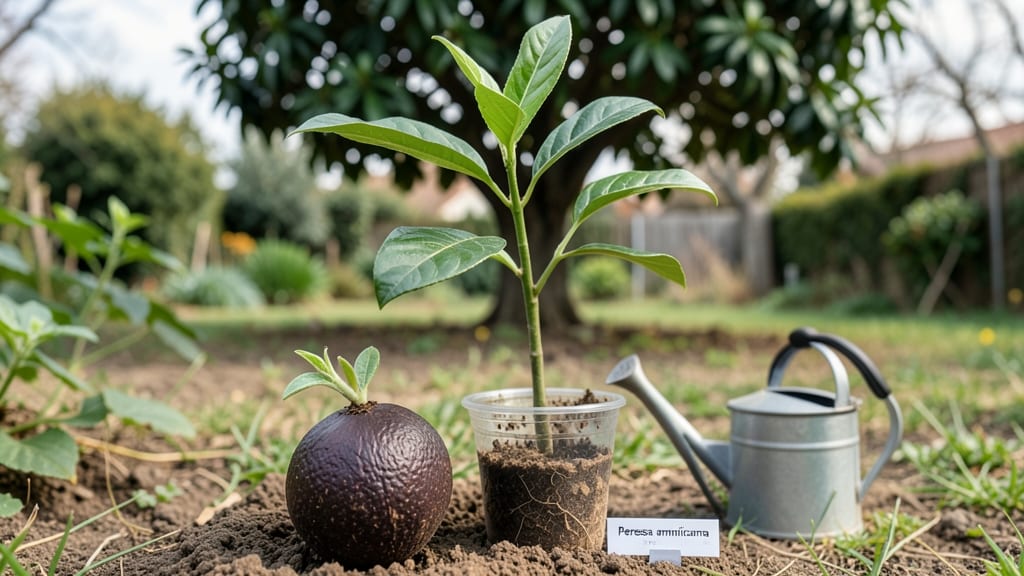
Growing an avocado tree from seed to fruit takes patience, but the first green shoot is the best reward. 🌱 I’ve turned grocery-store pits into thriving trees, and the key starts with the right germination method—no fancy equipment needed, just a glass and a little time.
The process unfolds in stages: from that first sprout emerging after 4-6 weeks to a sturdy 3-foot tree ready for transplant. You’ll need well-draining soil, bright light, and a steady watering routine that keeps roots happy without drowning them.
Most people rush this part, but slow growth now means stronger roots later. By year three, you’ll see tiny flowers—and with luck and care, your first avocado. The tree might take 5-10 years for full harvests, but the journey is half the joy.
Every leaf, every pruned branch, builds toward that moment when you hold your own fruit. Works indoors or out, in pots or ground—just give it space to grow. Here’s how to skip the guesswork and get started right.
📚 In This Guide
- What you need
- Instructions
- Tips and common mistakes
- Wrapping up and next steps
What you need
- ● Avocado seed: 1 fresh, healthy seed (preferably from an organic avocado for best results).
- ● Water: Filtered or rainwater (avoid tap water with high chlorine content).
- ● Glass or jar: 1 clear glass or jar (16–24 oz) with a wide mouth for easy access.
- ● Toothpicks or skewers: 3–4 toothpicks (or wooden skewers) to suspend the seed.
- ● Pebbles or small stones: 1–2 cups (for drainage at the bottom of the jar).
- ● Potting soil: 1 bag of well-draining, organic potting mix (avoid garden soil).
- ● Small pots: 2–3 4–6 inch nursery pots (for transplanting the seedling).
- ● Fertilizer: 1 bottle of balanced, organic liquid fertilizer (e.g., 10-10-10 or fish emulsion).
- ● Spray bottle: 1 for gentle watering (especially during the early stages).
- ● Pruning shears: 1 pair for trimming as the tree grows.
- ● Sunlight access: A sunny spot (6+ hours of direct sunlight daily) or a grow light for indoor setups.
- ○ Humidity tray or plastic wrap: Optional but helpful for maintaining moisture during germination.
- ● Grow light: 1 LED grow light for indoor seedlings if natural light is limited.
- ● Humidifier: 1 small unit to boost humidity, especially in dry climates.
- ● Mulch: Organic mulch (e.g., straw or wood chips) to retain soil moisture.
- ● pH testing kit: To monitor soil pH (ideal range: 6.0–7.0 for avocados).
- ● Support stake: 1–2 stakes for young trees to prevent toppling as they grow.
- ● Tree training clips: For shaping the tree as it matures.
- ● Pollination aid: A small paintbrush to manually pollinate flowers if growing indoors.
Step-by-Step instructions for growing an avocado tree from seed to fruit
Here's how to nurture a seed into a thriving avocado tree with edible fruit.
🌱 Step 1: Germinate the Avocado Seed
Start by removing the seed from a ripe avocado—save the pit after cutting around it with a knife. Insert 4 toothpicks evenly around the middle, leaving the top half exposed. Suspend the seed over a glass or jar filled with 2-3 inches of water so the bottom half sits submerged. Keep the water level constant by topping off as needed.
Place the jar in a warm spot with bright, indirect light (a south-facing window works well). Within 2-8 weeks, you'll see roots emerge from the bottom and a small sprout from the top. The key is patience—some seeds germinate faster in warmer conditions. I've seen roots appear in just 7 days, while others take nearly 2 months.
🪴 Step 2: Plant the Germinated Seed
Once the root reaches 2-3 inches long and the sprout is 1-2 inches tall, it's time to plant. Fill a 6-inch pot with well-draining potting mix (avoid garden soil—it compacts too easily). Make a small hole in the center and gently place the seed, ensuring the root system is fully covered but the top half remains exposed.
Press the soil lightly around the seed to secure it without compacting. Water until it drains from the bottom, then place the pot in a spot with bright, indirect light. Avoid direct sun at this stage—it can scorch the delicate new leaves. Keep the soil consistently moist but never soggy; let the top inch dry slightly between waterings.
☀️ Step 3: Transition to Direct Sunlight
After 4-6 weeks, when the seedling shows its first true leaves (not the initial sprout leaves), it's ready for more sunlight. Gradually introduce it to morning sun first, then slowly increase exposure over 2-3 weeks until it gets 4-6 hours of direct sunlight daily.
This is where most seedlings fail—too much sun too soon causes leaf burn. You'll notice the leaves turning yellow or brown at the edges if it's getting too intense. If this happens, move it back to indirect light for a few days before trying again. A south or west-facing window is ideal for avocado trees.
🌿 Step 4: Repot and Prune for Growth
When the seedling reaches 6-8 inches tall and you see new growth, it's time to repot into a 10-12 inch pot with fresh potting mix. Choose a container with drainage holes to prevent root rot. Gently remove the seedling, loosen the roots, and place it in the new pot, burying it to the same depth as before.
Prune any yellow or damaged leaves with clean scissors to encourage healthier growth. Pinch off the top set of leaves to promote branching—this helps the tree grow wider instead of just taller. Water deeply after repotting and keep the soil moist but well-draining. Fertilize lightly with a balanced, water-soluble fertilizer every 2 months during the growing season.
⏰ Step 5: Care for the Mature Tree
By year 3, your avocado tree should be 3-5 feet tall and ready for more mature care. Move it to a 15-18 inch pot or plant it outdoors in a warm climate (avocados thrive in USDA zones 9-11). If growing indoors, ensure it gets 6-8 hours of sunlight daily and rotate the pot weekly so it grows evenly.
Water when the top 2 inches of soil feel dry—avocado trees are drought-tolerant but need consistent moisture. In colder months, reduce watering and keep it away from drafts. With patience, your tree can produce fruit in 3-5 years, though it may take longer indoors. The first fruits will likely be small and inedible, but keep nurturing it—future harvests will improve!
Tips & tricks for growing an avocado tree from seed to fruit
Here's what I learned after watching my first seedling grow into a thriving tree.
Germination Patience: Those 2-8 weeks of waiting can feel endless, but consistency is key. Keep the water level at exactly 2-3 inches—never let the seed dry out completely, but don't drown it either. I found that changing the water every 2-3 days prevents bacterial growth while maintaining moisture. Place a rubber band around the jar to mark the water level so you don't accidentally overfill it.
Light Transition Strategy: When moving your seedling to direct sunlight in Step 3, start with just 1-2 hours of morning sun on the first day. Gradually increase by 30 minutes each subsequent day until reaching the full 4-6 hours. I use a small whiteboard to track progress—it's amazing how quickly those first true leaves adapt once they're ready. Watch for tiny yellow spots on leaves as your warning sign to slow down.
Repotting Technique: The 6-inch to 10-12 inch pot upgrade in Step 4 is where many growers make mistakes. Instead of just dumping in new soil, gently tease apart the roots with your fingers before placing in the larger pot. This prevents root circling, which can strangle growth. I like to add a handful of perlite to the new mix for extra drainage—avocado roots hate soggy conditions.
Fertilizer Timing: That 2-month fertilization schedule in Step 4 works best when timed with new growth. I apply my first dose when I see fresh leaves emerging after repotting, then every 2 months during spring and summer. In fall and winter, I skip fertilizing entirely—avocado trees go semi-dormant and don't need the nutrients. Always water thoroughly before and after fertilizing to prevent root burn.
Pro Tips for Avocado Tree Seed To Fruit
- Here's what I learned after watching my first seedling grow into a thriving tree.
- Germination Patience: Those 2-8 weeks of waiting can feel endless, but consistency is key.
- Light Transition Strategy: When moving your seedling to direct sunlight in Step 3, start with just 1-2 hours of morning sun on the first day.
Frequently asked questions
Got questions about growing avocados from seed?
Here are answers to the most common ones—so you can skip the guesswork and focus on your future fruit tree!
How long does it take for an avocado seed to sprout?
Most avocado seeds sprout within 2–6 weeks if kept in warm, moist conditions (70–80°F). Patience is key—some stubborn seeds take up to 8 weeks. Use a seed starter kit or damp paper towels to speed up germination. Once you see a 1–2 inch sprout, it’s time to pot it!
Will my avocado tree actually produce fruit?
Yes, but it takes 3–5 years (sometimes longer) for a seed-grown tree to bear fruit. Store-bought avocado seeds often yield small, less flavorful fruit—choose heirloom varieties like Hass or Fuerte for better results. Pollination is another hurdle; plant two trees for cross-pollination if possible!
What’s the best pot size for a young avocado seedling?
Start with a 6–8 inch pot for the first year, then upgrade to 12–15 inches as roots grow. Avocados hate root-bound conditions, so repot every 12–18 months with well-draining soil (mix potting soil with perlite or sand). By year 3, transplant outdoors if in a USDA Zone 9–11 climate.
Can I grow an avocado tree indoors?
Place your seedling near a sunny window (south-facing) or use a grow light for 6–8 hours daily. Keep temps above 50°F—avocados hate cold drafts. Rotate the pot weekly for even growth. Just know: Indoor trees may never fruit without proper outdoor conditions (warmth, humidity, and space).
Can I eat fruit from a seed-grown avocado tree?
Technically yes, but expect small, seedy, and less tasty avocados compared to grocery-store varieties. Seed-grown trees are not grafted, so fruit quality varies. For better results, graft a known variety onto your seedling (a nursery can help). Save the best fruit for eating—and plant the pits of organic, ripe avocados for your next tree!
Why is my avocado seedling turning yellow or dropping leaves?
Yellow leaves often signal overwatering (avocados hate soggy roots) or nutrient deficiency. Let the top 2 inches of soil dry between waterings. Brown tips? Low humidity—mist leaves or use a pebble tray. Dropping leaves? It may need more sunlight or a fertilizer boost (use a citrus blend in spring/summer).
Wrapping up and next steps
Growing an avocado tree from seed to fruit is a rewarding journey that blends patience, care, and a touch of green-thumb magic! 🌱 You’ve learned how to nurture a seedling into a thriving tree capable of producing delicious fruit in just three years—proof that nature’s timeline can align with your enthusiasm.
Whether you’re a beginner or a seasoned gardener, this process teaches resilience and the joy of watching life grow from something as simple as a pit.
Now that you’re armed with knowledge, take the next step: plant that seed today! Start small, stay consistent, and soon you’ll be savoring the fruits of your labor—literally. Happy growing! 🌟