
Pruning
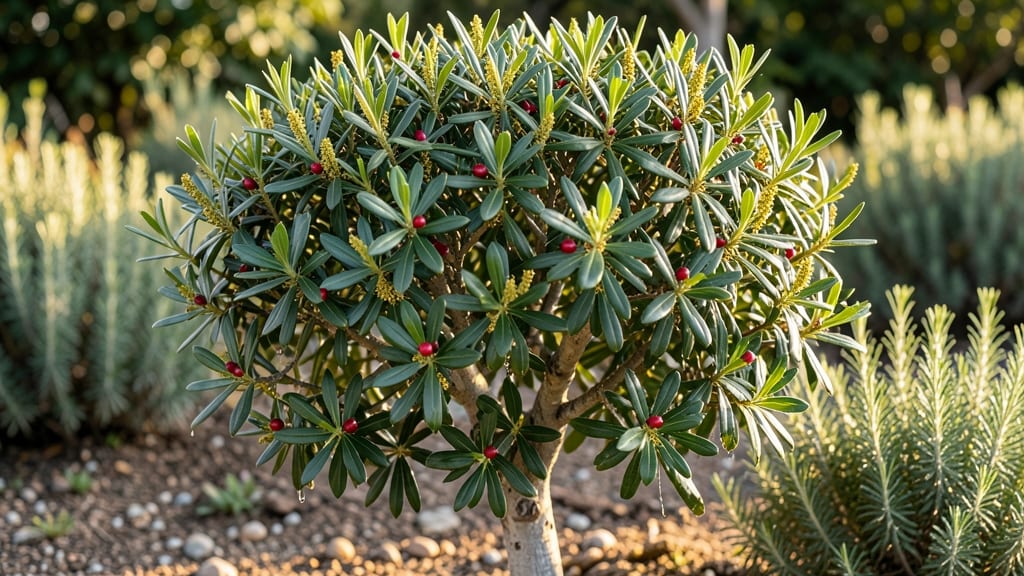
Growing a mastic tree from Chios means harvesting golden resin in just three years—though patience is key. 🌿 This evergreen shrub thrives where summers are hot and winters mild, mimicking its Mediterranean homeland.
The secret lies in its stubborn resilience: once established, it needs almost no water and fights off pests like a champ.
Start with a young tree or cutting in well-draining soil—sandy or rocky works best. Plant in full sun where it can stretch its branches wide, and water deeply but infrequently. Prune lightly in late winter to shape it, but avoid heavy cuts that stress the slow-growing wood.
The real magic happens when you let it mature: after three years, you’ll see the golden tears of resin forming on the bark.
Harvesting is simple: scrape the resin off the trunk in early summer when it’s soft and golden. Store it in a cool, dark place to keep its aromatic properties intact. The resin’s uses are endless—from chewing gum to perfumes—but the joy of growing your own Chios mastic is priceless.
For those outside the Mediterranean, mimic the climate with shelter from harsh winters and extra heat in colder zones. A container works too, letting you move it indoors when frost threatens.
The slow growth means it’s not a quick fix, but the reward—a piece of Chios in your garden—is worth every wait.
📚 In This Guide
- What you need
- Instructions
- Tips and common mistakes
- Wrapping up and next steps
What you need
- ● Mastic Tree Saplings: 1-2 healthy, 1-2 year-old Pistacia lentiscus seedlings (nursery-grown or grafted for purity).
- ● Well-Draining Soil: 50 lbs of a mix of 60% sandy loam, 30% perlite, and 10% compost (pH 6.0–7.5).
- ● Container or Planting Hole: For containers: 2–3 gallon pots (minimum 12" deep) with drainage holes.
- ● For ground planting: Dig a hole twice as wide as the root ball, 12–18" deep.
- ● Pruning Tools: 1 pair bypass pruners (sharp, sterilized).
- ● 1 pruning saw (for thicker branches).
- ● Mulch: 2–3 inches of pine bark or straw mulch (retains moisture, regulates temperature).
- ● Drip Irrigation or Watering Can: For consistent moisture (avoid overhead watering).
- ● Fertilizer: 1 lb of balanced organic fertilizer (10-10-10) or slow-release granules (spring/fall).
- ● Sunlight Access: Full sun (6+ hours/day) or partial shade (if in extreme heat zones).
- ● Root Stimulator: 1 bottle (e.g., Mycorrhizal fungi) to boost early growth.
- ● Soil Moisture Meter: Ensures optimal hydration without overwatering.
- ● Pest Control: Neem oil or insecticidal soap (for aphids/mites).
- ● Windbreak: Temporary mesh or burlap (protects young saplings in coastal areas).
- ● Harvesting Tools: Sterilized knife or mastic gum scraper (for future resin collection!).
Step-by-step guide to growing a mastic tree from Chios
Here’s how to cultivate your own Mediterranean gold—patience and precision pay off with this slow-growing treasure.
🌱 Step 1: Select and Prepare Your Mastic Tree Seedlings
Mastic trees (Pistacia lentiscus) from Chios thrive best when started from young, healthy nursery-grown seedlings rather than seeds. Look for 1-2 year-old plants with vibrant green foliage and no signs of pests or disease. These trees grow slowly, so choose a specimen with a sturdy trunk—at least ½ inch thick—to ensure long-term success.
Before planting, soak the roots in lukewarm water for 10-15 minutes to rehydrate them. This helps reduce transplant shock, especially if the nursery pot was dry. Gently loosen the root ball if it’s tightly bound—mastic trees hate compacted roots and will struggle if their roots can’t spread freely.
☀️ Step 2: Choose the Perfect Mediterranean Climate Spot
Mastic trees demand full sun—at least 6-8 hours daily—to produce their prized resin. In warmer climates, they tolerate partial shade in the hottest afternoon hours, but resin production suffers without ample sunlight. If you’re growing in a container, place it on a south- or west-facing patio where it gets consistent warmth.
The soil must drain exceptionally well—mastic trees cannot tolerate soggy roots. Amend heavy clay soil with sand or gravel to create a gritty, fast-draining mix. A slight slope in the planting area helps prevent water pooling. If your soil is sandy, add compost to retain some moisture without suffocating the roots.
🪴 Step 3: Plant with Care for Long-Term Stability
Dig a hole twice as wide as the root ball but only as deep as the container’s base. This encourages roots to spread horizontally rather than sink too deep, which can rot in heavy soil. Place the tree in the hole, backfill with native soil, and water deeply to settle everything.
For container growing, use a large pot (at least 18 inches wide and deep) with drainage holes. Fill the bottom ¼ with gravel or broken pottery to prevent root rot. Fill the rest with a mix of 60% potting soil, 30% coarse sand, and 10% perlite. Water thoroughly after planting, then let the top 1 inch of soil dry out before watering again.
💧 Step 4: Water and Feed for Resin Production
Mastic trees are drought-tolerant once established, but young plants need consistent moisture for the first 2 years. Water deeply every 7-10 days during dry spells, ensuring the soil dries out completely between waterings. Overwatering is the fastest way to kill a mastic tree—yellowing leaves or mushy stems mean you’re watering too much.
Fertilize lightly in early spring with a balanced, slow-release fertilizer (10-10-10). Too much nitrogen encourages leafy growth at the expense of resin production. In container-grown trees, apply fertilizer every 6-8 weeks during the growing season, but stop feeding in late summer to prepare for dormancy.
✂️ Step 5: Prune for Shape and Resin Flow
Prune lightly in late winter or early spring before new growth begins. Remove dead, diseased, or crossing branches first, then shape the tree by trimming back overly long branches to maintain an open, airy canopy. Mastic trees produce resin best on sun-exposed branches, so avoid heavy pruning that blocks light.
Here’s the thing—don’t over-prune. These trees grow slowly, and aggressive cuts stress them. Instead, focus on removing suckers (shoots growing from the base) to direct energy upward. After pruning, water deeply to help the tree recover. You’ll notice small, yellowish droplets on the bark by year 3—that’s your first mastic resin!
Tips & tricks for cultivating your mastic tree from Chios
Real talk: These Mediterranean trees aren't your typical fast-growing plants, but with the right approach, you'll be harvesting resin in just three years. Here's what I learned after watching my own mastic tree thrive.
Seedling Selection: When choosing your 1-2 year-old mastic tree, pay special attention to the root system. Gently pull the plant from its container to inspect the roots—healthy roots should be white or light tan, not dark or mushy. The root ball should be dense but not circling tightly around the pot. If you find roots growing in circles, carefully tease them apart before planting to encourage outward growth. This step is crucial because compacted roots will struggle to establish properly in your prepared soil.
Soil Preparation: The gritty, fast-draining mix mentioned in Step 2 is non-negotiable for mastic trees. I recommend going the extra mile by testing your soil's drainage before planting. Dig a hole about 12 inches deep and fill it with water—if it drains completely within an hour, your soil is suitable. If not, add more sand or gravel to improve drainage. For container growers, I've found that using a mix of 60% potting soil, 30% coarse sand, and 10% perlite creates the perfect environment that mimics the Mediterranean climate these trees thrive in.
Transplanting Strategy: The 10-15 minute root soaking before planting is your best defense against transplant shock. I've seen many gardeners skip this step, only to watch their mastic trees struggle for weeks. While soaking, gently massage the root ball to encourage root spread. After planting, create a small watering basin around the base of the tree to help settle the soil and eliminate air pockets. This creates better root-to-soil contact right from the start, which is especially important for these slow-growing trees.
Watering Wisdom: The 7-10 day watering schedule is perfect for established trees, but young plants need more frequent attention. During the first two years, I recommend checking soil moisture every 5-7 days by inserting your finger about 2 inches into the soil. If it feels dry, water deeply until moisture reaches at least 6 inches down. The key is complete drying between waterings—mastic trees despise soggy roots, which can lead to root rot and kill your tree quickly.
Pro Tips for Mastic Tree Chios
- Real talk: These Mediterranean trees aren't your typical fast-growing plants, but with the right approach, you'll be harvesting resin in just three years.
- Seedling Selection: When choosing your 1-2 year-old mastic tree, pay special attention to the root system.
- Soil Preparation: The gritty, fast-draining mix mentioned in Step 2 is non-negotiable for mastic trees.
Frequently asked questions
Got questions about growing mastic tree (Chios)? You’re not alone! Here are answers to the most common queries—from pruning tips to troubleshooting—so you can cultivate this prized Mediterranean gem with confidence.
How long does it take for a mastic tree to produce resin?
A healthy Pistacia lentiscus (mastic tree) typically starts yielding resin after 3–5 years, but optimal harvests take 5–7 years for full maturity. Patience pays off—young trees focus on root and branch growth first. Pro tip: Prune lightly in early years to encourage bushier growth, which boosts resin production later.
When is the best time to prune a mastic tree for resin?
Prune late winter to early spring (February–March) before new growth begins. Avoid pruning in summer or fall, as it stresses the tree and reduces resin quality. Focus on removing dead, diseased, or crossing branches—never cut more than 20% of the canopy at once. Warning: Over-pruning can delay resin harvest by 1–2 years.
Can mastic trees survive cold winters, or do they need protection?
Mastic trees are hardy to USDA Zone 8–10 and tolerate brief dips to 15°F (-9°C). In colder climates (Zones 7–8), mulch the base with 4–6 inches of organic matter and wrap young trees with burlap during frost. Mature trees usually handle winter well, but young saplings may need extra care. Bonus: They thrive in coastal areas with mild winters!
What should I do if my mastic tree isn’t producing resin?
Lack of resin often stems from young age, poor pruning, or stress. Check these fixes:
- Age: Resin production peaks at 5+ years—wait it out!
- Sunlight: Ensure 6+ hours of direct sun daily.
- Soil: Well-draining, slightly alkaline soil (pH 7.0–8.0) is key.
- Watering: Drought-stressed trees produce less resin—water deeply 1–2 times/week in dry spells.
If issues persist, test for pests (aphids, scale) or root rot (yellowing leaves).
Are there alternatives to mastic resin for similar benefits?
While nothing replicates mastic’s antimicrobial, anti-inflammatory properties, consider:
- Myrtle resin (similar Mediterranean tree, milder flavor).
- Propolis (bee resin, antibacterial but harder to harvest).
- Cinnamon or clove (for culinary spice, not resin).
For authentic mastic, though, growing your own is the gold standard!
Wrapping up and next steps
The mastic tree of Chios isn’t just a Mediterranean treasure—it’s a rewarding journey for patient gardeners. With the right soil, pruning techniques, and a touch of love, you can harvest golden resin in just three years. Whether you’re pruning for shape, health, or yield, remember: consistency is key!
Ready to grow your own liquid gold? Start by planting your sapling this season—your future harvest (and a slice of Greek heritage!) awaits. 🌱✨