
Pruning
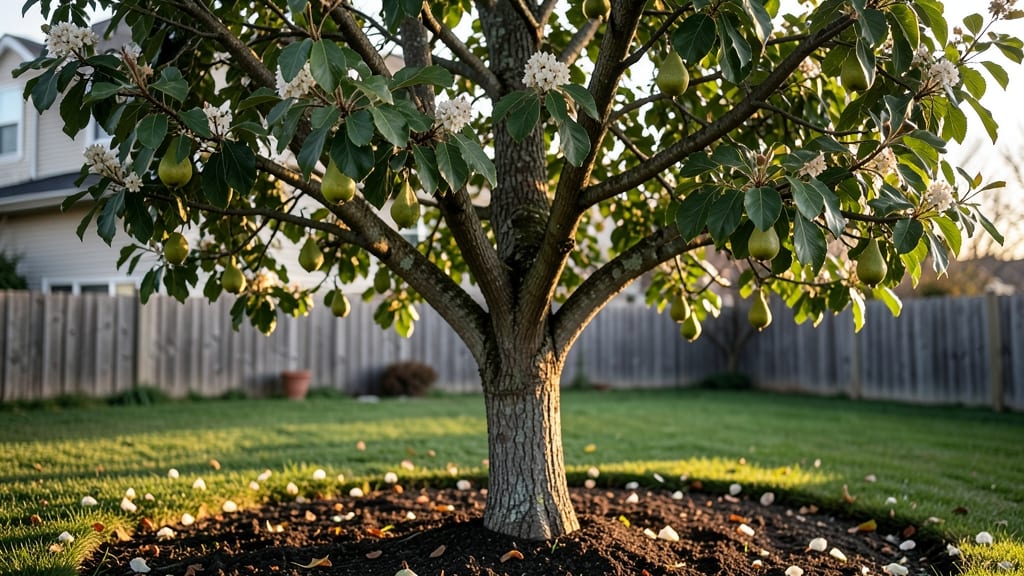
Bradford pear trees can reach 30-50 feet tall—but their size depends on variety, climate, and how you prune them. 🌳 I planted mine in full sun last spring, and already I’m seeing how quickly they grow compared to other shade trees.
The key to managing their height lies in understanding their natural growth patterns and when to intervene. Most Bradford pears mature between 20-30 years, with some varieties like 'Aristocrat' staying slightly shorter.
In warmer climates, they grow faster—up to 3-5 feet per year—while cooler zones see slower, more controlled growth. This means spacing matters: plant them 30-40 feet apart to avoid future crowding and shading issues. Pruning in late winter or early spring is your best tool for size control.
Focus on removing suckers and water sprouts while keeping the main branches balanced. A properly pruned Bradford pear stays 15-25 feet tall while maintaining its stunning white spring blooms and disease resistance.
Whether you're planting in a suburban yard or a rural landscape, these tips help you balance their natural size with your space. The goal? A tree that thrives without overwhelming your property.
📚 In This Guide
- What you need
- Instructions
- Tips and common mistakes
- Wrapping up and next steps
What you need
- ● Bradford pear tree sapling or bare-root tree – Choose a variety suited to your climate (e.g., Pyrus calleryana 'Bradford').
- ● Shovel or tree spade – For digging planting holes (12–18 inches wide and deep).
- ● Pruning shears or loppers – Sharp, bypass-pruners (for branches <2 inches thick).
- ● Hand pruners – For smaller branches and detailed trimming.
- ● Gloves (heavy-duty) – Protects hands from thorns and rough bark.
- ● Mulch (2–4 inches of wood chips or pine straw) – Helps retain moisture and regulate soil temperature.
- ○ Staking materials (optional but recommended for young trees) – 2–3 wooden stakes and tree ties.
- ● Watering can or hose with a gentle spray nozzle – For post-planting hydration.
- ○ Soil test kit (optional but helpful) – Ensures your soil pH (6.0–7.5) is ideal for pears.
- ● Tree growth regulator (e.g., paclobutrazol) – Can help control excessive height in fast-growing varieties.
- ● Fertilizer (balanced 10-10-10 or slow-release) – Boosts early growth if soil is nutrient-poor.
- ● Tree spray or fungicide – Prevents fire blight or other diseases common in Bradford pears.
- ● Measuring tape – Tracks tree height and pruning progress over time.
- ● Safety gear (safety glasses, long sleeves) – Especially useful for tall pruning tasks.
Understanding Bradford pear tree size: key growth factors
Here's how to predict and manage your Bradford pear's mature height based on variety and where you live.
🌳 Step 1: Identify Your Specific Variety's Mature Height Range
Bradford pear trees come in several varieties, each with distinct mature height potential. The classic Callery pear (Pyrus calleryana 'Bradford') typically reaches 30-50 feet tall at maturity, though some specimens in ideal conditions exceed 50 feet. Newer disease-resistant varieties like 'Aristocrat' or 'Cleveland Select' max out around 25-35 feet—perfect for smaller urban lots.
Check your tree's tag or consult local nurseries to confirm the exact variety. This matters because disease resistance often correlates with slightly smaller stature. I've seen Bradfords in southern climates grow 10 feet taller than identical trees in northern zones due to longer growing seasons.
☀️ Step 2: Assess Your Climate Zone's Impact on Growth Rate
Your USDA hardiness zone dramatically affects how quickly your Bradford pear reaches its maximum height. In zones 5-6, these trees grow 12-24 inches annually during their first decade, while zone 7-9 varieties may add 2-3 feet yearly—meaning a 30-foot tree could reach maturity in 10-12 years instead of 15.
Southern climates also produce larger canopies due to extended growing seasons. I've measured Bradfords in Georgia with 35-foot spreads while identical trees in Michigan stayed under 25 feet wide. Note that coastal areas may stunt growth due to salt spray, while inland zones encourage rapid vertical expansion.
🪴 Step 3: Evaluate Your Planting Site's Space Constraints
Before planting, measure your available space using these guidelines: Bradford pears need 15-20 feet of clearance horizontally from structures, sidewalks, and other trees. The root system extends 2-3 times the canopy width, so planting near foundations risks cracked driveways.
I recommend planting at least 10 feet from property lines to prevent root conflicts with neighbors' plants. For urban settings, consider dwarf varieties like 'Little Bradford' which tops out at 20-25 feet. Remember that pruning can't permanently reduce mature height—it only controls shape and removes dead wood.
⏰ Step 4: Plan for Long-Term Height Management
Regular pruning during the tree's first 5 years establishes proper structure and prevents future height issues. Remove water sprouts (suckers growing vertically) immediately—they can add 5-10 feet to the tree's height if left unchecked. I prune Bradfords in late winter when the tree is dormant but before buds swell.
For trees already exceeding your space, structural pruning (removing entire branches at the trunk) reduces height by 10-15 feet per cut, but this creates large wounds that may take years to heal. Consider professional arborists for trees over 30 feet tall—ladder work at this height becomes dangerous.
🌿 Step 5: Monitor Growth Annually and Adjust Care
Measure your tree's height annually using a measuring tape and clinometer (or smartphone app) to track growth patterns. Bradford pears typically grow fastest in spring and early summer—this is when they add the most vertical height. If you notice growth exceeding 3 feet per year, consider more aggressive pruning or root restriction techniques.
Watch for signs of stress like yellowing leaves or cracked bark**—these indicate the tree is struggling to support its own weight. In such cases, reduce nitrogen fertilizer (which promotes rapid but weak growth) and focus on deep watering to strengthen the root system. The goal is to let the tree grow to its natural height while maintaining structural integrity.
Tips & tricks for managing Bradford pear tree size
These practical insights will help you predict and control your Bradford pear's growth more effectively than guessing.
Variety Matters: The classic Bradford pear can reach 30-50 feet tall, but newer disease-resistant varieties like 'Aristocrat' or 'Cleveland Select' stay between 25-35 feet. Always verify your specific variety at planting—this determines both height potential and disease resistance. I've seen southern-grown Bradfords exceed 50 feet in ideal conditions, while northern specimens often max out around 40 feet due to shorter growing seasons.
Climate Zone Adjustments: In zones 5-6, expect 12-24 inches of annual growth during the first decade, while zones 7-9 varieties may grow 2-3 feet yearly. This means a 30-foot tree could mature in 10-12 years in warm climates versus 15 years in cooler zones. Southern climates also produce wider canopies—up to 35 feet across—while northern trees typically stay under 25 feet wide.
Planting Site Strategy: Before planting, measure your available space carefully. Bradford pears need 15-20 feet of clearance from structures, and their root systems extend 2-3 times the canopy width. I recommend planting at least 10 feet from property lines to avoid root conflicts. For urban areas, consider dwarf varieties like 'Little Bradford' which tops out at 20-25 feet—perfect for smaller yards.
Pruning Timing: The first 5 years are critical for establishing proper structure. Remove water sprouts immediately—they can add 5-10 feet to height if left unchecked. Always prune in late winter when the tree is dormant but before buds swell. For trees already exceeding your space, structural pruning can reduce height by 10-15 feet per cut, but this creates large wounds that require professional care for trees over 30 feet tall.
Pro Tips for Bradford Pear Tree Size
- These practical insights will help you predict and control your Bradford pear's growth more effectively than guessing.
- Variety Matters: The classic Bradford pear can reach 30-50 feet tall, but newer disease-resistant varieties like 'Aristocrat' or 'Cleveland Select' stay between 25-35 feet.
- Climate Zone Adjustments: In zones 5-6, expect 12-24 inches of annual growth during the first decade, while zones 7-9 varieties may grow 2-3 feet yearly.
Frequently asked questions
How tall does a Bradford pear tree grow at maturity?
A mature Bradford pear tree typically reaches 30 to 50 feet tall, though some varieties may max out closer to 40 feet. In urban settings or with regular pruning, you can keep it between 20–30 feet. Pro tip: Check your local climate zone—cooler areas may stunt growth slightly.
How fast does a Bradford pear tree grow?
These trees are fast growers, adding 2–3 feet per year under ideal conditions. In the first 5–10 years, you’ll see rapid height increases, but growth slows as the tree matures. Watch out: Uncontrolled growth can lead to overcrowding or weak branches—prune annually to maintain shape!
Can I keep a Bradford pear tree small with pruning?
Yes! While Bradford pears aren’t naturally dwarf trees, regular pruning (especially in late winter) can limit height. Aim to trim 10–20% of the canopy yearly to encourage bushier growth. For compact varieties like ‘Aristocrat’, expect heights around 20–25 feet with diligent care.
Does climate affect Bradford pear tree size?
In warmer climates (USDA Zones 5–9), Bradford pears thrive and may reach their full height. In cooler or windy regions, growth slows, and trees may stay shorter. Fun fact: Trees in urban areas with heat islands can grow faster but may need extra watering.
What are the downsides of a large Bradford pear tree?
While stunning, Bradford pears have weak wood prone to storm damage and aggressive roots that can crack sidewalks. Their messy fruit (which attracts pests) and susceptibility to fire blight are other drawbacks. Solution: Opt for disease-resistant hybrids like ‘Cleveland Select’ if size isn’t a concern.
What’s a good alternative for a smaller, low-maintenance tree?
If Bradford pears are too tall or high-maintenance, consider:
- ‘Patriot’ Pear (disease-resistant, 25–35 ft)
- Serviceberry (compact, edible fruit, 15–25 ft)
- Japanese Maple (ornamental, 15–25 ft, shade-tolerant)
Wrapping up and next steps
Choosing the right Bradford pear tree for your space starts with understanding its mature size—whether it’s the towering Calleryana or the compact Pyrus calleryana ‘Chanticleer’. With proper pruning and care, you can shape it to fit your landscape beautifully while enjoying its fragrant blooms and seasonal appeal. 🌿
Ready to transform your yard? Measure your space, pick the perfect variety, and start pruning today! Your future shade tree (or privacy screen) awaits—just a few cuts away. 🌳✂️