
How To
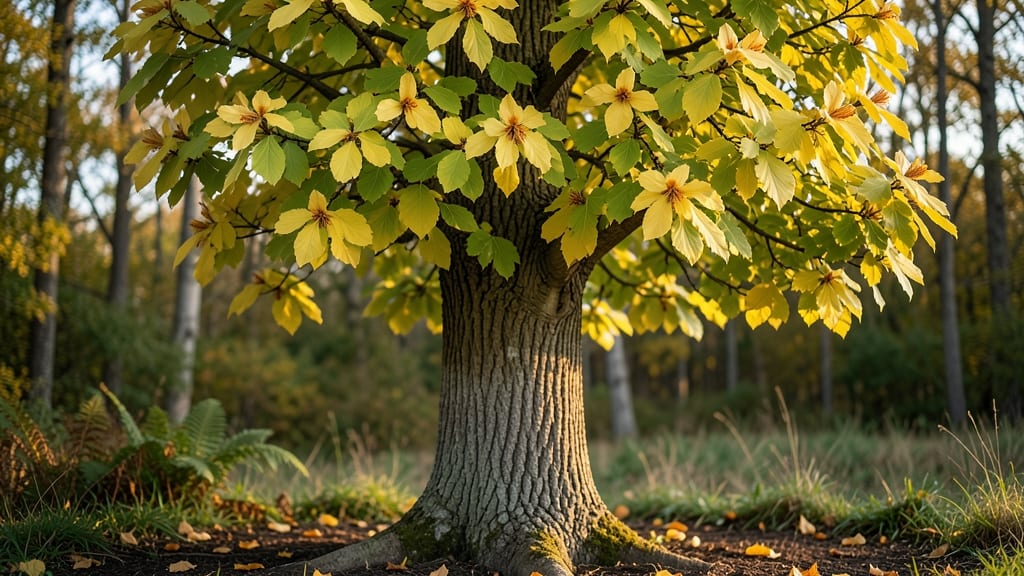
A tulip tree 🌳 can grow 70 to 90 feet tall at maturity, making it one of the fastest-growing shade trees in North America—though how quickly it reaches that height depends entirely on where you live.
If you're dreaming of a towering shade tree but wondering whether a tulip tree will fit your yard, you're not alone—many gardeners question how fast and tall these majestic trees grow before planting. The answer depends on your climate, soil, and patience, but the numbers might surprise you.
In warmer regions like the Southeast, a tulip tree can shoot up 3 to 5 feet per year in ideal conditions, while in cooler climates like Zone 6a, growth slows to 1 to 2 feet annually.
That means a tree planted in Georgia could top 50 feet in just 15 years, while one in New York might take twice as long.
Below, I’ll break down the exact height ranges by region, how to estimate your tree’s growth rate, and whether pruning can help manage its impressive size—because yes, even a 90-foot giant can be shaped with the right approach.


Tulip tree height by region: exact growth ranges for USDA zones
The tulip tree (Liriodendron tulipifera) is one of North America's fastest-growing native shade trees, but its mature height varies dramatically depending on your USDA hardiness zone.
In warm climates like Zone 8-9, these trees can reach 90 feet or taller, while in colder Zone 4-5 regions, growth slows significantly. Understanding these regional differences helps you plan spacing and manage expectations for your landscape.
Southern states like Georgia, Alabama, and Louisiana provide ideal conditions for tulip trees, with longer growing seasons and warmer winters accelerating vertical growth. Meanwhile, northern states like New York, Michigan, and Wisconsin experience slower growth due to shorter frost-free periods and colder winters.
Let's break down the exact height ranges you can expect in each zone.
🌳 Key Factors Affecting Height:
- Latitude: Trees in Zone 9 grow 20-30% faster than those in Zone 5
- Temperature: Warmer winters reduce winter dieback
- Soil quality: Rich, well-draining soil adds 5-10 feet to mature height
- Sunlight exposure: Full sun increases growth by 30% compared to partial shade
📊 Regional Height Variations: Southern trees often develop wider canopies (up to 50 feet) while northern specimens grow taller but more slender. In Zone 6-7, you'll see the most balanced growth patterns, making these areas ideal for planting if you want a medium-sized tulip tree.
| USDA Zone | Mature Height Range | Growth Rate (First 10 Years) | Regional Notes |
|---|---|---|---|
| Zone 4-5 | 50-70 ft | 1-2 ft/year | Slow growth due to cold winters; needs protection |
| Zone 6-7 | 65-85 ft | 2-3 ft/year | Balanced growth; ideal for most landscapes |
| Zone 8-9 | 80-90+ ft | 3-4 ft/year | Fastest growth; may need pruning for height control |
In Zone 4-5, tulip trees typically mature at 50-70 feet due to shorter growing seasons and harsher winters. These northern trees develop thicker bark and deeper root systems to survive cold snaps, which can slightly reduce their vertical growth potential compared to southern counterparts.
For gardeners in Zone 6-7, the sweet spot for tulip trees, you can expect 65-85 feet at maturity with 2-3 feet of growth annually during the first decade.
This makes them perfect for large suburban lots or park settings where they can develop their full majestic stature without crowding structures.
Southern gardeners in Zone 8-9 will see the most dramatic growth, with mature heights often exceeding 90 feet.
In Louisiana or Florida, these trees can grow 3-4 feet per year in ideal conditions, reaching their full height in 20-25 years rather than the 30-40 years seen in cooler climates.
If you're planting near power lines or rooflines, consider that tulip trees develop spreading canopies that can reach 40-50 feet wide at maturity. Always check local utility clearance regulations before planting, as these trees can outgrow many residential spaces within 15-20 years.
One surprising fact about tulip tree height is that urban planting often results in shorter mature trees due to limited root space and competition from sidewalks. In city environments, you might see mature heights reduced by 10-20 feet compared to rural settings with unrestricted root zones.
For those in Zone 5 or colder, consider planting near south-facing walls or heat-absorbing surfaces to extend the growing season. Even small temperature increases can add 5-10 feet to mature height by reducing winter stress on the tree's cambium layer.
Remember that these are average ranges—exceptional specimens can reach 100+ feet in ideal southern conditions, while poor soil or water stress can reduce heights by 20-30%. Always plant with future growth potential in mind, and be prepared for regular pruning if you're working with limited space.
How fast tulip trees grow: annual height increments and mature timeline
Planting a tulip tree (Liriodendron tulipifera) is like investing in a living skyscraper—these giants grow 2-3 feet annually under ideal conditions, making them one of the fastest-growing shade trees. While they start small, their rapid vertical growth means you’ll see dramatic changes year after year.
Understanding this timeline helps you plan for their eventual 70-90 foot mature height, ensuring your yard has space for their majestic canopy.
In their first decade, tulip trees transform from saplings to towering specimens, with full sun exposure and rich, well-draining soil accelerating their growth. Southern climates (USDA Zones 6-9) often see faster growth due to longer growing seasons, while northern regions may experience slower early development.
Even with these variations, their growth rate outpaces many shade trees, including sycamores and oak trees, which typically grow at half the speed.
🌱 Tulip Tree Growth Timeline: Year-by-Year Height Projections
- Year 1: 2-4 ft – Sapling establishes roots; focus on deep watering and mulching.
- Year 2: 6-10 ft – Rapid vertical growth begins; prune to shape if needed.
- Year 3: 12-18 ft – Tree develops a sturdy trunk; reduce watering as roots deepen.
- Year 5: 25-35 ft – Canopy begins to form; provide balanced fertilizer annually.
- Year 10: 40-50 ft – Mature foliage; minimal pruning required unless managing height.
- Mature (20+ years): 70-90 ft – Full shade potential; drought-tolerant once established.
Note: Growth rates vary by climate, soil quality, and water availability. Southern regions may reach mature height 5-10 years faster.
To maximize growth, prioritize full sun locations (6+ hours daily) and well-draining soil with a pH of 5.0-7.0. Amending clay soil with compost or sand improves drainage, while mulching retains moisture and regulates soil temperature.
Young trees benefit from deep watering (10-15 gallons weekly) during their first 3 years, but once established, they tolerate drought better than many shade trees.
Comparing tulip trees to other fast-growing shade trees reveals their speed advantage. While silver maples grow 3-5 feet annually and willow oaks reach 2-3 feet per year, tulip trees consistently outpace them by 50-100% in early growth stages.
Their rapid height gain makes them ideal for large properties, but their eventual size requires proper spacing—plant at least 30-40 feet from structures or power lines to avoid future issues.
Accelerate growth naturally by fertilizing in early spring with a balanced 10-10-10 NPK formula and avoiding over-fertilizing, which can harm young roots. Prune only to remove dead branches or shape the tree in early spring before new growth begins.
Avoid heavy pruning, as it can slow growth and reduce canopy development. With optimal care, your tulip tree could reach half its mature height in just 10 years, providing shade and beauty for decades.
If you’re considering a tulip tree for your landscape, start planning now—these giants grow faster than you might expect! Their ability to thrive in urban and rural settings alike makes them a versatile choice, but their long-term height demands thoughtful placement.
With the right conditions, you’ll enjoy watching your tulip tree reach for the sky year after year. 🌳