
Flowers
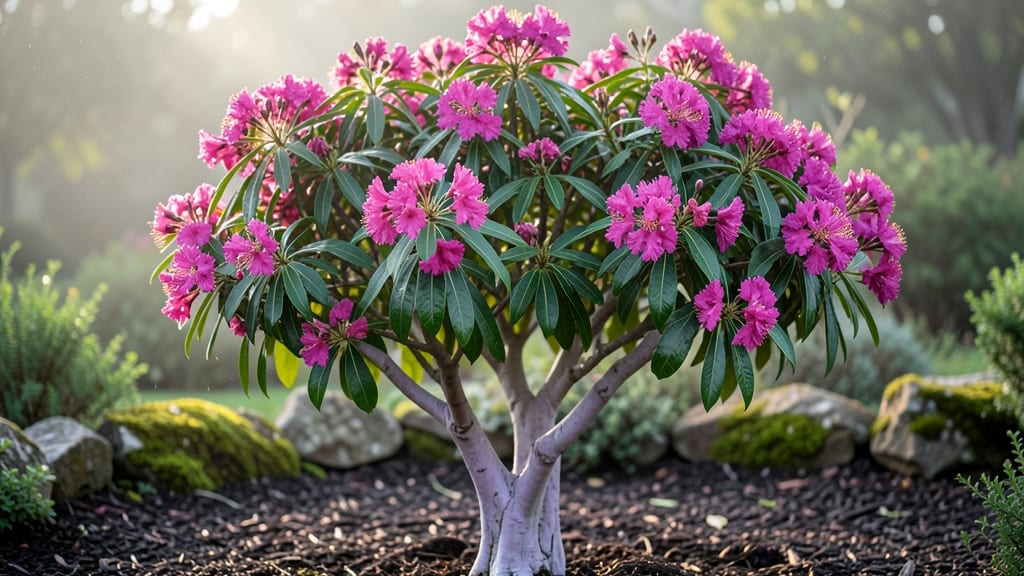
What type of tree has purple flowers? The fragrant lilac, climbing wisteria, and bold crape myrtle are just a few stunning varieties. These trees flourish in moderate climates and bring vibrant spring/summer color to gardens.
Purple blooms in trees come from anthocyanin pigments, the same compounds that give blueberries and grapes their color. 🌿 These trees aren't just beautiful—they also attract pollinators like bees and hummingbirds, making them eco-friendly additions to any landscape.
For example, lilacs bloom early spring while crape myrtles shine in late summer, giving you seasonal interest. Most prefer well-drained soil and full sun, though some like wisteria can adapt to partial shade.
When selecting purple-flowering trees, consider your space needs: compact varieties like purple smoke bush work for small yards, while Japanese tree lilac can reach 20 feet tall. 💜 Many of these trees are low-maintenance once established, but regular pruning after flowering helps maintain their shape and encourages next year's blooms.
The key is choosing varieties that match both your climate zone and garden design goals.
💡 In This Article
- How Tree Species Determine Flower Color and Bloom Seasons
- Best Purple-Flowering Trees for Home Gardens and Landscapes
How tree species determine flower color and bloom seasons
The vibrant purple hues in flowering trees come from anthocyanin pigments, water-soluble compounds that act like natural sunscreen for plants.
These pigments protect developing flowers from UV damage while also attracting pollinators like bees and butterflies. 🌿 For example, lilacs contain high concentrations of delphinidin-based anthocyanins, which create their signature lavender-purple shades, while crape myrtles produce petunidin pigments that range from deep violet to soft mauve.
Genetics play a crucial role in determining both color and bloom timing.
Most purple-flowering trees follow a spring-to-summer blooming pattern, with lilacs typically flowering in late April to May when daytime temperatures reach 60-70°F, while crape myrtles bloom later in July to September when heat triggers their flowering hormones.
Wisteria, however, has a unique vernalization requirement—it needs exposure to 30-60 days of cold temperatures (below 45°F) before it will bloom reliably in spring.
Climate adaptability varies significantly between species.
Native to Europe and Asia, lilacs thrive in USDA zones 3-7 and tolerate temperatures as low as -30°F, while crape myrtles, originally from China, prefer zones 7-9 with protection from winter winds. 💜 The key adaptation mechanism is their dormancy response—trees like purple smoke bush enter a metabolic slowdown during winter, conserving energy until spring warmth stimulates new growth and flowering.
Light exposure also influences both color intensity and bloom timing. Most purple-flowering trees require full sun (6-8 hours daily) to produce their most vibrant colors, though some like Japanese tree lilac can tolerate partial shade (4-6 hours) with slightly less intense blooms.
The science behind this is simple: sunlight triggers photosynthesis in leaves, which then produces the energy needed for flower development. In low-light conditions, trees may produce smaller blooms with less pigmentation.
Soil pH affects anthocyanin production too. Most purple trees prefer slightly acidic to neutral soil (pH 6.0-7.5), where nutrient availability is optimal. For instance, wisteria grows best in well-drained, slightly acidic soil (pH 6.0-6.5), while crape myrtles tolerate a wider range (pH 5.5-7.0).
The right soil conditions ensure proper nutrient uptake, which directly impacts both flower color vibrancy and overall plant health.
What most gardeners don't realize is that pruning timing can shift bloom seasons. If you prune lilacs or wisteria immediately after flowering, you encourage next year's blooms to appear 2-3 weeks earlier.
This works because the plant interprets the pruning as a signal to begin the flowering cycle sooner. 🌸 The key is to never prune these trees in late summer or fall, as this removes next year's flower buds before they've formed.