
Trees
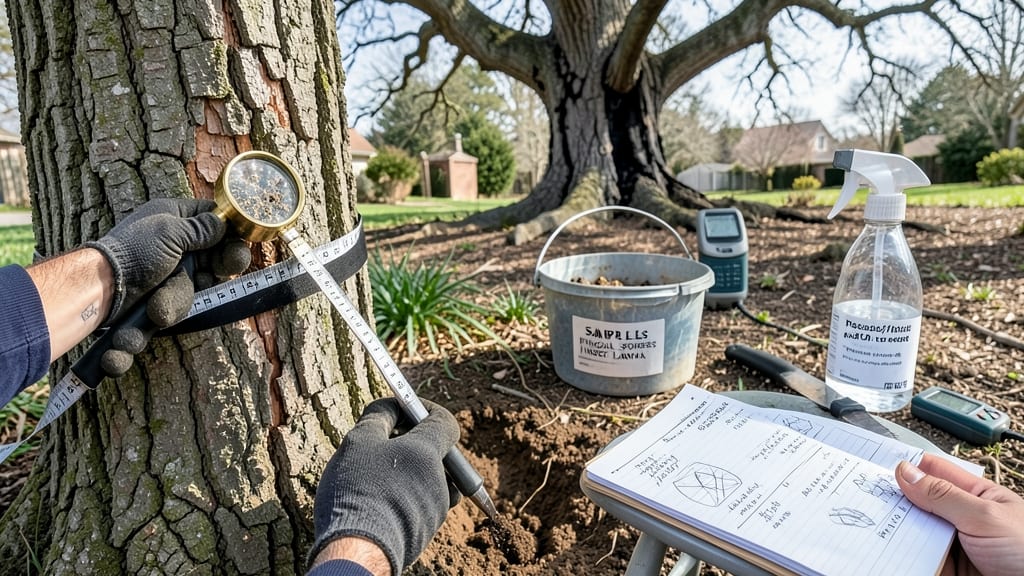
Big tree killers are primarily fungal diseases like oak wilt and anthracnose, destructive pests such as emerald ash borers, root rot caused by poor drainage, and environmental stress from prolonged drought or extreme heat. Acting quickly with proper care can save your trees from permanent damage.
Understanding these threats helps you protect your trees before they become irreversible losses. Fungal infections often start as subtle leaf discoloration but quickly spread through a tree's vascular system, cutting off nutrients. 🌳 Meanwhile, pests like the emerald ash borer tunnel beneath bark, creating pathways for secondary infections.
Even something as common as improper watering can lead to root rot, which silently weakens trees over time. The key is regular inspections—looking for early signs like wilting branches or unusual fungal growth on trunks.
Once you spot these warning signals, you can take targeted action. For example, mulching properly improves soil health, while strategic pruning removes diseased branches before the problem spreads. I always recommend testing your soil moisture levels during dry spells—overwatering or underwatering both create stress that invites pests and diseases.
When in doubt, consulting a certified arborist can mean the difference between saving a mature tree and losing it entirely.
💡 In This Article
- Identifying Common Tree Diseases and Pests
- Preventive Care for Healthy Mature Trees
Identifying common tree diseases and pests
Fungal infections like oak wilt and anthracnose attack trees by infiltrating their vascular systems. Oak wilt spreads through root grafts or sap-feeding beetles, clogging a tree's water-conducting vessels with fungal growth. This creates a vascular blockage that can kill a mature oak in just 2-4 weeks.
Anthracnose, on the other hand, thrives in wet conditions, producing dark, sunken leaf spots that eventually defoliate the tree. Both diseases start subtly—look for leaf curling or discolored veins before full symptoms appear.
Invasive pests like emerald ash borers and bark beetles work differently. The emerald ash borer's larvae tunnel beneath the bark, creating S-shaped galleries that disrupt nutrient transport.
Bark beetles, including the southern pine beetle, release toxic blue-stain fungi as they bore, turning sapwood blue and killing the tree from the inside out.
These pests often target stressed trees first, so drought or poor soil health makes them even more vulnerable. 🌳 The key is catching these early—peeling bark or D-shaped exit holes (for emerald ash borers) are dead giveaways.
Root rot, caused by fungi like Phytophthora, thrives in waterlogged soil. It starts at the roots and moves upward, turning healthy roots black and mushy. Unlike above-ground diseases, root rot symptoms appear late—wilting leaves or thin crowns often signal irreversible damage.
The fungus spreads through contaminated soil, water, or even garden tools. Environmental stress like drought or extreme heat weakens trees, making them easier targets for these hidden killers.
Understanding how these threats spread helps you act faster. Fungal spores travel via wind, rain, or infected tools, while pests hitch rides on firewood or neighboring trees. For example, oak wilt can jump 50 feet through root connections—so removing infected trees immediately prevents chain reactions.
Pests like gypsy moths defoliate trees, stressing them enough to invite secondary infections. The earlier you spot these signs—unusual leaf patterns, sawdust-like frass (from borers), or mushrooms at the base—the better your chances of saving the tree.
Don’t overlook the role of tree health in prevention. A tree with strong roots and proper nutrition can often fend off minor attacks. For instance, mulching improves soil aeration, reducing root rot risk, while pruning removes diseased branches before fungi spread.
Even something as simple as 1-2 inches of mulch (not touching the trunk) can protect roots from temperature swings that stress trees. Regular inspections—especially after storms or droughts—catch problems before they become big tree killers.
What most people miss is how interconnected these threats are. A drought-stressed oak might attract bark beetles, which then introduce blue-stain fungi. Or a poorly drained yard could foster root rot, making the tree more susceptible to fungal leaf spots.
The solution? A multi-layered approach—healthy soil, smart watering, and vigilant monitoring. Think of it like a tree’s immune system: weak in one area, and the whole system collapses. 💪