
Landscaping
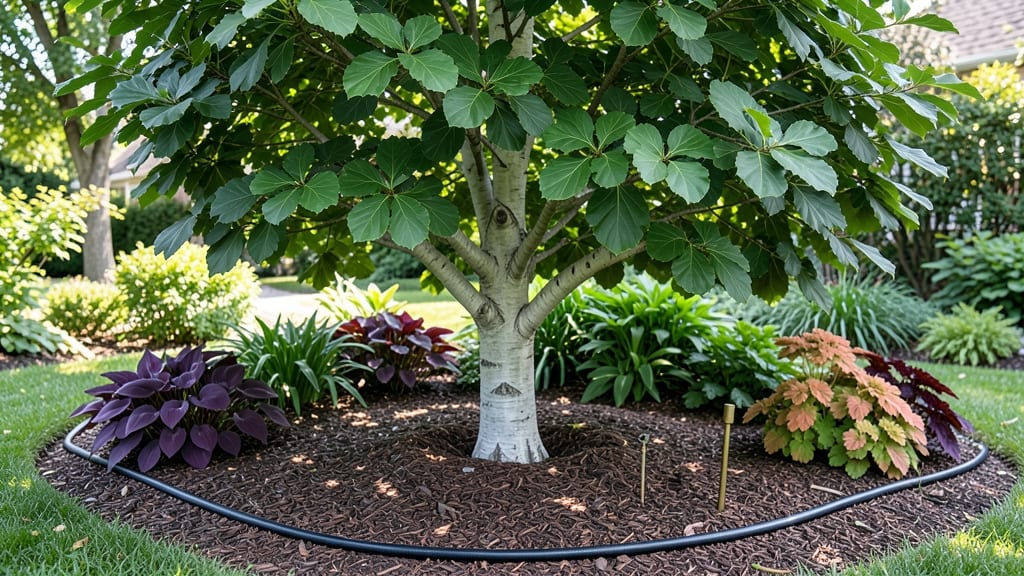
Beech tree landscaping transforms any yard into a four-season masterpiece. 🌳 I planted mine as a focal point near the patio, and now it’s the centerpiece that changes with every season—golden leaves in autumn, smooth bark in winter, and dappled shade in summer.
The key is layering: place it where its canopy will frame your home or deck while leaving room for understory plants like ferns, hostas, or shade-tolerant perennials. Beech trees thrive in well-drained soil and full to partial sun, so test your spot before planting—root rot is their biggest enemy.
You’ll love how the tree’s coppery fall foliage and silvery bark create visual interest year-round. Prune only to remove dead branches, and mulch heavily to protect roots. The result? A low-maintenance, high-impact landscape that feels like a forest retreat.
Works best in zones 4-9, though cold-hardy varieties extend its range. For smaller spaces, consider the dwarf variety—it delivers the same elegance in a compact form. Let’s design your shade haven!
📚 In This Guide
- What you need
- Instructions
- Tips and common mistakes
- Wrapping up and next steps
What you need
- ● Beech Tree Saplings: 1–3 trees (depending on spacing; Fagus sylvatica or Fagus grandifolia for native options). Choose 1.5–2 inches in caliper for mature growth.
- ● Soil Amendments: 50 lbs compost or well-rotted manure
- ● 20 lbs organic mulch (hardwood chips or pine straw)
- ○ Optional: Mycorrhizal fungi (1 lb) to boost root health
- ● Planting Supplies: 1 shovel (round-point for digging)
- ● 1 garden hose (or watering can for smaller areas)
- ● 1 pruning shears (for shaping and cleanup)
- ● 1 measuring tape (to mark planting spots)
- ● Safety Gear: Work gloves (heavy-duty for digging)
- ● Knee pads (for comfort during planting)
- ● Erosion Control: Landscape fabric or straw bales for slopes
- ● Support Structures: Tree stakes (2–3 per sapling) + soft ties
- ● Fertilizer: Slow-release balanced fertilizer (10-10-10, 5 lbs)
- ● Mulch Rings: Pre-cut mulch rings to retain moisture
- ● Drip Irrigation Kit: For automated watering (especially in dry climates)
- ● ✅ Site Assessment: Test soil pH (ideal: 6.0–7.0) and drainage. Beech trees hate soggy roots!
- ● ✅ Sunlight Needs: Full sun to partial shade (6+ hours/day for optimal growth).
- ● ✅ Spacing: Plant saplings 20–30 feet apart for mature canopies (or closer for hedgerows).
- ● ✅ Permits: Check local regulations if planting near property lines or in HOAs.
Step-by-Step guide to designing a beech tree landscaping plan
Here's how to create a balanced, year-round landscape using beech trees as your natural focal point.
🌱 Step 1: Assess Your Site and Select Varieties
Start by evaluating your landscape's light conditions and soil type—beech trees thrive in full sun to partial shade with well-drained, slightly acidic soil. American beech (Fagus grandifolia) handles a wide range of climates, while European beech (Fagus sylvatica) prefers cooler regions. I always test soil pH first; beech trees dislike alkaline conditions above 7.0.
Measure your space: mature beech trees reach 50-75 feet tall with a 30-50 foot spread. For smaller landscapes, consider dwarf varieties like 'Purpurea' or 'Laciniata'—they top out at 15-20 feet while maintaining the same elegant form. Sketch your property with existing structures and mark potential planting locations, keeping 30 feet of clearance from buildings and sidewalks.
☀️ Step 2: Layer the Understory for Year-Round Interest
Beech trees cast dense shade, so I design understory layers that thrive in 20-50% shade tolerance. Start with a 3-5 foot tall shrub layer—azaleas, rhododendrons, or ferns—followed by 1-2 foot tall ground covers like foamflower (Tiarella) or wild ginger (Asarum). These plants prevent soil erosion and maintain visual interest when the beech leaves drop in fall.
Add seasonal accents: spring bulbs like bluebells (Hyacinthoides non-scripta) bloom before the canopy closes, while fall foliage plants like Japanese maple (Acer palmatum) provide contrast when beech leaves turn golden-brown. Space these plants 18-24 inches apart to avoid competition with the beech's root system.
🪴 Step 3: Plant with Proper Spacing and Mulching
Dig planting holes twice as wide as the root ball but no deeper—beech trees hate having their roots buried too deeply. Set the tree so the top of the root ball sits 1-2 inches above ground level to prevent waterlogging. Backfill with native soil mixed with 20% compost to encourage root establishment.
Create a 3-4 foot diameter mulch ring using 3-4 inches of wood chips (avoid dyed mulch—it can harm roots). Keep mulch 6 inches away from the trunk to prevent rot. Water deeply immediately after planting, then maintain 1-2 inches of moisture weekly during the first growing season. You'll know the tree is establishing well when new shoots appear along the trunk by late summer.
✂️ Step 4: Prune for Structure and Health
Wait until late winter or early spring to prune—this is when beech trees are dormant and less susceptible to disease. Remove dead, crossing, or rubbing branches first, then thin the canopy to improve air circulation. Beech trees naturally form a rounded crown, so I only prune to maintain that shape and remove water sprouts that grow vertically from the trunk.
Never remove more than 25% of the canopy in one season—beech trees are sensitive to over-pruning. Use sharp, clean tools to make cuts just outside the branch collar. Seal larger wounds (>1 inch diameter) with pruning sealant to prevent decay. You'll notice healthier foliage and fewer pests after proper pruning.
⏰ Step 5: Maintain Seasonal Care for Longevity
Fertilize young beech trees annually in early spring with a 10-10-10 balanced fertilizer applied at ½ pound per inch of trunk diameter. Mature trees rarely need fertilization unless soil tests show deficiencies. Monitor for beech leaf disease (caused by Phyllosticta)—remove and destroy infected leaves immediately to prevent spread.
Adjust watering as the tree matures: established beech trees need 1-1.5 inches of water weekly during drought periods. In fall, reduce watering to prepare for winter dormancy. Rake up fallen leaves annually to prevent thatch buildup—beech leaves decompose slowly and can smother the understory plants.
Tips & tricks for perfect beech tree landscaping
Creating a stunning beech tree landscape takes thoughtful planning—and these pro tips will help you avoid common pitfalls while maximizing beauty and longevity.
Soil Preparation Secret: Before planting, mix in 20% compost with native soil to improve drainage and nutrient content. I've seen beech trees struggle in compacted soil, so if your native soil is heavy clay, consider amending with sand or perlite to create a looser texture. A soil test is worth the investment—beech trees thrive in slightly acidic conditions (pH 6.0-7.0), and adjusting pH can prevent nutrient deficiencies that show up as yellowing leaves.
Understory Layering Strategy: In Step 2, when selecting shade-tolerant plants, prioritize those with different bloom times to ensure year-round interest. For example, pair spring-blooming bluebells with late-season Japanese maples. I also recommend adding 1-2 foot tall ferns near the base—their delicate fronds contrast beautifully with the beech's bold foliage while suppressing weeds. Just remember to space them 18-24 inches apart to avoid competition with the tree's roots.
Pruning Precision: When pruning in Step 4, use a sharp bypass pruner to make clean cuts just outside the branch collar. I've learned the hard way that jagged cuts can invite disease. For larger branches (>1 inch diameter), seal the wound with pruning sealant immediately after cutting to prevent decay. And here's a pro move: mark branches you want to remove with white tape before making cuts—this helps you visualize the final shape and avoid over-pruning.
Seasonal Care Calendar: Create a simple checklist for Step 5 maintenance: early spring (fertilize + prune), late spring (water deeply), summer (monitor for pests), and fall (reduce watering + rake leaves). I schedule reminders on my phone because beech trees reward consistent care with healthier growth and stunning fall color. Don't forget to inspect for beech leaf disease annually—catching it early makes all the difference.
Pro Tips for Beech Tree Landscaping
- Creating a stunning beech tree landscape takes thoughtful planning—and these pro tips will help you avoid common pitfalls while maximizing beauty and longevity.
- Soil Preparation Secret: Before planting, mix in 20% compost with native soil to improve drainage and nutrient content.
- Understory Layering Strategy: In Step 2, when selecting shade-tolerant plants, prioritize those with different bloom times to ensure year-round interest.
Frequently asked questions
Got questions about transforming your yard with beech trees? Here are some of the most common concerns—and answers—to help you plan with confidence!
How fast do beech trees grow, and when will I see significant shade?
Beech trees grow at a moderate pace—about 12–24 inches per year under ideal conditions. While they won’t provide instant shade, you’ll notice noticeable canopy growth within 5–10 years. For faster results, consider planting a slightly larger sapling (5–6 feet tall) instead of a seedling.
Can I plant beech trees in containers, or do they need to be in the ground?
Beech trees thrive best in the ground, but young saplings (under 3 years old) can grow in large containers (20+ gallons) for 1–2 seasons. Use well-draining soil and repot annually. However, their deep root systems make them less ideal for long-term container gardening—transplanting to the ground is recommended once they outgrow their pot.
Why are my beech tree leaves turning brown or yellow? How do I fix it?
Brown/yellow leaves often signal drought stress, fungal issues (like powdery mildew), or nutrient deficiencies. First, check soil moisture—beech trees prefer consistently moist but well-drained soil. If fungal spots appear, apply a copper-based fungicide. For yellowing, test soil pH (ideal: 6.0–7.0) and amend with compost or a balanced fertilizer in early spring.
Are beech trees good for small yards, or do they take up too much space?
Beech trees work beautifully in small yards if you choose the right variety! European beech (Fagus sylvatica) and American beech (Fagus grandifolia) stay compact (30–50 feet tall) with proper pruning. For tighter spaces, opt for dwarf cultivars like ‘Purpurea Tortuosa’ (curled leaves) or ‘Asplenifolia’ (fern-like foliage), which max out at 15–20 feet.
Do beech trees lose their leaves in winter, and how can I protect them from cold?
Yes, beech trees are deciduous and drop leaves in fall, but their smooth gray bark adds winter charm! To shield them from harsh winds or heavy snow, mulch the base (3–4 inches of organic mulch) and water deeply before the first freeze. Young trees may benefit from a burlap wrap for extra insulation—just remove it in early spring.
Pro Tip:
Want to layer your landscaping with beech trees? Pair them with understory plants like hostas, ferns, or azaleas—their dappled shade creates a lush, multi-level garden that thrives year-round!
Wrapping up and next steps
Incorporating beech tree landscaping into your outdoor space brings year-round beauty, from golden autumn hues to lush summer canopies. These versatile trees thrive with minimal fuss, offering shade, wildlife support, and timeless elegance—perfect for creating layered, natural landscapes.
Whether you’re a seasoned gardener or just starting, beech trees are a rewarding choice for any yard.
Ready to transform your space? Start small—plant a single specimen or sketch a full design with complementary shrubs and ground cover. Your dream landscape is just a sapling away! 🌱