
Pruning
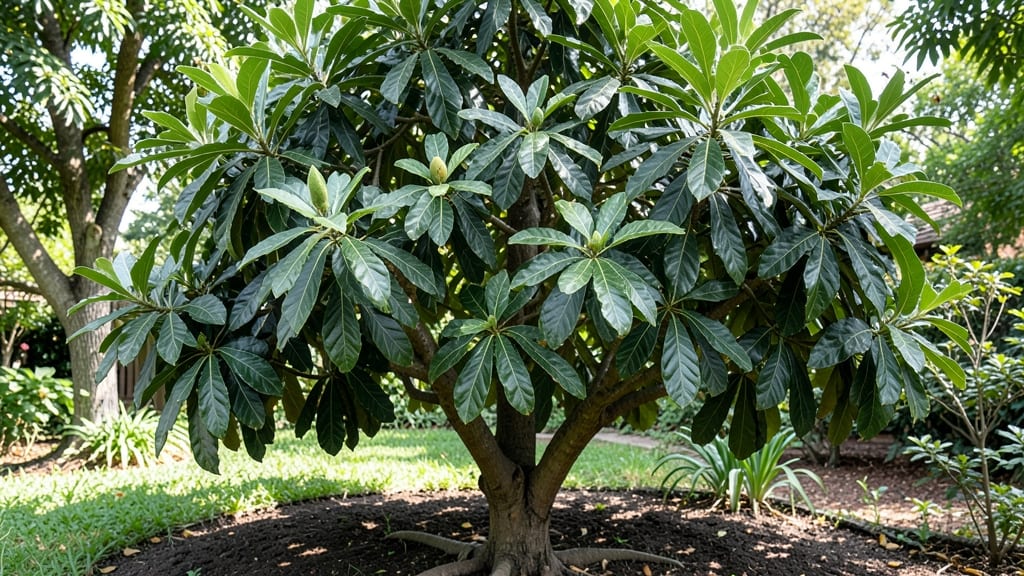
Mastering avocado tree leaf identification is your first line of defense against hidden problems. 🌿 That perfectly smooth, leathery leaf might actually be signaling root rot—or worse, a pest invasion you can't see.
I've spent years comparing healthy avocado foliage to diseased samples, and the differences reveal themselves in subtle details most gardeners miss.
The key lies in three areas: leaf shape (are edges curling?), vein patterns (do they look sunken?), and color shifts (yellowing between veins is classic for nutrient stress).
My first avocado tree nearly died because I ignored these clues until the branches started dropping. A simple leaf inspection could've saved months of frustration.
You'll learn to spot the early warning signs—like tiny white specks (mites) or sticky residue (scale)—before they spread. The solutions are often simpler than you'd think: a targeted spray for pests, adjusted watering for root rot, or a specific fertilizer blend for deficiencies.
No more guessing games with your tree's health.
This works for both Hass and Fuerte varieties, container-grown trees, and mature specimens. Whether you're troubleshooting a single leaf or assessing an entire canopy, these visual clues will help you act fast. Let's get those leaves talking to you.
Understanding Leaf Stress Triggers
Avocado tree leaves don’t just change shape or color on a whim—they’re sending you SOS signals about underlying issues. Whether it’s nutritional deficiencies, pests, or environmental stressors, each problem leaves a unique fingerprint on your tree’s foliage.
Let’s break down the science behind why your avocado’s leaves might be acting out—and how to decode their messages.
Avocado trees are heavy feeders, and when their diet is off, leaves react fast. Here’s how common deficiencies manifest—and why they happen:
- 💡 Nitrogen (N) Deficiency
- Why it happens: Nitrogen is the building block of chlorophyll, and avocados need it for lush, green growth. Soil depletion, poor organic matter, or overwatering (which leaches nutrients) can starve roots of this essential nutrient.
- Leaf clues: Older leaves turn yellow between veins (a condition called chlorosis), while new growth stays stunted or pale.
- Fix it: Apply a balanced fertilizer (like 10-10-10) in early spring, or top-dress with compost. Avoid synthetic fertilizers alone—they can burn roots.
- 🌿 Magnesium (Mg) Deficiency
- Why it happens: Magnesium is crucial for chlorophyll production, but it’s highly mobile in the plant. When levels drop, the tree recycles it from older leaves first—leaving them striped yellow while new leaves stay green.
- Leaf clues: Interveinal yellowing (between veins) on mature leaves, often with brown, crispy edges.
- Fix it: Apply Epsom salt (magnesium sulfate) to the soil (1 tbsp per gallon of water, every 4-6 weeks) or use a chelated magnesium supplement.
- 🍂 Potassium (K) Deficiency
- Why it happens: Potassium regulates water balance and disease resistance. Overwatering, sandy or acidic soils, or excessive nitrogen can lock potassium out of root uptake.
- Leaf clues: Yellowing at leaf tips or margins (often with necrotic brown edges), while veins stay green. Leaves may also curl or cup downward.
- Fix it: Use a potassium-rich fertilizer (like 0-0-50) or wood ash (sprinkle lightly around the base). Avoid over-fertilizing—too much potassium can block other nutrients!
- 🌱 Iron (Fe) Deficiency
- Why it happens: Iron is immobile in plants, meaning the tree can’t redistribute it. Alkaline soils (pH >7.5), calcium buildup, or overwatering can make iron unavailable, even if it’s in the soil.
- Leaf clues: Bright yellow leaves with green veins (classic chlorosis), starting on younger leaves.
- Fix it: Lower soil pH with sulfur or peat moss, and apply chelated iron (like Ironite) directly to the soil or as a foliar spray.
Pests don’t just eat leaves—they inject toxins, block nutrient flow, or transmit diseases that alter leaf structure. Here’s how they mess with your tree:
- 🐛 Avocado Mites (Tetranychus spp.)
- Why it happens: These microscopic pests thrive in hot, dry conditions and low humidity. They pierce leaf cells to suck sap, causing stippling (tiny white/yellow dots) and bronzing (a silvery-gray sheen).
- Leaf clues: Speckled, discolored leaves that curl upward and webbing on undersides.
- Fix it: Spray with horticultural oil (like neem oil) or insecticidal soap every 5-7 days until mites vanish. Increase humidity with mulch or drip irrigation.
- 🐛 Avocado Leaf Skeletons (Cryptophlebia illepida)
- Why it happens: The larvae of this moth chew holes in leaves, leaving only the veins intact (hence the name). They’re worst in warm, humid climates and young trees.
- Leaf clues: Ragged, lace-like leaves with frass (sawdust-like droppings).
- Fix it: Handpick larvae (they’re green with black spots) and drop them in soapy water. Use Bt (Bacillus thuringiensis) spray for organic control.
- 🐞 Scale Insects
- Why it happens: These sap-sucking pests secrete honeydew, a sticky residue that attracts sooty mold (a black fungal growth). They weaken the tree by blocking nutrient transport.
- Leaf clues: Sticky leaves with black sooty mold and small, brown bumps (the scale’s armored bodies).
- Fix it: Scrape off scale with a soft brush and spray with 70% isopropyl alcohol. Follow up with horticultural oil.
Avocado trees are tropical at heart—they hate sudden changes in temperature, water, or light. Here’s how the environment sabotages their leaves:
- 💦 Overwatering or Poor Drainage
- Why it happens: Avocados drown in soggy soil, which cuts off oxygen to roots. This triggers anaerobic conditions, where roots can’t absorb nutrients or release toxins.
- Leaf clues: Yellowing leaves that wilt or drop, even if
Quick Fixes for Common Leaf Issues
When your avocado tree’s leaves start telling a story you don’t like—whether it’s yellowing, curling, or spotted—acting fast can save your tree. Below are practical, step-by-step solutions tailored to the most common leaf problems, along with prevention tips to keep your tree thriving.
No green thumb? No problem—these fixes are simple and effective.
Cause: Yellow leaves often signal iron deficiency (chlorosis), overwatering, or poor drainage.
How to Fix It
✅ 🔥 Boost Iron Levels
- Apply chelated iron (available at garden centers) directly to the soil or spray it on leaves.
- Use Epsom salt (magnesium sulfate) for a quick fix: Mix 1 tbsp per gallon of water and spray leaves weekly.
- Avoid lime—it worsens iron uptake in acidic soil.
✅ 💧 Check Watering Habits
- Avocado trees hate soggy roots. Let the top 2–3 inches of soil dry out before watering again.
- Improve drainage by amending soil with perlite or sand if your garden retains too much moisture.
✅ 🌱 Fertilize Smartly
- Use a balanced, citrus-friendly fertilizer (like 6-6-6 or 8-3-9) every 2–3 months during growing season.
- Avoid high-nitrogen fertilizers—they burn roots and worsen yellowing.
💡 Prevention Tips
- Test soil pH (ideal: 6.0–7.0). Too alkaline? Add sulfur to lower pH.
- Mulch with compost to retain moisture without waterlogging.
- Water deeply but less often—avocado trees prefer drought over wet feet.
Cause: Curling leaves usually mean mites, aphids, or environmental factors like windburn or temperature swings.
How to Fix It ✅ 🔪 Pest Control - Spray with neem oil (mix 1 tbsp neem oil + 1 tsp mild soap + 1 quart water).
Reapply every 5–7 days for 2–3 weeks. - Blast off pests with a strong hose spray (early morning works best). - Introduce beneficial insects like ladybugs or lacewings to eat mites naturally.
✅ 🌡️ Shield from Harsh Conditions
- Move potted trees to a sheltered spot if exposed to strong winds or direct sun.
- Avoid cold drafts—avocado trees hate temps below 30°F (–1°C). Use burlap wraps in winter if needed.
💡 Prevention Tips
- Inspect leaves weekly—catch pests early!
- Prune for airflow—thin out dense branches to reduce humidity (which attracts mites).
- Use reflective mulch (like aluminum foil) to deter pests.
Cause: Dry, crispy leaf edges mean underwatering, salt buildup from tap water, or low humidity.
How to Fix It
✅ 💧 Hydrate Properly
- Water deeply (soak the root zone until water drains out the bottom).
- Use rainwater or filtered water—tap water’s chlorine/salt can damage leaves.
- Soak roots in water for 10–15 minutes if the soil is bone-dry.
✅ 🧼 Flush Out Salt Buildup
- Run a hose through the soil for 10–15 minutes to leach out excess salts.
- Add organic matter (compost or coconut coir) to improve soil structure.
💡 Prevention Tips
- Mulch heavily (3–4 inches) to retain moisture.
- Group plants together to increase humidity around leaves.
- Avoid overhead watering—wet leaves can develop fungal issues.
Cause: Dark spots, holes, or oily patches mean fungal diseases (like anthracnose) or bacterial infections.
How to Fix It
✅ 🍄 Treat Fungal Issues
- Prune infected leaves with sterilized shears (wipe with rubbing alcohol).
- Spray with copper fungicide (follow label instructions) every 7–10 days.
- Improve airflow by thinning foliage or pruning dense branches.
✅ 🦠 Fight Bacterial Infections
- Remove and destroy infected leaves (don’t compost them!).
- Apply a baking soda spray (1 tsp baking soda + 1 quart water + a drop of soap) weekly.
- Avoid overhead watering—water at the base of the tree instead.
💡 Prevention Tips
- Sterilize pruners before and after use.
- Water in the morning so leaves dry quickly.
- Avoid wetting leaves when irrigating.
To keep your avocado tree’s leaves lush and healthy, follow this quick maintenance routine:
- 🌡️ Monitor temperature—keep it between 60–85°F (15–29°C).
- 💧 Water wisely—deep but infrequent is key.
- 🍃 Inspect leaves weekly—early detection = easier fixes.
- 🌱 Fertilize seasonally—spring and summer are growth peaks.
- 🪴 Prune strategically—remove dead/diseased leaves to improve airflow.
Remember: Most leaf problems are fixable—just act fast and adjust care based on what your tree is really telling you! 🌿✨
Frequently asked questions
How can I tell if an avocado tree leaf is healthy?
Healthy avocado leaves are deep green, leathery, and smooth-edged with prominent veins that don’t curl. Look for no yellowing, no spots, and no webbing—these are key indicators. The leaf should feel firm and slightly waxy to the touch.
What do yellow leaves on my avocado tree mean?
Yellowing leaves usually signal nutrient deficiencies (like iron or magnesium) or overwatering. Check if yellowing starts between veins (iron deficiency) or at leaf edges (potassium deficiency). If soil stays soggy, roots may be drowning—let the top 2-3 inches dry out before watering again.
Can I identify avocado tree pests just by looking at the leaves?
Yes! Tiny white specks or webbing mean mites, while sticky residue with black mold indicates scale insects. Ragged holes with sawdust-like droppings? That’s leaf skeleton caterpillars. For mites, spray with neem oil; for scale, wipe leaves with rubbing alcohol.
Why do my avocado tree leaves curl upward?
Curling leaves often mean mites, aphids, or environmental stress like windburn. Check leaf undersides for pests first. If none are found, protect your tree from direct sun or cold drafts—avocados hate temperatures below 30°F (-1°C). Move potted trees to sheltered spots.
How do I know if my avocado tree has root rot?
Root rot shows up as yellowing leaves that wilt or drop, even when soil feels moist. Gently scratch the soil surface—if roots smell rotten or look mushy/brown, you’ve got root rot. Stop watering immediately, improve drainage with perlite, and repot if needed using fresh, well-draining soil.