
Diseases
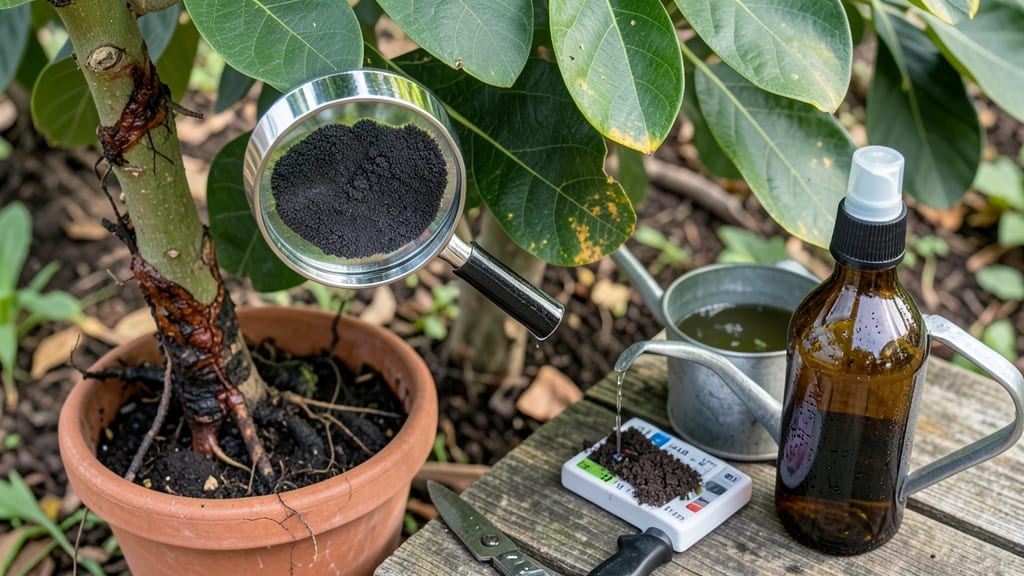
Spotting avocado tree diseases in pictures before they spread could save your harvest. 🌿 These 15 common diseases show up in telltale patterns—yellow rings, black streaks, or powdery coatings—that help you diagnose fast. I’ve seen firsthand how a single missed spot can turn into a full-blown crisis if ignored.
Each disease has a signature look: some appear as greasy black patches, others as sunken brown lesions, or even white cottony growths. The key is catching them early when treatment is simplest—often just pruning infected branches and applying copper spray. My trees stayed healthy after I learned these visual cues.
You’ll recognize the differences between root rot’s foul smell and anthracnose’s crinkled leaves, plus when to call an arborist versus DIY fixes. The right approach depends on whether it’s a soil-borne issue or an airborne fungus.
This guide turns guesswork into confidence. By the end, you’ll spot trouble before it starts—and keep your avocado tree thriving year after year.
Root Causes Of Avocado Tree Illnesses
Avocado trees, like all plants, are vulnerable to diseases due to a mix of biological, environmental, and human factors. Understanding why these problems arise helps you take proactive steps to protect your tree. Below, we break down the most common culprits behind avocado tree diseases—from microscopic invaders to simple oversight.
Most avocado tree diseases are caused by pathogens—organisms that thrive in specific conditions and exploit weaknesses in your tree. Here’s how they strike:
- Fungal spores: Fungi like Phytophthora cinnamomi (root rot) and Colletotrichum (anthracnose) spread via wind, water, or contaminated tools. They latch onto wounds, weak bark, or overripe fruit, multiplying in moist, warm environments. 🌡️ Pro tip: Fungal spores can lie dormant in soil for years, so even healthy-looking trees may be at risk.
- Bacteria: Xanthomonas campestris (bacterial spot) enters through leaf wounds or rain splashes. Unlike fungi, bacteria multiply rapidly in wet conditions, clogging vascular tissue and causing wilting or blackened spots.
- Viruses: Spread by sap-sucking insects (like aphids or mites), viruses (e.g., Avocado Sunblotch Virus) weaken trees over time. They don’t kill instantly but stunt growth, distort leaves, and reduce fruit quality.
Actionable fix: Remove infected plant debris immediately, sterilize pruning tools with 70% isopropyl alcohol, and avoid overhead watering to limit pathogen spread.
Avocado trees are sensitive to their surroundings. Poor environmental conditions create the perfect storm for disease—literally. Here’s how:
| Factor | How It Triggers Disease | Red Flags |
|---|---|---|
| Overwatering or poor drainage | Soggy roots suffocate the tree, inviting Phytophthora (root rot). Waterlogged soil also reduces oxygen, stressing roots and making them vulnerable to attack. | Yellowing leaves, mushy stems, foul-smelling soil. |
| Drought stress | Dry conditions weaken the tree’s defense barriers, making it easier for pests and fungi to penetrate. Cercospora (leaf spot) thrives when leaves are already dehydrated. | Cracked soil, curled/drooping leaves, premature fruit drop. |
| Extreme temperature swings | Frost damages cell walls, creating entry points for bacteria. Heat stress (above 95°F) also reduces chlorophyll production, leaving leaves vulnerable to sun scorch and fungal infections. | Brown leaf edges, blistered fruit, stunted new growth. |
| High humidity | Moisture lingers on leaves, trapping fungal spores (like Colletotrichum) against the plant. Ideal conditions for 24–48 hours of leaf wetness can trigger outbreaks. | White powdery mold, dark circular spots, sticky residue (honeydew from pests). |
Actionable fix:
- Test soil drainage—amend with compost or perlite if compacted.
- Water deeply but infrequently (1–2 inches per week, depending on climate).
- Use mulch to regulate soil temperature and retain moisture without suffocating roots.
- Prune for airflow—avoid dense canopies that trap humidity.
Even the most resilient avocado tree can fall prey to diseases caused by human mistakes. Here’s what you might be doing wrong:
- Improper pruning: Cutting too late in the season (fall/winter) or using dull, contaminated tools creates open wounds where pathogens enter. Pro tip: Prune only during dry periods and seal cuts with pruning sealant if your tree is disease-prone.
- Ignoring pests: Insects like avocado lace bugs or scale insects weaken trees by feeding on sap, leaving them susceptible to secondary infections. Their sticky residue (honeydew) also fosters sooty mold.
- Over-fertilizing: Excess nitrogen promotes soft, lush growth that’s more attractive to pests and prone to fungal infections. A balanced 2-3-1 NPK ratio (nitrogen-phosphorus-potassium) is safer.
- Planting in the wrong location: Shady spots or areas with poor air circulation increase humidity around the tree, while windburn (from exposed sites) weakens leaves.
Actionable fix:
- Inspect trees monthly for pests—use neem oil or insecticidal soap as a preventative.
- Fertilize only in spring with organic matter (compost or worm castings) to avoid chemical burns.
- Choose a sunny, slightly elevated spot with 6+ hours of light and protection from strong winds.
By addressing these root causes—pathogens, environment, and human habits—you’ll dramatically reduce your avocado tree’s risk of disease. Early intervention (like removing infected leaves or adjusting watering) often means the difference between a recoverable setback and a fatal infection.
Fixing Avocado Tree Diseases Step-by-Step
Avocado trees are resilient, but when diseases strike, quick action can mean the difference between a thriving orchard and irreversible damage. Below are practical, step-by-step solutions tailored to common fungal and bacterial infections, along with prevention tips to keep your tree healthy for years to come.
Signs: Yellowing leaves, wilting, soft stems, and a foul smell at the base. Cause: Overwatering, poor drainage, or contaminated soil.
🔥 Immediate Action: Drainage & Fungicide
- Stop watering immediately—let the soil dry out completely for 3–5 days.
- Improve drainage by: - Raising the tree on a mound of soil or gravel (if in a pot). - Amending heavy clay soil with sand or perlite (mix 20% into the top 12 inches). - Installing French drains if water pools around the base.
- Apply a copper-based fungicide (like Copper Sulfate) or Phytophthora-specific treatments (e.g., Subdue MAXX or Aliette). - Follow label instructions for concentration and reapplication (every 2–4 weeks during wet seasons).
- Prune infected roots (if visible) with sterilized pruners (soak in 10% bleach solution for 10 mins).
🌡️ Prevention for Long-Term Health
- Water deeply but infrequently—avocados hate soggy feet!
Aim for 1–1.5 inches per week (adjust for rain). - Mulch properly: Use wood chips or straw (3–4 inches thick) but keep it 6 inches away from the trunk to prevent rot. - Test your soil—ideal pH is 6.0–7.0.
Amend with lime if too acidic. - Avoid overhead watering—use drip irrigation to keep foliage dry.
Signs: Dark, sunken spots on leaves, premature leaf drop, and stunted growth.
🍳 Clean & Protect the Foliage
- Remove infected leaves immediately—bag and compost them away from the garden (do not mulch back into soil).
- Prune affected branches to improve airflow—thin out dense foliage by 20–30%.
- Apply a fungicide spray (rotate these for best results): - Neem oil (1 tsp per liter of water + a drop of dish soap as a surfactant). - Bordeaux mixture (copper sulfate + hydrated lime—use early in the season). - Systemic fungicides like Chlorothalonil or Myclobutanil for severe cases.
- Spray undersides of leaves—fungi love hiding there!
🎯 Prevention Tips
- Water in the morning so leaves dry by afternoon.
- Space trees properly—avocados need 15–20 feet between them for airflow.
- Sanitize pruners between cuts with rubbing alcohol.
- Avoid nitrogen-heavy fertilizers—too much softens leaves, making them vulnerable.
Signs: Oozing, sunken lesions on branches/stems, wilting, and blackened bark.
🔪 Surgical Strike & Copper Care
- Prune infected branches at a 45-degree angle, cutting 6 inches below the lesion into healthy tissue.
- Burn or bag pruned material—do not compost (bacteria can survive).
- Disinfect cuts with a copper-based spray (like Copper Soap).
- Apply a protective wound sealant (e.g., Tree Seal Tape) to large cuts.
✨ Prevention Strategies
- Avoid wounding the tree—use sharp, sterilized tools for pruning.
- Reduce stress—ensure consistent watering and balanced fertilization (too much nitrogen = weak defenses).
- Plant resistant varieties if possible (e.g., Hass avocados are less prone than some others).
- Monitor regularly—check leaves, stems, and soil every 2 weeks during growing season.
- Rotate fungicides—don’t rely on one product to avoid resistance.
- Strengthen the tree—feed with compost tea or kelp meal to boost natural defenses.
- Quarantine new plants—keep them separate for 30 days before adding to your orchard.
By acting fast and staying proactive, you can reverse damage and protect your avocado tree from future outbreaks. 🌿🛡️ Healthy trees mean more fruit, fewer headaches, and a thriving garden!
Frequently asked questions
How can I tell if my avocado tree has a fungal disease just by looking?
Look for distinctive visual patterns: fungal diseases often show up as powdery white coatings (like powdery mildew), greasy black spots (anthracnose), or yellow rings with dark borders (leaf spot). Check both leaf tops and undersides—fungi love hiding there! If you see cottony growths or dark, sunken lesions, that’s a strong fungal red flag.
Can I use the same fungicide spray for all avocado tree diseases?
No—different diseases need different treatments. Copper-based sprays work for many fungal issues, but bacterial problems (like bacterial spot) require copper + streptomycin. Always match the fungicide to the specific disease. For example, Phytophthora root rot needs specialized treatments like Subdue MAXX, while anthracnose responds well to neem oil.
What’s the fastest way to confirm if my tree has a disease without a lab test?
Compare your symptoms to high-quality reference images (like those in this guide) and check for these key clues: leaf discoloration patterns, stem lesions, or unusual growths. Use a magnifying glass to spot fungal spores or bacterial ooze. If symptoms match multiple diseases, focus on the most aggressive one first—like root rot over leaf spots.
Will my avocado tree survive if I don’t treat a disease immediately?
Some mild cases (like early-stage leaf spot) may resolve on their own, but fungal root rot or bacterial infections can kill a tree in weeks if untreated. The key is acting before 50% of the leaves show symptoms. Prune infected areas immediately and apply targeted treatments—early intervention saves 90% of trees!
Can I save my avocado tree if the trunk shows blackened bark?
Yes, but act fast! Clean the bark with a copper-based scrub, prune dead tissue 6 inches below the damage, and seal cuts with tree wound sealant. For severe cases, consult an arborist—some trunk diseases (like stem canker) may require professional intervention to prevent spread.