
How To
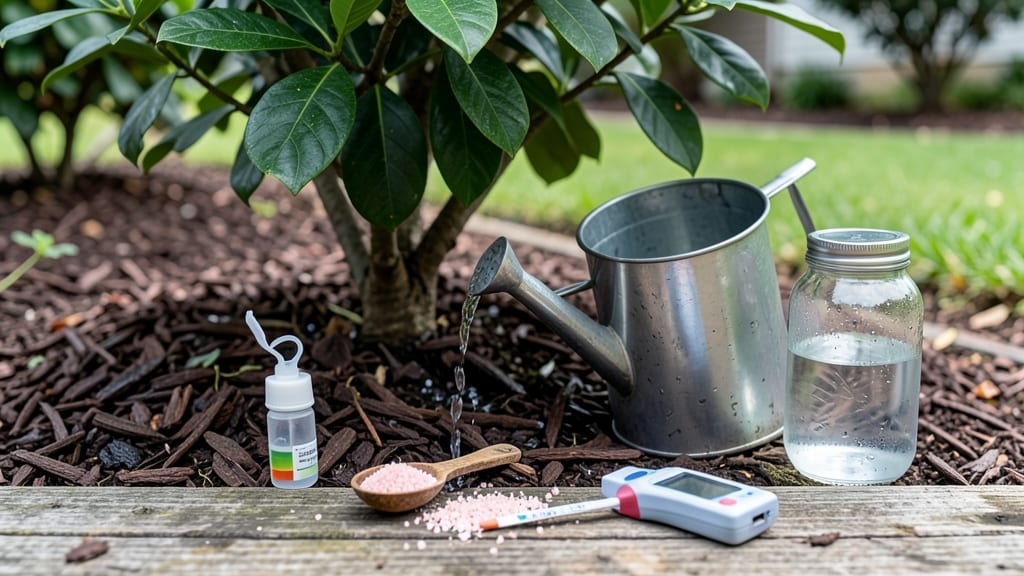
Brown leaf tips on your avocado tree scream one thing: stress. 🌿 Whether it's thirst, overwatering, or hidden pests, I've seen this problem turn into a full-blown crisis when ignored—but it's almost always fixable with the right approach. The key is diagnosing the exact cause before jumping to solutions.
Most brown tips start with watering gone wrong—either too much or too little. Stick your finger 2 inches into the soil: if it's bone-dry, you're underwatering; if it's soggy, you're drowning the roots.
Avocados hate wet feet but also need consistent moisture. Pests like spider mites or scale can also leave browned edges, especially on the undersides of leaves.
Here's where the 3-step fix begins: adjust your watering schedule, wipe down leaves with neem oil, and check for nutrient deficiencies (yellowing between veins means it's time for fertilizer). Within weeks, you'll see new growth pushing out with vibrant green edges—proof the tree is recovering.
Prevention is easier than repair: water deeply but infrequently, mulch to retain moisture, and inspect leaves monthly. If the problem spreads despite your efforts, it might be time to consult a local arborist—some issues, like root rot, need professional intervention to save the tree.
Root Causes Behind Brown Tips
Understanding why your avocado tree’s leaves develop brown tips is the first step to fixing the issue. Often, multiple factors—some environmental, some care-related—work together to create this telltale sign of distress.
Below, we break down the most common culprits and the science behind them, so you can pinpoint the exact issue plaguing your tree.
Avocado trees (Persea americana) are sensitive to soggy roots, and excess moisture triggers a cascade of problems. When soil stays too wet, roots struggle to absorb oxygen, leading to root rot (Phytophthora or Fusarium fungi).
As the roots weaken, the tree can’t efficiently transport water and nutrients to the leaves, causing marginal browning (often paired with yellowing or wilting).
- Why it happens:
- Clay-heavy or compacted soil holds water like a sponge, suffocating roots.
- Overzealous watering (especially on a schedule) without checking soil moisture.
- Lack of drainage holes in pots or a raised garden bed that traps water.
- Cold, wet soil in winter slows root activity, exacerbating stress.
- Actionable clue: Brown tips plus mushy, foul-smelling roots confirm overwatering. Tap the soil—if it’s damp more than 2 inches down, you’re overdoing it.
Ironically, brown leaf tips can also signal thirst—especially in sandy or fast-draining soils. When roots dry out, the tree loses turgor pressure, and leaf edges crisp up as cells dehydrate.
Additionally, fertilizer salts (like from synthetic nutrients) can accumulate in the soil, creating a hypertonic environment that blocks water uptake, mimicking drought stress.
- Why it happens:
- Infrequent watering (e.g., waiting until the soil is bone-dry).
- Hard water (high in calcium/magnesium) leaves mineral deposits on roots.
- Over-fertilizing, particularly with high-salt formulations (e.g., synthetic blooming fertilizers).
- Evaporative loss in hot, dry climates or near heaters/AC vents.
- Actionable clue: Check the soil moisture at root level (not just the surface). If the top 1–2 inches are dry but deeper soil is moist, your tree may be root-bound or in a pot with poor water distribution.
Avocado trees thrive in tropical conditions (70–85°F) and hate sudden extremes. High temperatures, dry air, or scorching winds cause leaf edges to lose moisture faster than the center, leading to desiccation (browning from evaporation).
Young leaves are especially vulnerable because their cuticle (waxy layer) isn’t fully developed.
- Why it happens:
- Direct sunlight + low humidity (e.g., indoor avocados near heaters or in winter).
- Cold drafts (e.g., AC vents, open windows in winter) shock the tree.
- Salt spray from coastal winds or de-icing salts in urban areas.
- Transpiration imbalance: Roots can’t supply enough water to match leaf evaporation rates.
- Actionable clue: Brown tips on only the newest growth or leaves facing the sun/wind point to environmental stress. Older leaves may stay green but feel papery or brittle.
Pathogens like anthracnose (Colletotrichum) or bacterial leaf spot (Xanthomonas) thrive in warm, humid conditions and cause brown, crinkled, or oily-looking tips. These infections often start as small dark spots that expand and turn necrotic (dead tissue).
Unlike physical stress, infected leaves may also show yellow halos or blackened veins.
- Why it happens:
- Overhead watering (leaves stay wet for >12 hours, ideal for spores).
- Poor air circulation (e.g., crowded pots or dense foliage).
- Weakened tree from prior stress (e.g., overwatering, nutrient deficiency).
- Contaminated tools or soil spreading pathogens.
- Actionable clue: Scrape a brown tip—if it reveals black specks (fungal spores) or slime (bacteria), you’ve got an infection. Prune affected leaves with sterilized shears and avoid wetting foliage.
Brown tips can also signal micronutrient deficiencies, particularly potassium (K), calcium (Ca), or magnesium (Mg).
These minerals regulate osmotic balance in cells—without them, leaf edges burn as the tree struggles to retain water. Nitrogen (N) deficiency (though rarer) can also cause browning, often paired with yellowing between veins (chlorosis).
- Why it happens:
- Potassium deficiency: Weakens cell membranes, making edges prone to oxidative damage.
- Calcium deficiency: Disrupts middle lamella (the "glue" between cells), causing tips to slough off.
- Magnesium deficiency: Chlorophyll breakdown leads to interveinal yellowing, then browning.
- Soil pH imbalance: Locks out nutrients (e.g., acidic soil <5.5 reduces magnesium availability).
- Actionable clue: Test your soil (or use a DIY kit)—deficiencies often show as uniform browning on older leaves first (since nutrients are "mined" from lower leaves). A leaf test can confirm specific deficiencies.
Sometimes, mechanical injury or pests chew leaf edges, creating brown, jagged tips. Common culprits include:
- Spider mites (tiny webs + stippled leaves).
- Thrips (silver streaks on leaves).
- Scale insects (sticky residue or black sooty mold).
- Hail/wind damage (irregular tears).
- Why it happens:
- Pests feed on sap, disrupting nutrient flow and causing necrosis.
- Physical trauma (e.g., rough handling) breaks cell walls, leading to oxidative browning.
- Actionable clue: Inspect the underside of leaves for pests or uneven browning patterns. Wipe a leaf with a damp cloth—sticky residue = sap-sucking insects.
Fixing Your Avocado Tree’s Brown Tips
Now that you know the likely culprits behind those pesky brown leaf tips on your avocado tree, it’s time to roll up your sleeves and bring back that lush, vibrant green. The good news?
Most fixes are simple, cost-effective, and require minimal effort. Below, we’ve mapped out practical solutions for each common cause, along with prevention tips to keep your tree thriving long-term.
If your avocado tree’s brown tips are a sign of root stress from soggy soil, here’s how to fix it:
🔥 Step 1: Let the Soil Dry Out
- Stop watering immediately if the top 1–2 inches of soil are damp.
- Avocado trees prefer well-draining soil—if water pools in the saucer or container, empty it after 10–15 minutes of watering.
- Pro Tip: Stick your finger 2 inches deep into the soil before watering.
If it’s dry, water; if it’s moist, wait.
🍳 Step 2: Improve Drainage
- Repot if needed: If your tree is in a container, ensure it has drainage holes.
If not, transfer it to a pot with holes. - Amend heavy soil: Mix in perlite, sand, or coconut coir (20–30%) to improve aeration. - Raise the pot: Place it on elevated feet (like pot feet or bricks) to prevent waterlogging.
👨🍳 Step 3: Water Smarter
- Water deeply but less often—avocado trees hate "wet feet."
Aim for once every 7–10 days (adjust for climate). - Water at the base (not the leaves) to avoid fungal issues. - 💡 Prevention Tip: Use a moisture meter to track soil conditions—no more guesswork!
If brown tips are crispy or papery, your avocado tree might be sunburned or wind-scored. Here’s how to protect it:
🔪 Step 1: Provide Partial Shade
- Move your tree to a spot with morning sun and afternoon shade (especially in hot climates).
- Use a light shade cloth (30–50%) if outdoor conditions are harsh.
- Indoor trees? Keep them 3–6 feet from a south-facing window (avoid direct midday sun).
🌡️ Step 2: Wind Protection
- If outdoor winds are strong, place the tree near a fence or wall to act as a windbreak.
- Gently mist leaves on extremely windy days to prevent dehydration.
✨ Prevention Tip:
- Acclimate gradually if moving a tree outdoors. Start with 1–2 hours of sun/day, then increase slowly over 1–2 weeks.
Brown tips can also signal nutrient imbalances—either a lack of key minerals or too much fertilizer. Here’s how to diagnose and fix:
📊 Step 1: Test Your Soil
- Use a simple soil test kit (available at garden centers) to check pH (6.0–7.0 ideal) and nutrient levels.
- Quick fix: If soil is compacted, loosen the top 4–6 inches with a fork to improve root access to nutrients.
💪 Step 2: Fertilize Correctly
- For deficiency: Use a balanced fertilizer (6-6-6 or 10-10-10) or a citrus/avocado-specific blend (high in nitrogen, potassium, and micronutrients like zinc and magnesium).
- For over-fertilizing: Flush the soil with water to leach excess salts.
Repeat weekly until brown tips improve. - 🎯 Feeding schedule: - Spring/Summer: Fertilize every 4–6 weeks. - Fall/Winter: Reduce to every 8–12 weeks (growth slows).
🥗 Step 3: Boost Micronutrients
- Epsom salt soak (for magnesium): Mix 1 tbsp Epsom salt per gallon of water and apply to soil monthly.
- Seaweed extract spray: Spray leaves with diluted seaweed extract (1 tbsp/gallon) for a nutrient boost.
💡 Prevention Tip:
- Avoid synthetic fertilizers if possible—opt for organic options like compost tea or worm castings to prevent salt buildup.
If brown tips are accompanied by sticky residue, holes, or mold, pests or disease may be the culprit.
🔍 Step 1: Identify the Problem
- Spider mites/scale: Look for tiny webs or bumps on leaves/stems.
- Fungal issues (like root rot): Check for mushy stems or yellowing leaves.
- Bacterial leaf spot: Brown spots with yellow halos may indicate infection.
🛡️ Step 2: Treat Accordingly
| Issue | Solution |
|---|---|
| Spider mites | Spray with neem oil (1 tsp/gallon water) or insecticidal soap. Repeat weekly. |
| Scale insects | Scrape off with a soft brush or use horticultural oil. |
| Fungal disease | Apply copper fungicide or baking soda spray (1 tbsp baking soda + 1 tsp oil per gallon water). |
| Root rot | Repot in fresh, sterile soil and trim affected roots with sterilized scissors. |
🌡️ Prevention Tip:
- Quarantine new plants for 2 weeks before introducing them to your avocado tree.
- Prune regularly to improve airflow and reduce humidity (which pests love).
No matter the issue, these quick fixes can help your avocado tree bounce back:
- Trim damaged leaves with sterilized scissors to redirect energy to healthy growth.
- Mist leaves daily if humidity is low (avocado trees love 50–70% humidity).
- Rotate the pot occasionally so all sides get equal light.
Remember: Patience is key—some trees take 4–8 weeks to show improvement. Stick with your fixes, and soon, your avocado tree will be flaunting lush, green leaves again! 🌿✨
Frequently asked questions
Why do my avocado tree leaves only get brown tips and not turn completely brown?
This is a classic sign of marginal burn, usually caused by water stress (either overwatering or underwatering) or environmental factors like low humidity or salt buildup. The edges dry out first because they have fewer protective cells than leaf centers. Check soil moisture 2 inches deep—if it's too wet or bone-dry, that's likely your issue.
Can I save my avocado tree if the brown tips have spread to half the leaf?
Yes, but act fast! Trim the damaged portions with sterilized scissors to prevent spread. Focus on fixing the root cause (watering, nutrients, or pests) and maintain 50-70% humidity with a pebble tray or misting. New growth should emerge green within 4-6 weeks if the tree's core is healthy.
How often should I fertilize my avocado tree to prevent brown tips?
Use a balanced citrus/avocado fertilizer (6-6-6 or 10-10-10) every 4-6 weeks in spring/summer and reduce to every 8-12 weeks in fall/winter. Over-fertilizing causes salt buildup, which blocks water uptake and triggers browning. Always water thoroughly after fertilizing to flush excess salts.
Are brown leaf tips always a sign of a problem, or is it normal?
Some natural leaf drop occurs, but persistent brown tips are never normal—they signal stress. Healthy avocado leaves should be deep green and glossy. Even small amounts of browning mean your tree needs attention. The key is acting before 25% of leaves show symptoms.
What's the fastest way to tell if my avocado tree has root rot?
Gently remove the tree from its pot and check the roots: healthy roots are white/firm, while rotten roots are brown/mushy and smell foul. If you see these signs, repot immediately in fresh, sterile soil and trim affected roots with sterilized shears. Avoid watering for 3-5 days to let roots recover.