
Pruning
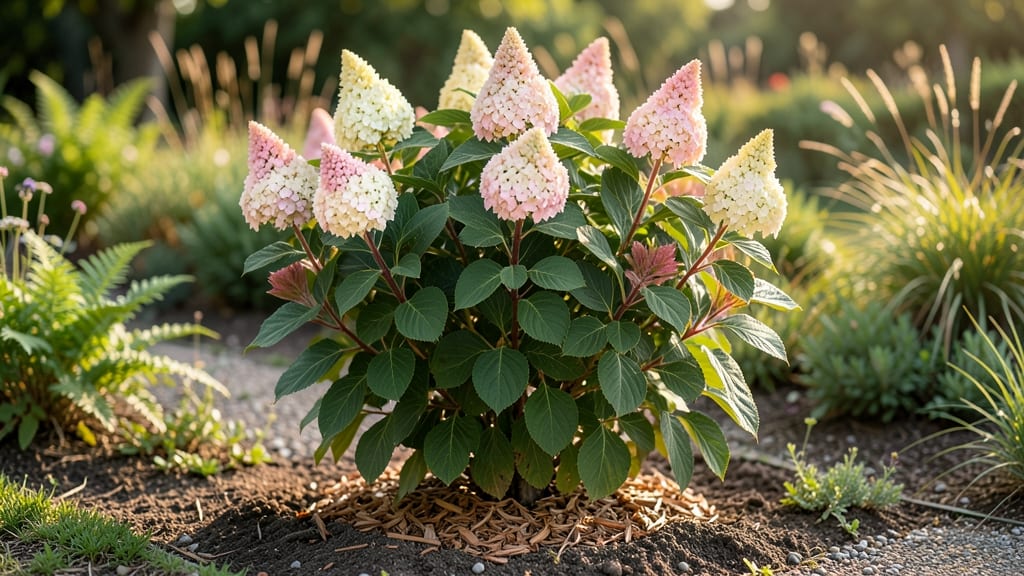
Growing a Pee Gee tree hydrangea means summer blooms that last until frost—and I’ve learned the pruning tricks that make all the difference. 🌿 These towering beauties thrive on bold cuts, but most gardeners either prune too late or too aggressively, leaving their plants confused.
The secret lies in timing: prune in late winter or early spring before new growth starts, and you’ll trigger a flush of massive, cone-shaped blooms that turn pink in fall.
This hydrangea loves sun and isn’t fussy about soil, but it does need room to stretch—up to 15 feet tall and wide if left unpruned. I’ve grown mine in full sun with average garden soil, and it rewards me with blooms from mid-summer until hard frost.
The key is balancing pruning to keep it shapely while encouraging that dramatic late-season color shift.
By the end of summer, you’ll have a statement plant that outshines anything else in the garden. The blooms start green, mature to white, and blush pink in fall—plus, they’re deer-resistant, which is a bonus where I live. Just avoid heavy pruning in fall, or you’ll lose next year’s flowers.
Whether you’re starting with a bare-root plant or pruning an overgrown shrub, this guide covers the exact steps to keep your Pee Gee tree hydrangea thriving for decades. Let’s get those shears ready!
📚 In This Guide
- What you need
- Instructions
- Tips and common mistakes
- Wrapping up and next steps
What you need
- ● Pee Gee Tree Hydrangea (Hydrangea paniculata 'Grandiflora') – Ensure it’s healthy and established (3+ years old for best results).
- ● Pruning shears – Bypass pruners (sharp, 6-8" blades) for clean cuts. Dull blades crush stems—avoid this!
- ● Loppers – For thicker branches (1-2" diameter). Choose bypass-style for precision.
- ● Garden gloves – Cut-resistant (e.g., Mechanix or heavy-duty leather) to protect hands from thorns and sap.
- ● Disinfectant (70% isopropyl alcohol or 10% bleach solution) – 1 part bleach to 9 parts water to sterilize tools between cuts and prevent disease.
- ○ Pruning sealant (optional but helpful) – Tree wound paint (e.g., Tanglefoot Tree Wound Pruning Seal) for cuts larger than ½".
- ● Sturdy ladder or step stool – For reaching higher branches (ensure it’s stable and rated for your weight).
- ● Safety glasses – Protects eyes from debris or sap splashes.
- ● Heavy-duty trash bags – For collecting pruned branches (2-3 large bags).
- ● Notebook & pencil – To sketch a pruning map of your hydrangea’s structure before cutting.
- ● Know your hydrangea’s age – Pee Gee Tree Hydrangeas bloom on new wood, so timing and cuts depend on maturity.
- ● Check the weather – Prune on a dry, overcast day (avoid extreme heat or frost).
- ● Gather inspiration – Study reference photos of pruned Pee Gee Tree Hydrangeas for shape goals.
Step-by-step guide to pruning Pee Gee Tree hydrangeas
Here’s the straightforward approach I’ve used to keep my Pee Gee hydrangeas flowering like crazy every year—no guesswork, just results.
✂️ Step 1: Identify the Right Time for Major Pruning
Pee Gee hydrangeas bloom on new wood, so the best time to prune is late winter or early spring—just as new buds begin to swell. This is when your plant is still dormant but ready to burst into growth. I usually mark my calendar for February to March in most climates, but if you live in a warmer zone, wait until late winter when frost danger has passed.
Watch for tight buds forming at the tips of stems—that’s your signal. Pruning too early can encourage tender new growth that might get damaged by late frosts. If you miss this window, don’t panic—you can still prune in early spring as soon as buds appear, but you’ll sacrifice some of the season’s earliest blooms.
✂️ Step 2: Remove Dead, Weak, or Crossing Branches First
Start by cutting out any dead, diseased, or damaged branches—they’ll never produce flowers and can spread problems to healthy growth. Use clean, sharp pruners and make cuts at a 45-degree angle, about ¼ inch above a outward-facing bud. This encourages new growth to shoot out and away from the center of the plant.
Next, remove any branches that are rubbing against each other or growing inward. These will compete for sunlight and nutrients, leading to weak blooms. I like to step back every few cuts to visualize the plant’s shape—this helps me spot branches that are blocking light from the center. Thin out crowded areas by removing about ⅓ of the oldest stems at the base to encourage younger, stronger growth.
✂️ Step 3: Shape the Plant for Airflow and Light Penetration
Now it’s time to shape the hydrangea into an open, airy form. Start by pruning back the remaining branches by about ⅓ of their length, cutting just above a healthy bud or side branch. This keeps the plant compact while promoting bushier growth. Avoid cutting into old wood—new wood blooms only appear on the current year’s growth.
Focus on opening up the center of the plant so sunlight and air can reach all the way to the core. This prevents fungal issues and ensures even blooming. If your hydrangea has become too leggy, you can prune back even more aggressively—just leave 3-5 strong stems and cut the rest to the ground. The plant will rebound with fresh, vigorous growth.
🌿 Step 4: Light Summer Pruning to Encourage More Blooms
After the initial spring pruning, give your Pee Gee hydrangea a light trim in mid-summer to keep it looking tidy and encourage a second flush of blooms. Look for spent flowers or leggy growth and cut those back by half their length. This isn’t about drastic shaping—just a quick refresh to keep the plant from looking overgrown.
Here’s the thing: don’t go overboard. Over-pruning in summer can stress the plant and reduce fall blooms. Instead, focus on removing only the worst offenders—branches that are bare, damaged, or growing in the wrong direction. After pruning, give the plant a deep watering to help it recover and stimulate new growth.
⏰ Step 5: Fall Cleanup to Prep for Winter
As temperatures drop and leaves begin to yellow, do a final light pruning to remove any dead or diseased branches. This keeps your hydrangea healthy and reduces the risk of pests or diseases overwintering in the plant. You don’t need to do much—just tidy up and remove any remaining spent blooms at the base of the stems.
Leave the skeleton of the plant intact—this helps protect the buds from extreme cold. If you live in a Zone 5 or colder, consider mulching around the base with 2-3 inches of shredded bark or leaves to insulate the roots. This simple step can make a big difference in how well your hydrangea recovers in spring.
Tips & tricks for pruning Pee Gee Tree hydrangeas
Real talk: Pruning these beauties can feel intimidating at first, but these small adjustments will turn you into a hydrangea whisperer in no time.
Timing is Everything: If you're in doubt about whether your hydrangea is ready for pruning, here's the trick: Look for those tight, plump buds forming at the tips of stems. They should feel firm when gently squeezed—like a ripe pea. If you see any buds already opening, you've missed the ideal window for major pruning. The February-to-March timing in Step 1 is your golden window for maximum blooms next season.
Tool Technique: Don't underestimate your pruners! Always use clean, sharp tools to make precise cuts. I've ruined too many clean cuts with dull shears—it creates jagged edges that invite disease. For those 45-degree cuts mentioned in Step 2, I find it helps to practice on a scrap piece of wood first. The goal is to cut just above an outward-facing bud, so the new growth shoots away from the center. Pro tip: Wipe your pruners with rubbing alcohol between cuts on different branches.
Visualize the Shape: Step back every 5-10 minutes during your pruning session (Step 2 and 3). This might sound silly, but it's how I avoid over-pruning. Imagine your hydrangea as a vase—you want it to open wide at the top and narrow slightly toward the base. When you look from the side, you should see a natural taper. If you're cutting too much from one side, you'll end up with a lopsided plant that struggles to bloom evenly.
Summer Pruning Strategy: When you're doing that light mid-summer trim (Step 4), focus on removing only the most obvious offenders—spent blooms and leggy growth. I like to think of it as "deadheading on steroids." Cut back by half their length, but leave at least 3-5 strong stems if your plant has gotten too leggy. This encourages bushier growth without stressing the plant. Remember, summer pruning is about maintenance, not major restructuring.
Pro Tips for Pee Gee Tree Hydrangea
- Real talk: Pruning these beauties can feel intimidating at first, but these small adjustments will turn you into a hydrangea whisperer in no time.
- Timing is Everything: If you're in doubt about whether your hydrangea is ready for pruning, here's the trick: Look for those tight, plump buds forming at the tips of stems.
- Tool Technique: Don't underestimate your pruners!
Frequently asked questions
Got questions about growing and pruning your Pee Gee Tree Hydrangea?
You’re not alone! Here are some of the most common queries—plus quick, actionable answers to keep your plant thriving.
When is the best time to prune a Pee Gee Tree Hydrangea for maximum blooms?
The ideal window is late winter or early spring (just before new growth emerges). This hydrangea blooms on new wood, so pruning in late summer or fall risks cutting off next year’s flowers. For a first-time prune, aim for February or March in most climates.
How much can I trim back my Pee Gee Tree Hydrangea without harming it?
You can boldly prune up to one-third of the plant’s height without stressing it. For mature bushes, aim to shape it into an open vase form by cutting back older stems to 6–12 inches above the ground. Avoid over-pruning—this hydrangea is resilient but not indestructible!
Why aren’t my Pee Gee Tree Hydrangea blooms as big as last year?
Several factors could be at play: over-pruning (cutting into old wood), poor soil (test for pH—ideal is 5.5–6.5), or underwatering. Also, check for nutrient deficiencies (like potassium or phosphorus). If blooms are sparse, feed with a balanced fertilizer in early spring.
Can I grow a Pee Gee Tree Hydrangea in a container? If so, what size pot do I need?
Yes! This hydrangea adapts well to containers, but size matters. Use a pot at least 18–24 inches wide and deep with drainage holes. Opt for self-watering containers if you travel often, as they dry out faster than in-ground plants. Repot every 2–3 years to refresh soil.
What pests or diseases should I watch for with Pee Gee Tree Hydrangeas?
Keep an eye out for aphids, spider mites, and scale insects (wipe with soapy water if spotted). Fungal issues like powdery mildew or leaf spot can occur in humid climates—improve airflow and avoid overhead watering. For severe infestations, use neem oil or insecticidal soap.
How cold-hardy is the Pee Gee Tree Hydrangea, and do I need to protect it in winter?
This variety is zoned 4–9, meaning it tolerates temps down to -30°F. However, young plants or those in containers may need mulch or burlap wraps in harsh winters. Avoid pruning in late fall—wait until spring to prevent frost damage to new growth.
Wrapping up and next steps
Transforming your Pee Gee Tree Hydrangea into a year-round blooming beauty is totally within reach—just follow the right pruning secrets! 🌿 With the right tools, timing, and techniques, you’ll enjoy vibrant blooms and a healthier plant. Remember, consistency is key, whether you’re shaping it for summer flair or winter resilience.
Ready to take the next step? Grab your pruners, mark your calendar, and start small—your hydrangea will thank you with stunning, lush blooms season after season!