
Pruning
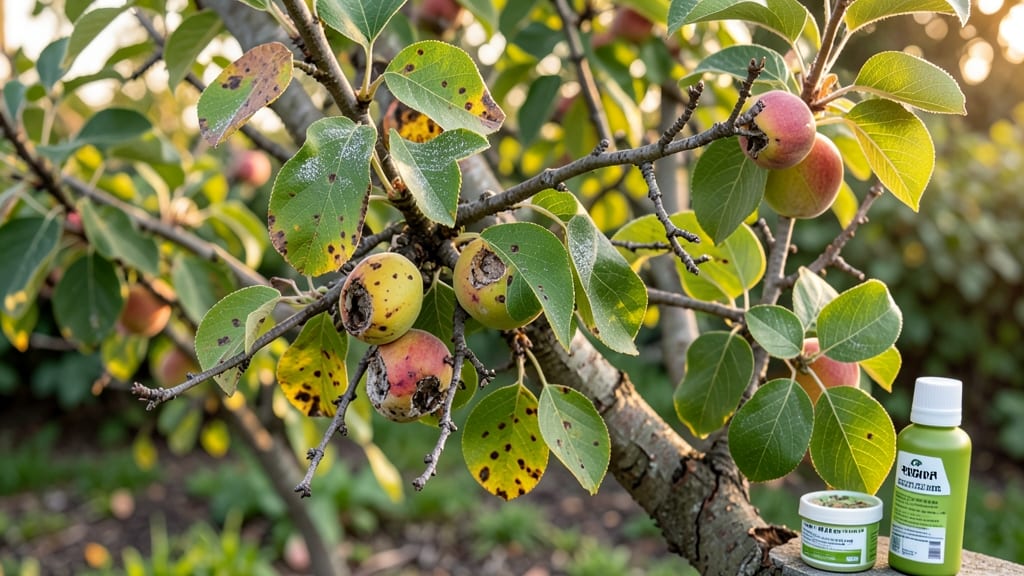
Your apricot tree’s dormant season is the secret weapon for preventing next year’s apricot tree problems—rot, pests, and weak blooms. 🌱 I’ve seen trees go from struggling to thriving just by tackling issues now—before buds even swell.
The key? Spotting the right problems (like cracked bark or last year’s mummy fruit) and fixing them while the tree’s defenses are down.
Most apricot woes start small: brown rot hiding in dead blossoms, aphid eggs tucked in bark crevices, or cracked trunks from winter freeze-thaw cycles. These seem harmless until spring, when they turn into fruit rot, stunted growth, or even tree death.
The good news? A sharp pruner, copper fungicide spray, and a little winter TLC can stop them in their tracks.
By early spring, you’ll see stronger branches, fewer fungal spots, and abundant blooms—not to mention fruit that stays fresh longer. The fixes take less than 2 hours and cost pennies compared to replacing a failed tree.
Here’s exactly what to check and how to save your apricot before it’s too late.
Works for backyard trees, orchards, or even container-grown apricots. The same principles apply whether you’re dealing with a 10-year-old heirloom or a newly planted sapling. Let’s get your tree ready for its best season yet.
Root Causes Behind Weak Apricots
Dormant season is when apricot trees reveal their hidden struggles—whether it’s sparse blooms, weak growth, or stubborn pests. Understanding why these issues arise helps you tackle them before spring. Here’s a breakdown of the science behind the most common culprits, so you can fix them with confidence.
Apricot trees thrive in well-draining, slightly acidic soil (pH 6.0–7.0), but compacted, nutrient-poor, or alkaline soil stunts growth and weakens immunity. Here’s what’s really going on:
- Nitrogen shortage: Leaves turn pale yellow (chlorosis) because nitrogen is essential for chlorophyll production. Without it, the tree can’t fuel new growth or blooms.
- Phosphorus or potassium gaps: These nutrients support root development and flower formation. A deficiency leads to stunted roots, fewer buds, and poor fruit set—even if the tree looks green.
- Micronutrient starvation: Zinc, iron, or boron deficiencies (common in alkaline soils) cause distorted leaves, dieback, or blossom end rot in fruit. These issues often mimic pest damage but are chemical in nature.
Why it happens: Over time, soil loses fertility from repeated harvesting, poor organic matter, or improper pH. Apricot trees also deplete boron and zinc faster than other stone fruits, making them prone to hidden deficiencies.
Apricot trees are semi-hardy, but extreme cold, late frosts, or rapid temperature swings can disrupt dormancy and damage critical tissues. Here’s the science:
- Bud freeze: Flowers and buds form in late summer/fall and enter dormancy. If temps drop below –10°F (–23°C) for prolonged periods, cell membranes rupture, killing buds before they open.
- Trunk bark splitting: Sudden thaw followed by a hard freeze causes moisture to expand inside the bark, creating cracks. This invites Agrobacterium (crown gall) or fungal infections.
- Root zone heaving: Freeze-thaw cycles lift roots out of the soil, exposing them to desiccation or rot. Roots struggling to absorb water = stressed tree = fewer blooms.
Why it happens: Apricots are late bloomers, often flowering in March–April—right when late frosts strike. Young trees or those planted in low-lying areas (where cold air pools) are most vulnerable.
Dormant season isn’t a pest-free zone—many insects and pathogens lie in wait, using the tree’s weakened state to launch attacks. Here’s how they survive:
| Pest/Disease | How It Overwinters | Resulting Damage |
|---|---|---|
| Apricot Borer (Grapholita funebrana) | Larvae pupate in bark crevices or fallen leaves; adults emerge in spring. | Girdled branches, oozing sap, and dieback if larvae chew through phloem. |
| Peach Leaf Curl (Taphrina deformans) | Fungal spores survive on infected buds or fallen leaves in moist, shaded areas. | Thickened, curled leaves that can’t photosynthesize, leading to poor fruit development. |
| Scale Insects (Pseudaulacaspis pentagona) | Adult females lay eggs under protective waxy shells on branches; nymphs hatch in spring. | Sticky honeydew attracts sooty mold, blocking sunlight and reducing bloom quality. |
| Crown Gall (Agrobacterium tumefaciens) | Bacteria survive in soil or infected plant debris; enters through bark wounds. | Gall-like tumors on roots/stems disrupt water/nutrient flow, causing wilting. |
Why it happens: Many pests and diseases target apricots because their thin bark and high sugar content make them easy prey. Peach leaf curl, for example, thrives in wet winters because spores need moisture to germinate.
Pruning in dormancy is crucial, but bad cuts or timing mistakes create entry points for pathogens and stress the tree. Here’s the breakdown:
- Flower bud removal: Apricots set buds on 1-year-old wood. If you prune too aggressively, you strip the tree of next year’s blooms.
- Ragged cuts: Jagged or torn bark (from dull tools) tears the tree’s protective layer, inviting Botryosphaeria (dieback fungus) or canker diseases.
- Over-thinning: Removing too many branches reduces the tree’s ability to photosynthesize, leaving it weak for spring growth.
- Pruning in wet conditions: Moisture + open wounds = perfect conditions for bacterial/fungal infections to take hold.
Why it happens: Novice pruners often aim to "open up" the tree for airflow but accidentally over-prune or use the wrong techniques. Apricot trees also bleed sap when cut in early spring (before buds swell), wasting energy.
💡 Pro Tip: If your tree shows signs of stress (yellowing leaves, weak shoots, or no blooms), dig into the soil, check the bark for cracks, and inspect buds for pests. Dormant season is your chance to diagnose before spring—when problems become visible!
Quick Fixes for Dormant Apricot Trees
When your apricot tree is struggling during its dormant phase, the right care can make all the difference for vibrant spring blooms. Below, we’ve mapped out practical solutions for common issues—from fungal infections to nutrient deficiencies—along with prevention tips to keep your tree thriving.
Think of this as your winter troubleshooting guide!
Cause: Overly wet conditions or poor air circulation during dormancy can invite fungal invaders.
How to Fix It: 🔥 Prune Infected Branches – Use sterilized pruners (wipe with rubbing alcohol) to remove any branches with dark spots, powdery residue, or sunken cankers. Cut 6 inches below the affected area to ensure the fungus doesn’t spread.
🍳 Apply Fungicide – Spray a copper-based fungicide (like Bordeaux mixture) or neem oil solution (1 tbsp neem oil + 1 quart water) on the tree before bud break. This creates a protective barrier.
👨🍳 Improve Airflow – Thin out dense foliage or nearby shrubs to let sunlight and air circulate. Pro tip: Avoid watering the leaves—focus on the base of the tree to keep the canopy dry.
🌡️ Prevention Tip: Rake up fallen leaves in late fall/winter—they’re fungal breeding grounds! Compost them away from the tree or burn them.
Cause: Poor soil health, over-pruning, or lack of winter feeding weakens the tree.
How to Fix It: 📊 Test Your Soil – Grab a DIY soil test kit ($10–$20) to check pH and nutrient levels. Apricots prefer slightly acidic to neutral soil (pH 6.0–7.0).
💪 Feed Strategically –
- For nitrogen (yellow leaves): Sprinkle 1–2 cups of blood meal or fish emulsion around the drip line (not touching the trunk).
- For micronutrients (weak growth): Use a balanced 10-10-10 fertilizer in early spring before buds swell.
🥗 Mulch Right – Add 2–3 inches of organic mulch (wood chips, straw) around the base, but keep it 6 inches away from the trunk to prevent rot.
✨ Prevention Tip: Avoid over-fertilizing in winter—dormant trees don’t need much. Wait until late winter/early spring for a light feeding.
Cause: Weak trees attract pests, especially if they’re stressed from disease or drought.
How to Fix It: 🔪 Scrape Off Scale – Use a plastic scraper or stiff brush to physically remove scale insects (they look like tiny bumps). Dispose of debris in soapy water.
🥘 Spray Horticultural Oil – Mix 1 tbsp horticultural oil + 1 quart water and spray all surfaces (top and bottom of leaves) in late winter. Reapply every 2–3 weeks until pests vanish.
🎯 Encourage Beneficial Insects – Plant dill, fennel, or marigolds nearby to attract ladybugs and lacewings, which devour aphids.
💡 Prevention Tip: Inspect branches in late fall—remove and destroy any egg masses or webbing you find.
Cause: Rapid temperature swings or freeze-thaw cycles can crack bark.
How to Fix It: ⏰ Seal Cracks Immediately – If you spot a vertical crack, apply tree wound sealant (like Tanglefoot) or pruning wax to prevent infection.
🌟 Wrap Young Trees – For newly planted apricots, wrap the trunk with tree guard or burlap to insulate against extreme cold.
🌡️ Prevention Tip: Water deeply before the first hard freeze—moist soil insulates roots better than dry soil.
Final Pro Tip: 🌱 Monitor your tree weekly during dormancy—catching issues early (like gummy sap oozing from cracks) means smaller fixes and happier spring blooms!
Frequently asked questions
Why do my apricot tree branches keep cracking in winter?
Rapid freeze-thaw cycles cause moisture to expand inside the bark, creating vertical cracks. These invite fungal infections like Botryosphaeria or bacterial diseases. Seal cracks immediately with tree wound sealant and wrap young trunks with burlap for insulation. Water deeply before the first hard freeze to protect roots.
How do I know if my apricot tree has peach leaf curl?
Look for thickened, curled leaves in early spring—this fungal disease overwinters on infected buds. Remove and destroy fallen leaves in winter, then spray with copper fungicide before buds swell. Repeat every 2 weeks until leaves unfurl. Prevention is key since treatment is difficult once symptoms appear.
Can I prune my apricot tree in winter without hurting it?
Yes, but wait until late winter (just before buds swell) to avoid removing next year's flower buds. Use sterilized tools to make clean cuts at a 45° angle, and remove only dead/diseased wood. Never prune in wet conditions—this invites bacterial infections. Thin the canopy by 20-30% max to improve airflow.
What should I do if my apricot tree has no leaves but still has buds?
This could signal nutrient deficiency (especially nitrogen or zinc) or aphid damage from last season. Test your soil and amend with fish emulsion or zinc sulfate. Inspect buds for aphid eggs—scrub with soapy water and spray horticultural oil in late winter. If buds are swollen but no leaves emerge, it may be bud freeze from late winter cold snaps.
Are there any organic ways to prevent brown rot in apricots?
Start by removing all mummy fruit (dried, infected fruit) from last season. Apply copper fungicide or baking soda spray (1 tbsp baking soda + 1 quart water + a drop of oil) before buds open. Thin fruit to 6 inches apart for better airflow, and avoid overhead watering. Plant garlic or marigolds nearby—they naturally repel fungal spores.