
Pruning
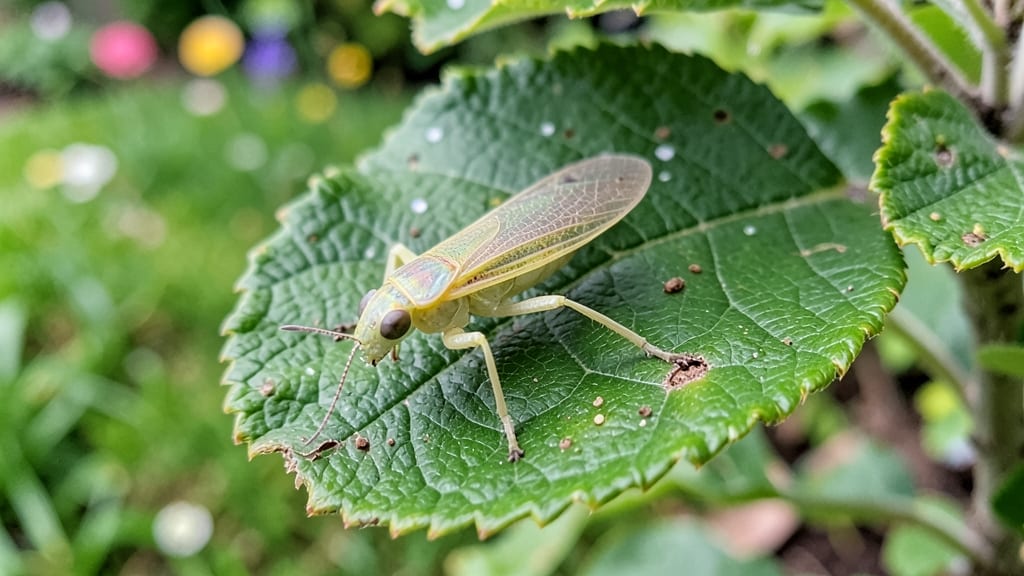
Apple tree leaf bugs are turning your orchard into a skeleton of brown leaves and sticky sap. 🐞 The moment I spotted those tiny black dots crawling on my prized Granny Smith tree last summer, I knew my harvest was at risk—aphids, spider mites, and leafhoppers don’t just nibble; they drain vitality and invite disease.
Within days, my once-vibrant foliage looked like it had been sunburned, and the fruit started dropping prematurely.
The worst part? These pests thrive when you least expect them—spring showers and summer heat create the perfect breeding ground.
I’ve since learned that early detection (before leaves curl or webbing appears) is key, and the right mix of organic sprays, beneficial insects, and pruning can save your tree without harsh chemicals. My tree is now healthier than ever, and I’ve even spotted ladybugs patrolling the branches.
By the end of this guide, you’ll know exactly how to spot the culprits (yes, even the sneaky ones hiding on the undersides of leaves), stop their spread with simple, non-toxic methods, and prevent future invasions so your apples stay plump and your tree stays lush.
No more guessing—just actionable steps that work.
Whether you’re dealing with a minor infestation or a full-blown attack, the solutions here are season-proof—adjust timing for spring, summer, or fall, and watch your tree bounce back. Let’s get those leaves thriving again.
The Hidden Triggers Behind Leaf Damage
When tiny, sap-sucking pests like apple tree leaf bugs (often psyllids, aphids, or scale insects) invade your orchard, they don’t just appear out of nowhere—they’re lured by specific conditions your apple trees provide.
Understanding these triggers is the first step to outsmarting them and protecting your harvest. Below, we break down the key reasons these bugs target your trees—and how to disrupt their cycle before they cause irreversible damage.
Healthy trees are too appealing to sap-sucking insects. When your apple tree thrives—thanks to rich soil, ample water, and minimal stress—it produces excess sap, a sugary feast for bugs like psyllids and aphids. These pests prefer trees that are:
- Over-fertilized: Too much nitrogen (especially in spring) triggers rapid, tender new growth—perfect for egg-laying.
- Under-pruned: Dense canopies trap moisture and block airflow, creating a cozy microclimate for bugs.
- Waterlogged or drought-stressed: While both extremes stress trees, consistent moisture (from overwatering or poor drainage) signals weakness, attracting pests.
Actionable fix: Balance care with controlled stress—prune in late winter to thin branches, avoid heavy nitrogen feeds in early spring, and ensure well-draining soil. A slightly moderately stressed tree (not dying, just resilient) is far less appealing to pests.
Many leaf bugs, like apple sucker or woolly aphid, are overwintering masters. They lay eggs in bark crevices, under lichen, or on buds before winter—then hatch when temperatures rise. If your tree had an infestation last year, 90% of this year’s bugs are already hiding nearby.
| Bug Type | Where They Hide | Best Time to Act |
|---|---|---|
| Psyllids | Under loose bark, in bud scales | Late winter (before buds swell) |
| Aphids | Cracks in bark, crevices near roots | Early spring (as temps hit 50°F) |
| Scale insects | Under bark plates, on roots | Fall (after leaf drop) or early spring |
Actionable fix: Scrape off old bark (especially on young trees) in late winter, or apply dormant oil (a suffocating spray for hibernating bugs) in February. This smothers eggs before they hatch.
Stress from fire blight, apple scab, or physical damage (like hail or animal bites) makes trees leaky—literally. Injured bark oozes sap, which attracts bugs like a neon sign. Even root damage (from construction or compacted soil) can trigger systemic stress, making the whole tree vulnerable.
Red flags your tree is compromised:
- Wilting leaves despite moist soil
- Blackened or oozing cankers
- Stunted new growth
- Yellowing between leaf veins (sign of poor nutrient uptake)
Actionable fix:
- 🔥 Prune out dead/diseased branches immediately—sterilize tools with 70% alcohol to prevent spreading pathogens.
- 🌡️ Test soil pH (ideal: 6.0–6.5 for apples). Amend with lime (to raise pH) or sulfur (to lower it) if needed.
- 💪 Apply compost tea or a beneficial fungus like Trichoderma to boost root health.
Apple trees aren’t the only menu item for these bugs. Many sap-suckers prefer apple varieties but will settle for alternatives if your tree isn’t available. Common backup hosts in your yard:
- Crabapple trees (their thin leaves are easier to pierce)
- Pear or quince trees (shared pests like woolly aphids)
- Weeds like wild cherry or hawthorn (they harbor overwintering bugs)
Actionable fix: Inspect neighboring plants for sticky honeydew (aphid waste) or curled leaves (psyllid activity). Remove volunteer apple seedlings or crabapples within 50 feet of your orchard—they’re pest magnets.
Pro Tip: 🎯 Monitor with a blue sticky trap (psyllids are drawn to it) placed near the tree’s canopy in early spring. If you catch 5+ bugs per week, act fast—they multiply exponentially.
Quick Fixes for Sap-Sucking Leaf Invaders
Dealing with pests that drain your apple tree’s vitality? Don’t panic—these targeted solutions will help you reclaim your tree’s health, whether you’re facing early signs of damage or a full-blown infestation.
Below, we’ve mapped out practical, step-by-step fixes based on the most common causes, plus prevention tips to keep your tree thriving long-term.
If your apple tree is stressed from poor spacing, dense branches, or weak growth, pests like leafhoppers and aphids will flock to it like an all-you-can-eat buffet. Fix it fast:
- 🌿 Step 1: Open Up the Canopy Use clean, sharp pruning shears to remove 10-20% of the tree’s branches, focusing on: - Crossing or rubbing branches (they create wounds where bugs hide). - Dead or diseased wood (pests love decaying tissue). - Overly dense areas (improve airflow and sunlight penetration). Pro Tip: Prune in late winter or early spring (before buds swell) to minimize stress.
If pruning now, do it on a dry, sunny day to help wounds heal faster.
- 💡 Step 2: Boost Tree Resilience
- Fertilize lightly with a balanced, organic fertilizer (like 10-10-10) in early spring to encourage strong new growth.
- Mulch properly: Apply 2-3 inches of wood chips or straw around the base (but keep it 6 inches away from the trunk to prevent rot).
- Water deeply but infrequently (1-2 inches per week) to encourage deep root growth.
- 🚫 Prevention Tip: Plant your apple tree at least 20 feet apart from other trees to reduce competition. If space is tight, choose dwarf varieties (like ‘Columnar’ or ‘Semi-Dwarf’) that stay compact.
If you’ve already spotted sticky honeydew, curled leaves, or visible bugs, act quickly with these direct elimination methods:
- 👨🍳 Step 1: Handpick & Blast Off Pests - Morning is best—pests are sluggish when cool.
Shake branches over a bucket of soapy water (1 tbsp dish soap per gallon) to drown them. - Use a strong spray of water (from a hose) to knock off aphids, mites, or leafhoppers from leaves. Pro Tip: Wear gloves and a mask—some bugs (like woolly aphids) release irritating fibers when disturbed.
- 🔪 Step 2: Apply Targeted Sprays (Organic & Chemical Options) | Pest Type | Recommended Spray | How to Apply | |---------------------|-----------------------------------------------|-----------------------------------------------------------------------------------| | Aphids, Scale | Neem oil (1 tbsp + 1 tsp mild soap per gallon) | Spray evenly on undersides of leaves (where eggs hide).
Repeat every 7-10 days. | | Leafhoppers, Lace Bugs | Insecticidal soap (like Safer® Brand) | Apply at dusk to avoid harming bees.
Reapply after rain. | | Heavy Infestations | Pyrethrin-based spray (e.g., PyGanic) | Use only as a last resort—toxic to bees; apply after dark when pollinators are inactive. |
- ⏰ Step 3: Repeat & Monitor
- Check weekly for new activity, especially on new growth.
- Rotate treatments to prevent resistance (e.g., alternate neem oil with insecticidal soap).
- 💡 Prevention Tip: Encourage natural predators by planting companion flowers like marigolds, alyssum, or dill near your apple tree. Ladybugs, lacewings, and parasitic wasps love munching on leaf bugs!
If your tree is under stress from drought, extreme heat, or poor soil, pests will exploit its weakness. Reset the balance:
- 💧 Step 1: Hydrate Properly
- Deep water 1-2 times per week (check soil moisture 2 inches down—if dry, water).
- Use drip irrigation to keep leaves dry (prevents fungal diseases that weaken trees).
- 🌱 Step 2: Improve Soil Health
- Test your soil (a $20 kit from a garden center works). Aim for a pH of 6.0-7.0 for apple trees.
- Add compost (6-8 inches of well-aged compost mixed into the topsoil) to boost nutrients.
- 🌡️ Step 3: Shield from Extreme Conditions
- Mulch heavily in summer to retain moisture.
- Provide shade cloth (30-50% coverage) if your tree is in a hot, dry climate.
- Avoid heavy nitrogen fertilizers in late summer—they promote tender new growth that attracts pests.
- 🚫 Prevention Tip: Avoid overwatering—soggy roots invite root rot and fungal issues, which stress trees. Use a moisture meter if unsure.
Once your tree is healthy, lock in its defenses with these low-maintenance habits:
- 🍎 Choose Resistant Varieties Some apple cultivars are naturally less appealing to pests. Consider:
- Liberty (resistant to apple scab and fire blight).
- Enterprise (disease-resistant and productive).
- Akane (good pest resistance and cold hardy).
- 🌿 Practice Integrated Pest Management (IPM)
- Monitor weekly with a 10x magnifying glass (early detection = easier fixes).
- Remove fallen leaves/debris (pests overwinter here!).
- Apply horticultural oil in late winter (before buds swell) to smother overwintering eggs.
- 🎯 Pro Tip: Plant a "trap tree"—a less desirable apple variety (like a crabapple) far from your main tree to lure pests away. Prune it aggressively to keep it unappealing.
Final Reminder: Consistency is key! One treatment won’t cure a chronic infestation—stay vigilant, adjust your approach based on what’s working, and your apple tree will bounce back stronger than ever. 🍏💪
Frequently asked questions
What are the most common apple tree leaf bugs I should watch for?
The top culprits are aphids (tiny green/black clusters), spider mites (red/yellow specks on undersides), leafhoppers (small green/white bugs that jump), and psyllids (flat, gray-green bugs that cause leaf curl). Early spring is peak egg-laying season, so inspect buds and new growth closely.
How do I tell if my apple tree has leaf bugs or just normal leaf damage?
Look for these red flags: sticky residue (honeydew), yellowing between veins, curled or distorted leaves, or fine webbing (mite sign). Normal damage has jagged edges, while bug damage is often smooth-edged with tiny holes. Check leaf undersides first—they’re bug hotspots.
Are there any natural predators that can help control these pests?
Ladybugs, lacewings, and parasitic wasps feast on leaf bugs. Plant marigolds, dill, or alyssum near your tree to attract them. Release beneficial nematodes in soil for underground pests like scale insects. Even birds help—hang a bird feeder nearby!
When is the best time to treat apple tree leaf bugs?
Act in early spring (before buds swell) or late summer (after harvest). For overwintering pests, apply dormant oil in February. If treating actively, do it at dusk to protect bees. Avoid spraying when flowers are open—wait until after blooming to preserve pollinators.
Will chemical sprays harm my apple tree or fruit?
Most organic sprays (neem oil, insecticidal soap) are safe when used correctly. Chemical options like pyrethrin can harm trees if overused—always follow label rates. Never spray during bloom or when fruit is within 2 weeks of harvest. For edible trees, organic methods are always the safest bet.