
Pruning
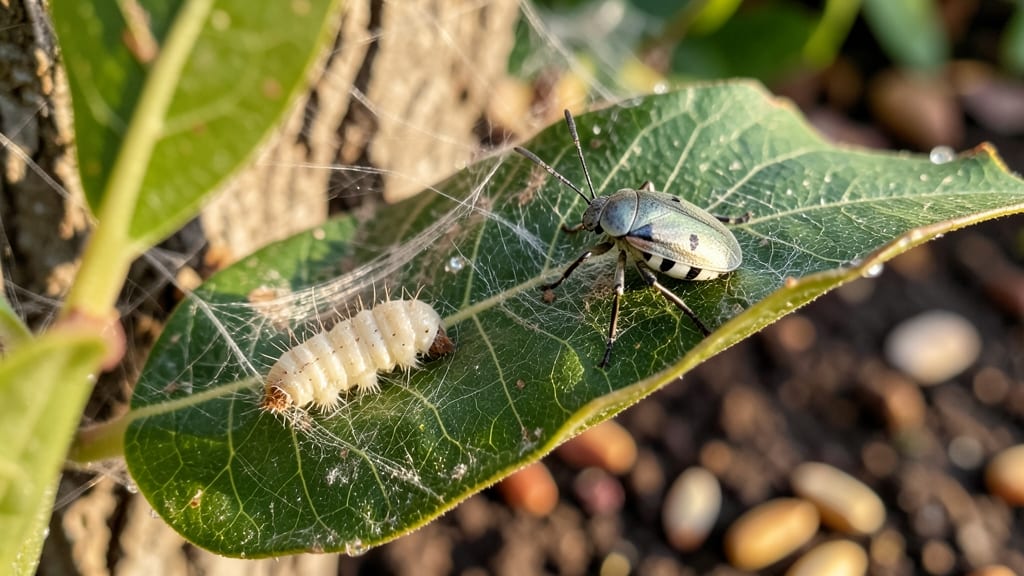
Pecan tree bugs like weevils and aphids can strip your tree bare in weeks. 🌱 I’ve watched healthy pecan trees go from lush green to skeleton branches in just a few months, and the damage isn’t always obvious until it’s too late.
The key to saving your harvest? Spotting the signs early—chewed leaves, sticky sap, or tiny bugs crawling on the hulls—and acting fast with targeted remedies.
Most gardeners assume they need harsh chemicals, but the real solution is often simpler: neem oil sprays for soft-bodied pests, beneficial nematodes for grubs, or even a strong blast of water to knock off aphids.
These methods work because they disrupt the pests’ life cycle without harming your tree—or your family. The trick is consistency: repeat treatments every 7-10 days until the bugs disappear.
By the time you see the first signs of damage, the bugs are already multiplying. But with the right approach, you can turn things around in 2-3 weeks—just in time for the next harvest.
The best part? Your pecans won’t taste like chemicals, and your tree will stay strong for years. Here’s how to identify the culprits and stop them before they ruin your crop.
This works for any pecan tree, whether you’re growing one in your backyard or managing a small orchard. The same principles apply to other nut trees too—just adjust the timing for local pests. Let’s get your tree back to thriving.
Root Causes of Tree Invaders
Understanding why pests target your pecan trees starts with recognizing their natural behaviors and environmental triggers. These tiny troublemakers don’t just appear out of nowhere—they’re drawn by specific conditions that make your trees look like an all-you-can-eat buffet. Let’s break down the science behind their unwanted visits.
Pecan trees with thin, stressed, or overripe foliage become prime targets for bugs like aphids, scale insects, and spider mites.
Here’s why: - Nutrient overload: When trees produce excessive nuts or leaves, they become sugar-rich, attracting sap-sucking pests that thrive on easy meals. - Water stress: Drought or overwatering weakens tree defenses, making them less able to fend off infestations.
Bugs detect stressed trees through volatile organic compounds (VOCs) emitted during stress. - Sunburn or frost damage: Scorched or frozen leaves create entry points for pests, as the tree’s natural barriers (like waxy cuticles) are compromised.
Actionable fix: Prune to improve airflow and remove overripe or damaged limbs in early spring before bugs wake up.
Many pecan tree pests have multi-year life cycles tied to environmental cues.
For example: - Harmful stink bugs and hickory shuckworms time their hatching with pecan nut maturity (late summer/fall), ensuring their larvae have a ready food source. - Scale insects lay eggs in tree bark crevices during winter, only to hatch when temperatures rise above 60°F (15°C)—triggering a population explosion. - Termites and carpenter ants are drawn to decaying wood in old pecan trees, where moisture and rotting wood create ideal nesting conditions.
Actionable fix: Monitor temperature and humidity spikes in spring/fall—these are red flags for pest activity. Use tree band traps to catch crawling insects early.
Healthy trees resist pests better, but nutrient deficiencies or soil issues can turn your pecan grove into a bug magnet.
Key culprits: - Nitrogen deficiency: Leads to pale, sparse foliage, which aphids and mites exploit for easy feeding. - Compacted or waterlogged soil: Restricts root growth, weakening the tree’s ability to produce repellent secondary metabolites (natural pest-deterring compounds). - Excess phosphorus: Encourages soft, succulent growth—a favorite snack for caterpillars and beetles.
Actionable fix: Conduct a soil test and amend with compost or mycorrhizal fungi to boost tree resilience. Avoid over-fertilizing with nitrogen-heavy mixes.
Pecan tree bugs are highly sensitive to weather patterns.
Climate change and microclimates (like urban heat islands) are worsening infestations by: - Warmer winters: Pests like hickory borers survive cold snaps, leading to larger spring populations. - Early springs: Bugs emerge weeks earlier, synchronizing with pecan bud break—giving them a head start on feeding. - Heavy rains followed by drought: Creates ideal conditions for fungal growth, which attracts sap-sucking insects like mealybugs.
Actionable fix: Use weather-based pest alerts (like those from your local extension service) to time preventive sprays or beneficial insect releases.
Sometimes, how we manage land accidentally invites pests.
Common mistakes: - Monoculture planting: Large pecan orchards with no biodiversity offer pests a feast with no predators to keep them in check. - Firewood or mulch from infested trees: Unknowingly introduces eggs or larvae to your grove. - Overuse of broad-spectrum pesticides: Kills natural predators (like ladybugs or lacewings), leading to pest resurgence.
Actionable fix: Plant companion species (e.g., marigolds, basil) to attract predatory insects. Source certified pest-free mulch from reputable suppliers.
Some bugs don’t just land—they hitch a ride or exploit tiny vulnerabilities:
- Wood-boring beetles (e.g., pecan weevils) enter through pruning wounds or bark cracks, laying eggs deep inside.
- Whiteflies are drawn to yellowing leaves, which emit attractant chemicals signaling poor health.
- Ant trails near trees often mean they’re farming aphids for honeydew—a mutualistic relationship that explodes pest populations.
Actionable fix: Seal pruning cuts with pruning paint, and disrupt ant trails with diatomaceous earth or vinegar barriers.
To diagnose why bugs are attacking right now, ask:
- Did we have unusual rain/drought? → Likely stress-related pests.
- Are leaves yellowing or curling? → Could be sap-suckers (aphids, mites).
- Are nuts dropping prematurely? → Probably shuckworms or weevils.
- Seeing winged insects? → Time for adult beetles or whiteflies to lay eggs.
Quick fix: Snap a photo and compare it to local pest databases (like [University of Georgia’s BugGuide](https://bugguide.net)) for a fast ID.
Quick Fixes for Tree Troubles
When your pecan tree is under siege by unwanted visitors, acting fast is key to protecting those sweet, crunchy nuts—and your tree’s health. Below, we break down the most common pecan tree pests and their fixes, from organic sprays to cultural tweaks that keep bugs at bay.
Plus, we’ll share prevention tips to stop future infestations before they start.
Signs: Holes in nuts, sawdust-like frass, or weevils crawling out when you shake branches.
How to Fix It: 🔥 Handpick & Destroy – Wear gloves and remove infested nuts (drop them in a sealed bag or burn them). Check for weevils daily during harvest season. 🍳 Neem Oil Spray – Mix 2 tbsp neem oil with 1 tsp mild soap in 1 gallon of water. Spray early morning or evening (avoid direct sun) to disrupt weevil life cycles. Repeat every 7–10 days. 👨🍳 Pheromone Traps – Hang pecan weevil traps (available at garden centers) in the tree canopy in June–July. Replace lures every 30 days. ⏰ Timing Is Everything – Apply kaolin clay (a natural barrier) in late spring to deter weevils before they lay eggs.
Prevention Tip: 💡 Prune for airflow—thick canopies trap moisture, inviting weevils. Thin branches to improve sunlight and drying.
Signs: Sticky residue (honeydew), curled leaves, or tiny black ants (they love aphid secretions).
How to Fix It: 🔥 Blast Them Off – Use a strong hose spray (40+ psi) to knock aphids/scale off leaves and bark. Do this early morning to avoid damaging tender foliage. 🍳 Insecticidal Soap – Mix 1.5 tbsp potassium soap with 1 gallon of water. Spray directly on pests (avoid flowers). Reapply after rain. 👨🍳 Ladybugs & Lacewings – Release beneficial insects (buy online or at garden stores). They devour aphids naturally. ⏰ Horticultural Oil – In dormant season (winter), spray dormant oil to smother scale eggs.
Prevention Tip: 🌡️ Monitor honeydew—if you see black sooty mold on leaves, treat immediately to prevent tree stress.
Signs: Fine webbing on leaves, yellow stippling, or leaves that look "bronzed."
How to Fix It: 🔥 Water Stress Relief – Spider mites thrive in dry conditions. Deep-water trees daily during heatwaves to deter them. 🍳 Neem Oil or Diatomaceous Earth – Spray neem oil (as above) or dust food-grade DE on leaves (reapply after rain). ⚠️ Avoid DE if bees are active! 👨🍳 Predatory Mites – Introduce Phytoseiulus persimilis (sold online) to hunt spider mites naturally. ⏰ Prune & Clean Up – Remove heavily infested branches and dispose of them in sealed bags.
Prevention Tip: ✨ Mulch properly—keep mulch 3–4 inches away from the trunk to reduce hiding spots for mites.
Even the best sprays won’t work if your tree is stressed. Try these low-effort upgrades: - Fertilize in early spring with a balanced 10-10-10 or organic compost to strengthen roots. - Avoid overwatering—pecan trees hate "wet feet."
Water deeply 1–2x per week (adjust for drought). - Inspect regularly—check undersides of leaves and branch crevices weekly for early signs of pests.
Final Pro Tip: 🎯 Combine methods for best results. For example:
- Weevils? → Traps + neem oil + handpicking
- Aphids? → Soap spray + ladybugs + hose blast
With these natural, no-fuss fixes, your pecan tree will bounce back—and next harvest, you’ll be cracking open plump, pest-free nuts like a pro. 🌰💪
Frequently asked questions
What are the most destructive bugs attacking pecan trees right now?
The top culprits include pecan weevils (they bore into nuts), aphids (leave sticky honeydew), and spider mites (cause webbing and stippling). In late summer, watch for hickory shuckworms too—they chew through nut hulls. Each pest leaves distinct damage signs, so start by inspecting leaves and nuts closely.
How do I tell if my pecan tree has a bug problem?
Look for holes in nuts, yellowing or curled leaves, sticky residue (honeydew), or tiny bugs crawling on branches. Shake branches over a white sheet—if bugs fall, you’ve got an infestation. Early signs include premature nut drop or webbing between leaves.
Can I use store-bought sprays on pecan trees?
Yes, but choose organic options first: neem oil (for soft-bodied pests), insecticidal soap (aphids), or horticultural oil (scale insects). Avoid broad-spectrum chemicals—they kill beneficial insects too. For severe cases, consult your local extension office for targeted, low-toxicity recommendations.
Will pruning help stop pecan tree bugs?
Prune to improve airflow and remove damaged or infested branches. Thin the canopy in late winter to reduce hiding spots for pests. Seal pruning cuts with pruning paint to prevent wood-boring beetles from entering. Healthy, open-grown trees resist bugs better than dense, shaded ones.
How often should I check my pecan tree for bugs?
Inspect your tree weekly during peak seasons (spring to fall). Focus on leaf undersides, branch crevices, and nut clusters. After rain or windstorms, check for newly exposed eggs or larvae. Early detection is key—most pests start small and multiply fast!