
Flowers
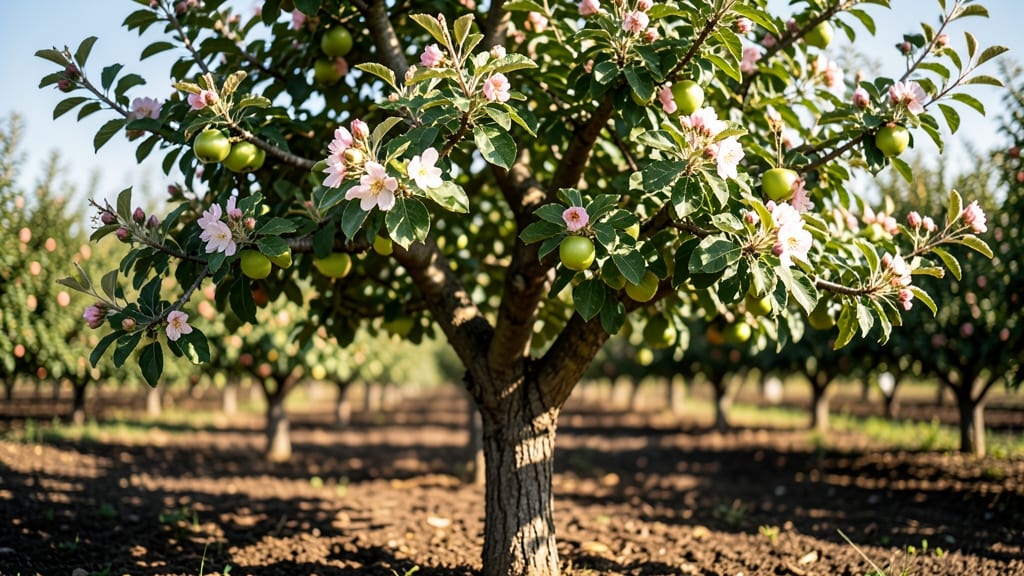
Apple tree flowers turning into fruit is all about timing, pollinators, and the right care—here’s how to make every blossom count for a harvest you’ll love.
Did you know your apple tree’s stunning spring blossoms are just the beginning? Those delicate petals hold the promise of your harvest, but without the right conditions, they’ll fade without a trace.
Understanding the science behind pollination and fruit set is the key to transforming those flowers into juicy, ripe apples.
From selecting the right pollinator varieties to protecting your tree from late frosts, small adjustments can make a huge difference in your yield.
In this guide, I’ll walk you through the critical stages of flower development, the common pitfalls that lead to poor fruit set, and the simple steps you can take to boost your tree’s productivity.
Whether you’re dealing with a young sapling or a mature orchard, these insights will help you maximize every bloom and enjoy a bounty of apples from August through October.
How apple tree flowers develop into fruit: the science of pollination
When your apple tree bursts into pink and white blossoms each spring, it’s nature’s way of preparing for fruit production—but not every flower will make it to harvest.
The transformation from apple tree flowers to fruit depends on a precise biological process called pollination, where pollen travels from the flower’s anthers to the stigma. Without this step, those beautiful blooms will fade without producing apples.
Let’s break down how this magic happens—and what you can do to boost your tree’s success.
The journey begins when apple tree flowers open in early spring, revealing their reproductive parts. Each flower contains male stamens (with pollen) and a female pistil (where fertilization occurs). For fruit to develop, pollen must transfer from one flower’s stamens to another’s pistil—a process called cross-pollination.
This is why planting two compatible apple varieties dramatically increases your chances of a fruitful harvest. Without cross-pollination, many flowers will drop off within weeks.
After pollination, the real work begins inside the flower. Once pollen reaches the stigma, it germinates and grows a pollen tube down to the ovule, where fertilization occurs. This process takes about 3-7 days and requires warm temperatures (above 55°F).
If fertilization fails—due to poor pollination, cold weather, or incompatible varieties—the flower will drop off, leaving no trace of a future apple. This is why gardeners often see empty blossoms even after a beautiful spring display.
Once fertilization succeeds, the ovule begins developing into an apple. During the first 2-4 weeks, you’ll notice small fruitlets forming where the flowers once were. This stage is critical because the tree must balance fruit development with leaf growth.
Too many apples can weaken the tree, leading to small, poor-quality fruit. That’s why experienced growers practice thinning—removing excess fruitlets to leave only the healthiest ones. Aim for 6-8 inches between apples on mature branches.
The next phase, called cell division, is when apples grow rapidly in size. This happens 6-8 weeks post-pollination and demands consistent sunlight, water, and nutrients. If your tree lacks any of these, apples may remain small or develop bitter flavors.
For example, nitrogen deficiency (yellowing leaves) can stunt fruit growth, while overwatering (soggy soil) can cause rot. Monitor your tree’s leaf color and soil moisture closely during this period to avoid setbacks.
As apples mature, their skin color deepens and their stem separates easily from the branch—signs they’re nearing harvest. However, not all apples will reach this stage due to environmental stressors.
Extreme heat or cold during bloom can disrupt pollination, while pests like apple maggots or diseases like fire blight can destroy developing fruit. To protect your harvest, apply organic sprays (like neem oil) during bloom and mulch around the base to retain moisture and deter pests.
Did you know that apple varieties have different pollination requirements? Some, like Honeycrisp or Fuji, are self-unfruitful and need a second variety nearby for cross-pollination. Others, like Granny Smith
5 Key factors that trigger apple tree flower pollination success
Your apple tree’s delicate spring blossoms are nature’s promise of a future harvest—but without the right conditions, those flowers won’t develop into fruit. The secret lies in understanding the 5 key triggers that turn blossoms into apples.
From choosing the right pollinators to timing your care, these factors make all the difference between a sparse harvest and a tree heavy with fruit.
First, genetic compatibility between apple varieties is non-negotiable. Many apple trees require cross-pollination from a different variety to produce fruit. For example, a Honeycrisp tree needs a Gala or Granny Smith nearby to ensure pollination success.
Planting just one variety often leads to disappointment, so check your tree’s pollination group before planting.
Plant compatible apple varieties within 50 feet. Example: Fuji + Red Delicious.
Plant bee-friendly flowers (e.g., lavender) near your tree to boost pollinator visits during bloom.
Ensure 50°F+ temperatures during bloom and avoid heavy rain that washes away pollen.
Use a soft paintbrush to transfer pollen between flowers if bees are scarce during bloom.
Apply phosphorus-rich fertilizer (e.g., 10-20-10) 4-6 weeks before bloom to support flower development.
Next, timing is everything when it comes to attracting pollinators. Bees and other insects are most active on warm, sunny days between 10 AM and 3 PM. To maximize their visits, plant pollinator-friendly flowers like lavender, clover, or dill near your apple tree.
These plants provide nectar and attract bees, increasing the chances of successful pollination during your tree’s 2-week bloom period.
Weather plays a critical role in pollination success. Apple tree flowers need consistent temperatures above 50°F to open fully and release pollen. Cold snaps or heavy rain can wash away pollen before it reaches other flowers.
If your region experiences unpredictable spring weather, consider hand-pollination as a backup. Simply use a soft paintbrush to gently transfer pollen from one flower to another on calm, dry days.
Don’t overlook the power of proper nutrition to support flower development. Apple trees need adequate phosphorus to produce healthy blossoms. Apply a balanced fertilizer (like 10-20-10) 4-6 weeks before bloom to give your tree the nutrients it needs.
Avoid heavy nitrogen applications during this time, as they promote leafy growth at the expense of flowers. Instead, focus on root development and flower production to set the stage for a bountiful harvest.
Finally, pruning for sunlight can’t be ignored. Dense foliage blocks sunlight and air circulation, which reduces pollinator access and increases disease risk. Thin out overlapping branches in late winter to open up the canopy.
This simple step ensures that every flower gets the best chance at pollination by making your tree more accessible to bees and other pollinators.