
Pests and Diseases
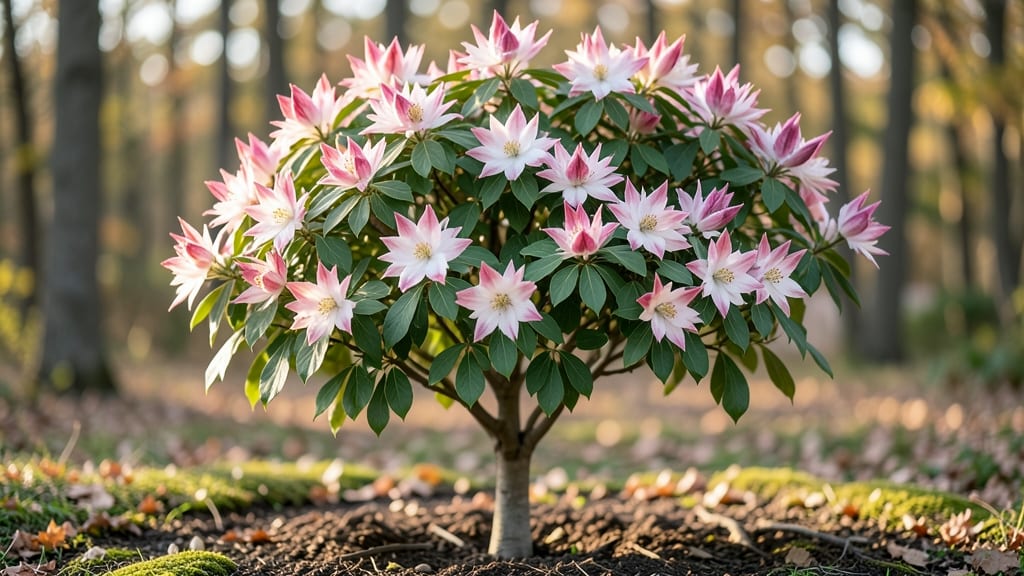
The pink-and-white dogwood tree transforms any spring garden into a hummingbird magnet. 🌸 Its delicate blooms arrive before leaves unfurl, creating a breathtaking focal point that lasts weeks—pair it with azaleas or bleeding hearts for a cottage-garden dream team.
The scent alone makes it worth planting, but the way it frames patios or reflects in ponds? Absolute game-changer.
In modern landscapes, let it stand alone as a bold statement tree, while woodland gardens love its layered look when planted among ferns and hostas. The key is spacing it where its 20-foot height won't overwhelm smaller perennials, yet still steals the show from every angle.
I've seen it anchor both formal borders and wildflower meadow edges—versatility at its finest.
📚 In This Guide
- What you need
- Instructions
- Tips and common mistakes
- Wrapping up and next steps
What you need
- ● Garden gloves – 2 pairs (nitrile or leather for durability; size medium or large).
- ● Pruning shears – 1 pair (bypass pruners, sharp, and sterilized; 6-8" blade for precision).
- ● Loppers – 1 pair (for thicker branches; 20-24" length with bypass blades).
- ● Hose with nozzle – 1 (for rinsing tools and tree foliage; adjustable spray setting).
- ● Neem oil or horticultural oil – 1 quart (organic, 100% cold-pressed; for fungicidal/insecticidal treatment).
- ● Insecticidal soap – 1 bottle (16 oz) (for soft-bodied pests like aphids or scale; 0.25% potassium salts).
- ● Fungicide (copper-based or sulfur) – 1 bottle (16 oz) (for powdery mildew or anthracnose; follow label for concentration).
- ● Spray bottle or backpack sprayer – 1 (2-4 gallon capacity for larger trees; or a 16 oz spray bottle for spot treatments).
- ● Disposable rags or paper towels – 1 roll (for cleaning tools and wiping sap/residue).
- ● Disinfectant (70% isopropyl alcohol) – 1 small bottle (8 oz) (for sterilizing pruning tools).
- ● Trash bags (heavy-duty) – 2-3 bags (for pruned branches and debris; 30-gallon size).
- ● Ladder (if needed) – 1 (extension ladder, 12-16 ft; ensure stability on soft ground).
- ● Bird netting – 1 roll (if hummingbirds are a concern during treatment; lightweight, 12x12 ft section).
- ● Reflective tape or markers – 1 pack (for visibility if working near roads; bright orange or red).
- ● Garden twine – 1 spool (for securing netting or marking branches to prune later).
- ● Magnifying glass – 1 (for inspecting small pests or damage up close).
- ○ Tree wound pruning sealant – 1 tube (optional for large cuts; choose a natural, water-based option).
How to plant and care for a pink-and-white dogwood tree
Here's how I've grown vibrant dogwoods that burst into color every spring and keep hummingbirds visiting all season.
🌱 Step 1: Choose the Perfect Planting Spot
Dogwoods thrive in partial shade with morning sun and afternoon shade, especially in hotter climates. I look for spots where the tree gets 4-6 hours of sunlight daily but isn't scorched by afternoon heat. The soil should drain well but stay moist—dogwoods hate soggy roots but won't tolerate drought either.
Check the area in early spring when the ground is soft. Press your finger 2 inches deep—if it feels dry, you'll need to water more frequently. A slightly elevated spot helps prevent water pooling around the roots. I always mark the area with stakes before digging to avoid disturbing the soil too much.
🪴 Step 2: Prepare the Soil for Healthy Growth
Dogwoods prefer slightly acidic to neutral soil with a pH between 5.0 and 7.0. Test your soil with a simple kit from the garden center—if it's too alkaline, mix in 2-3 inches of peat moss or composted pine needles to lower the pH. Avoid fresh mulch or manure, which can burn the roots.
Dig a hole twice as wide as the root ball but only as deep as the container it came in. Loosen the sides of the hole with a shovel to help roots spread. If your soil is heavy clay, blend in a handful of perlite to improve drainage. The goal is soil that feels like a damp sponge—not rock-hard or waterlogged.
☀️ Step 3: Plant and Water for Strong Establishment
Gently remove the dogwood from its container and tease the roots outward if they're circling. Place it in the hole so the top of the root ball sits level with the surrounding soil—burying too deep can suffocate the tree. Backfill with native soil, tamping lightly every 2 inches to remove air pockets.
Water deeply right after planting—about 1 gallon per inch of trunk diameter. For a standard 4-inch caliper tree, that's roughly 4 gallons. Keep the soil evenly moist for the first 2-3 weeks, checking daily. You'll know it's right when water drains through but doesn't pool on the surface.
✂️ Step 4: Mulch and Prune for Long-Term Beauty
Spread 2-3 inches of mulch (like shredded bark) in a 3-foot-wide ring around the base, keeping it 6 inches away from the trunk. This protects roots from temperature swings and retains moisture. I always use disease-free mulch—never wood chips from treated lumber or diseased trees.
Prune only to remove dead, crossing, or diseased branches in late winter or early spring. Avoid heavy pruning—dogwoods bloom on old wood, so cutting back too much reduces next year's flowers. Use clean, sharp pruners and make cuts just outside the branch collar. You'll see new growth within 4-6 weeks if the tree is healthy.
💧 Step 5: Maintain Through Seasons for Peak Blooms
Water once a week during the first growing season, increasing to twice a week in extreme heat. Mature trees need less—just deep watering every 2 weeks unless there's no rain. I check by digging 1 inch deep; if it's dry, it's time to water.
Feed with a balanced 10-10-10 fertilizer in early spring, spreading it 6 inches from the trunk and watering it in. Dogwoods are light feeders, so too much fertilizer causes weak wood and fewer blooms. Watch for yellow leaves—this often means overwatering or poor drainage, not a nutrient deficiency.
Tips & tricks for perfect pink-and-white dogwood planting
These little details make all the difference between a struggling dogwood and one that thrives for decades.
Sunlight Strategy: That 4-6 hours of sunlight rule is non-negotiable, but here's the secret: east-facing spots get perfect morning sun without afternoon heat. If you're in a hotter climate, consider dappled shade from nearby trees—their moving shadows create ideal conditions. I've seen dogwoods in full sun wilt when afternoon temps hit 90°F, so don't skimp on afternoon shade.
Root Ball Rescue: When you remove your dogwood from its container, you'll often see roots circling like a pretzel. Tease them gently with your fingers—this prevents "girdling" where roots strangle themselves. Pro tip: Soak the root ball for 10 minutes before planting to encourage roots to spread into the new soil. The goal is roots that look like a loose network, not a tight bundle.
Soil Test Shortcut: Don't have time for a full soil test? Grab a handful of your native soil and mix it with equal parts vinegar. If it fizzes vigorously, your soil is too alkaline. For a quick pH fix, blend in composted leaves or pine needles—they naturally acidify without burning roots. I keep a small bag of these in my gardening toolbox for emergencies.
Watering Watch: That first 2-3 weeks of even moisture is critical, but here's how to do it right: Use a rain gauge or tuna can to measure water—aim for 1 inch per week. The "damp sponge" test works best: stick your finger 2 inches deep. If it feels dry, water again. Overwatering is the #1 killer, so always check for pooling before adding more. I set a timer on my phone for daily checks during this period.
Pro Tips for Dogwood Tree Pink And White
- These little details make all the difference between a struggling dogwood and one that thrives for decades.
- Sunlight Strategy: That 4-6 hours of sunlight rule is non-negotiable, but here's the secret: east-facing spots get perfect morning sun without afternoon heat.
- Root Ball Rescue: When you remove your dogwood from its container, you'll often see roots circling like a pretzel.
Frequently asked questions
Got questions about your pink-and-white dogwood tree? You’re not alone! Here are answers to the most common queries—from care tips to troubleshooting—so you can keep your tree thriving and hummingbird-friendly.
How do I tell if my dogwood tree is healthy?
A healthy dogwood has vibrant green leaves, plump pink/white blooms, and smooth, gray bark. Watch for yellowing leaves (nutrient deficiency), wilting (underwatering), or blackened stems (fungal issues like anthracnose). Prune dead branches in late winter to encourage new growth!
When is the best time to plant a pink-and-white dogwood?
Plant in early spring or fall when soil is workable but not frozen. Avoid summer heat or winter cold, which stress roots. Dig a hole twice as wide as the root ball, amend with compost, and water deeply. Mulch around the base (but not touching the trunk) to retain moisture.
What pests or diseases should I watch for in dogwood trees?
Common threats include:
- Anthracnose fungus: Causes leaf spots and wilting. Solution: Prune infected branches, avoid overhead watering, and apply fungicide in early spring.
- Dogwood borers: Larvae tunnel into bark. Solution: Remove infested wood immediately and wrap tree trunks with borer-resistant tape.
- Powdery mildew: White coating on leaves. Solution: Improve airflow with pruning and use neem oil.
Can I grow a pink-and-white dogwood in a container?
Yes, but choose a large container (at least 20 gallons) with drainage holes and use well-draining potting mix. Dogwoods need 6+ hours of sunlight and regular watering (keep soil moist but not soggy). Repot every 2–3 years and fertilize lightly in spring. Pro tip: Dwarf varieties like ‘Florida Pink’ adapt better to containers!
Why aren’t my dogwood flowers as vibrant as last year?
Fading blooms often signal over-fertilization, poor sunlight, or stress (like drought or transplant shock). Ensure your tree gets full sun to partial shade, prune in late winter, and avoid heavy nitrogen fertilizers (they promote leaves over flowers). If blooms are sparse, try a balanced 10-10-10 fertilizer in early spring.
What’s a good alternative if I can’t grow a dogwood?
If your climate is too hot/humid (dogwoods prefer zones 5–9), try these hummingbird-friendly alternatives with similar blooms:
- Serviceberry (Amelanchier): White flowers, edible berries, and fall color.
- Viburnum (e.g., ‘Arrowwood’): Clusters of white/pink blooms and wildlife appeal.
- Redbud (Cercis canadensis): Early spring pink flowers and heart-shaped leaves.
Wrapping up and next steps
The pink and white dogwood tree isn’t just a stunning addition to your garden—it’s a fragrant, low-maintenance powerhouse that brings joy to pollinators and beauty to your landscape. 🌸 From choosing the right variety to protecting it from pests and diseases, every step you take helps ensure its health and vibrancy for years to come.
Ready to plant the seeds (literally!) for a thriving dogwood? Start by selecting a healthy sapling or seedling from a trusted nursery, then give it the care it deserves. Whether you’re a seasoned gardener or a beginner, this resilient tree will reward you with seasonal splendor and a hummingbird haven!