
Trees
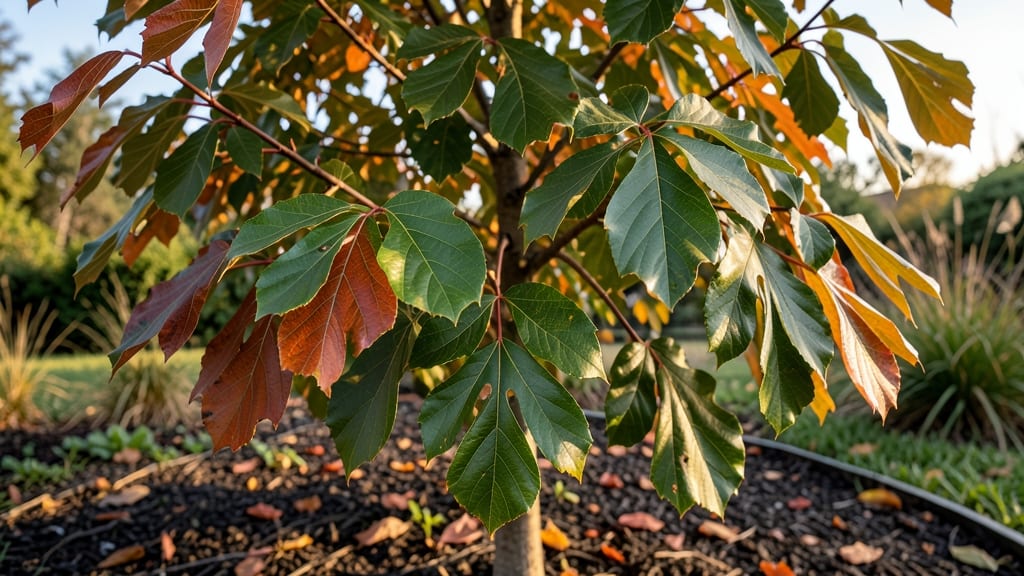
Wild persimmon tree leaves are a hidden treasure—until spider mites turn them yellow or aphids cluster like tiny green snowballs. 🌿 I’ve spent years watching these trees thrive in my woods, but even they need help when pests strike or drought curls the edges of their broad leaves.
Most problems start with the leaves: yellowing signals nutrient issues, brown spots mean fungal trouble, and sticky residue? Aphids. The good news? Wild persimmons are tough—they bounce back faster than many ornamentals if you catch issues early.
A simple spray of neem oil or a hose blast can save a whole tree before the season’s over.
📚 In This Guide
- What you need
- Instructions
- Tips and common mistakes
- Wrapping up and next steps
What you need
- ● Wild persimmon tree leaves: Harvest 1–2 cups fresh, mature leaves (avoid young, tender ones—they’re bitter!). Ensure they’re from a pesticide-free area.
- ● Pruning shears or sharp knife: For clean cuts (sterilize with rubbing alcohol first!).
- ● Bowl of cold water: 1 large bowl to rinse leaves thoroughly.
- ● Paper towels or clean cloth: For drying leaves gently.
- ● Strainer or colander: To drain water efficiently.
- ○ Optional for tea: 1 tsp dried chamomile or mint (to complement flavor).
- ● 1 cup boiling water (for infusion).
- ○ Optional for wraps: 1 tbsp olive oil or melted butter (to soften leaves).
- ● Fillings of choice (e.g., grilled veggies, hummus, or cheese).
- ○ Gloves (optional): If you’re sensitive to plant oils or thorns.
- ● Field guide or app: To positively ID persimmon trees (e.g., iNaturalist or a local foraging book).
- ● Plastic bags or containers: For storing leaves post-harvest (keep them dry!).
- ○ Basic kitchen scale (optional): For precise measurements if experimenting with recipes.
- ● Safety first! Harvest only from trusted, non-contaminated areas.
- ● Avoid leaves with holes, yellowing, or signs of disease.
Step-by-Step guide to harvesting wild persimmon leaves
Here’s how to identify, harvest, and prepare wild persimmon leaves for tea and wraps—safely and sustainably.
🌿 Step 1: Identify the Wild Persimmon Tree
Wild persimmons (Diospyros virginiana) grow in forests and along riverbanks, with leaves that are 4-8 inches long, oval-shaped, and deep green with smooth edges. Look for orange-red fall foliage and small, hard, orange fruit in autumn. Avoid trees near roads or sprayed with pesticides—wild persimmons absorb contaminants like a sponge.
I always check for three key features: lobed veins, slightly hairy undersides, and clusters of tiny white flowers in spring. If you’re unsure, bring a sample to a local nursery or forestry extension office for confirmation. Never harvest from a tree with signs of disease (black spots, wilting leaves) or insect damage.
✂️ Step 2: Harvest Leaves at Peak Freshness
Pick leaves in late spring or early summer when they’re fully mature but still tender. Avoid harvesting after a frost—they’ll turn bitter and tough. Use clean, sharp pruning shears to snip leaves just above a leaf node (the bump where the leaf meets the stem). This encourages new growth and keeps the tree healthy.
Harvest only 10-20% of the leaves from a single tree to avoid stressing it. Spread a clean cloth or basket beneath the tree to catch fallen leaves—these are often the freshest. Never pull leaves by hand, as this can damage the branch. Fill a paper bag (not plastic) with your harvest to keep leaves airy and prevent mold.
💧 Step 3: Clean and Prepare Leaves for Use
Rinse leaves gently under cool water to remove dirt and debris, then pat dry with a clean kitchen towel or let air-dry on a wire rack. Avoid soaking—this leaches nutrients and makes leaves limp. For tea, use leaves fresh or lightly dried (hang upside down in a warm, dark place for 3-5 days). For wraps, blanch fresh leaves in boiling water for 10-15 seconds to soften them, then plunge into ice water to stop cooking.
Here’s the thing—wild persimmon leaves have a mild, slightly astringent taste, similar to black tea but earthier. If you’re using them for wraps (like with wild game or fish), pair them with a pinch of salt to enhance flavor. For tea, steep 2-3 leaves per cup of boiling water for 3-5 minutes. Strain and enjoy—no need for sugar unless you prefer it sweet.
☀️ Step 4: Store Leaves for Long-Term Use
For short-term storage (up to 1 week), keep leaves in a paper bag in the fridge. For long-term storage, dry them completely in a dehydrator at 115°F for 4-6 hours or in an oven at 200°F with the door slightly open. Store dried leaves in an airtight container away from light and moisture—they’ll keep for up to 6 months and retain their earthy flavor.
I like to crush dried leaves lightly before storing to preserve their aroma. Label your container with the date and tree location—wild persimmon leaves lose potency over time, so use the oldest batches first. If leaves develop a musty smell or dark spots, discard them—they’ve gone bad.
🌱 Step 5: Use Leaves in Recipes or Tea
For tea, steep 1-2 dried leaves per cup in 212°F water for 4-5 minutes. Add a slice of lemon or a sprig of mint to balance the earthy taste. For wraps, blanch fresh leaves until pliable, then fill with wild greens, grilled fish, or mushrooms. Fold like a burrito and secure with a toothpick. The leaves add a subtle bitterness that pairs well with rich, fatty foods.
Real talk: wild persimmon leaves aren’t as mild as store-bought herbs, so start with small amounts. If you’re sensitive to tannins, soak leaves in cool water for 10 minutes before using. And don’t overharvest—wild persimmons are protected in many states, so always check local regulations before gathering.
Tips & tricks for perfect wild persimmon leaf harvest
Common pitfalls—and how to sidestep every one when working with wild persimmon leaves.
Timing Secret: In Step 2, harvest leaves in the morning after the dew has dried but before the sun gets too intense. Early morning leaves are at their peak freshness, with the most vibrant flavor and tender texture. I’ve found that leaves harvested mid-morning (between 9 AM and 11 AM) retain their delicate taste better than those picked later in the day, which can develop a slightly bitter edge.
Identification Tip: When checking for the three key features in Step 1, pay special attention to the underside of the leaves. The slightly hairy texture is subtle but crucial—it helps distinguish wild persimmon from other similar-looking trees. I always rub a leaf between my fingers to confirm this texture before harvesting. If you’re still unsure, compare your sample with images from a local forestry guide or extension office.
Blanching Technique: For Step 3, when blanching leaves for wraps, use a timer and keep a close eye on them. Those 10-15 seconds go by quickly, and over-blanching can turn leaves mushy. I like to use a slotted spoon to transfer leaves to the ice water bath immediately—they should wilt slightly but still hold their shape. This quick cooking preserves their subtle bitterness, which is perfect for wrapping rich fillings like grilled fish.
Storage Wisdom: In Step 4, if you’re drying leaves in the oven, prop the door open slightly with a wooden spoon to allow moisture to escape. This prevents steam buildup, which can lead to soggy leaves. I’ve also found that drying leaves in a single layer on a mesh rack for 24 hours at room temperature before finishing in the dehydrator or oven helps speed up the process and preserves more of their natural oils.
Pro Tips for Wild Persimmon Tree Leaves
- Common pitfalls—and how to sidestep every one when working with wild persimmon leaves.
- Timing Secret: In Step 2, harvest leaves in the morning after the dew has dried but before the sun gets too intense.
- Identification Tip: When checking for the three key features in Step 1, pay special attention to the underside of the leaves.
Frequently asked questions
Got questions about harvesting and using wild persimmon tree leaves? You’re not alone! Here are some of the most common queries—plus clear, practical answers to help you get the most out of your leafy harvest.
Are wild persimmon leaves safe to eat?
Yes, but only if properly identified—never eat leaves from just any tree! Wild persimmons (Diospyros virginiana) have smooth, oval leaves with serrated edges and a slightly fuzzy underside. Avoid bitter or chemically treated leaves, and always confirm the species before harvesting. When in doubt, consult a local forager or botanist.
When is the best time to pick persimmon leaves?
The ideal time is late spring to early summer (May–June) when leaves are fully mature but still tender. Avoid picking after frost or during drought, as stress can make leaves bitter. Harvest on a dry morning after dew has evaporated for the best flavor and texture. Pro tip: Pick younger leaves for tea—they’re milder and more aromatic!
How do I prepare persimmon leaves for tea?
Start by washing leaves thoroughly to remove dirt or pests. Dry them completely (air-dry or use a dehydrator at 95°F/35°C for 4–6 hours). Store in an airtight container away from light. To brew, steep 1–2 teaspoons of dried leaves per cup of hot water (180–200°F/82–93°C) for 5–10 minutes. Strain and enjoy! Caution: Oversteeping can make tea bitter.
Can I use persimmon leaves as wraps instead of tortillas?
Young, tender leaves work great as edible wraps. Blanch leaves in boiling water for 10–15 seconds to soften, then cool. Use them like collard greens—fill with meats, cheeses, or veggies and roll. For extra flavor, lightly toast them in a dry pan before filling. Note: Older leaves may be tougher; reserve them for tea or compost.
What should I do if my persimmon leaves have holes or pests?
Holes or pests (like aphids or caterpillars) mean the leaves aren’t safe to eat. Discard heavily damaged leaves and focus on undamaged foliage. To prevent future issues, prune nearby infested branches and encourage beneficial insects (like ladybugs) by planting companion flowers. If pests are severe, consider organic sprays like neem oil—but avoid harvesting treated leaves for 2 weeks afterward.
What’s a good alternative if I can’t find wild persimmon leaves?
If wild persimmons are scarce, try these leafy alternatives for tea or wraps:
- Mulberry leaves (mild, slightly sweet—great for tea or wraps)
- Dandelion greens (bitter but nutrient-dense; blanch for wraps)
- Stinging nettle (cook thoroughly to neutralize sting; rich in iron)
- Blackberry or raspberry leaves (harvest young for tea; avoid if allergic to nightshades)
Tip: Always research alternatives thoroughly, as some (like pokeweed) can be toxic!
Wrapping up and next steps
Discovering the potential of wild persimmon tree leaves opens up a world of simple, sustainable, and delicious possibilities! Whether you’re brewing a fragrant tea or crafting flavorful wraps, these leaves offer a unique touch to your culinary adventures.
With just a few leaves and a bit of curiosity, you can turn foraging into a rewarding kitchen experiment.
Ready to explore more? Start small—try a single leaf in your next tea blend or experiment with a wrap recipe. Share your creations with friends or dive deeper into foraging with other edible wild plants. Happy harvesting! 🌿✨