
Pests
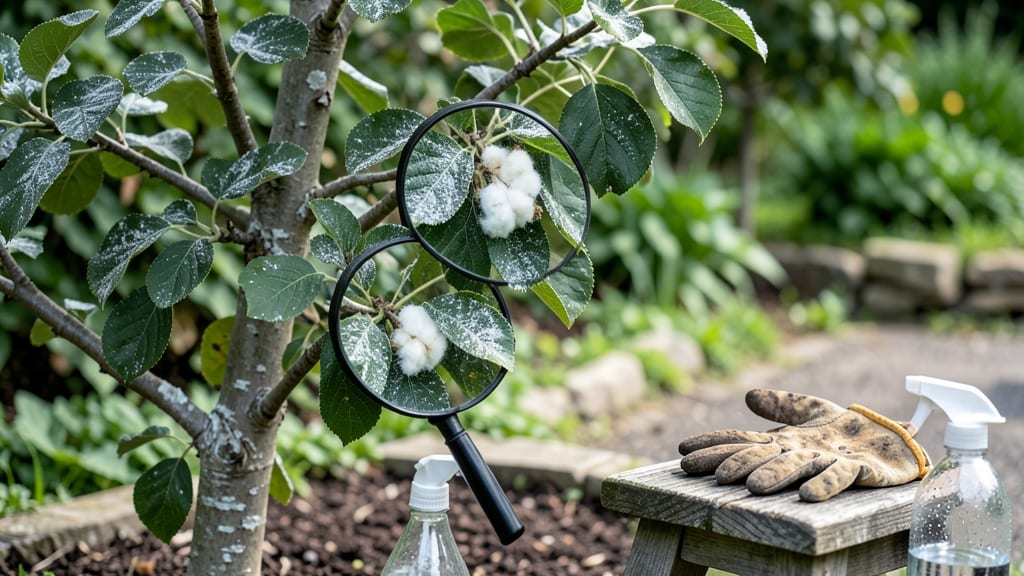
That white stuff on your tree branches isn’t just unsightly—it’s a sign your tree is sending SOS signals. 🌿 Whether it’s powdery mildew, lichen, or scale insects, ignoring it can stress your tree (and your wallet). The good news?
Most cases clear up fast with the right approach—no harsh chemicals needed. First, identify what you’re dealing with: is it fuzzy (mildew), crusty (lichen), or sticky (scale)? Each needs a different fix. For mildew, a homemade spray of baking soda and water works wonders.
Lichen? Just hose it off—it’s harmless. Scale insects? Neem oil or insecticidal soap does the trick in 7-10 days. By the end of the week, your tree will look refreshed, and you’ll avoid costly damage. The key is acting fast—before the problem spreads.
Skip the store-bought sprays; your tree (and pets) will thank you. Works for fruit trees, shade trees, and even houseplants. Let’s get that white stuff gone for good!
The Hidden Causes Behind Tree Branch Whiteness
That mysterious white stuff coating your tree branches isn’t just an eyesore—it’s often a sign of nature’s hidden battles. From microscopic invaders to environmental stress, several culprits transform your tree’s bark into a ghostly canvas.
Understanding the root causes helps you tackle the problem before it spreads. Let’s break down the science behind this puzzling phenomenon.
If the white residue resembles powdery sugar or a fuzzy film, you’re likely dealing with fungal spores. Two common offenders stand out:
- Powdery Mildew – A fungal infection that thrives in humid, shaded conditions. It spreads via wind or splashing water, forming white, powdery patches on leaves and branches. Fun fact: Some trees, like lilacs and roses, are especially susceptible, but even fruit trees can fall victim.
- White Mold (Sclerotinia) – Less common but more aggressive, this fungus creates dense, cottony growths that can smother branches. It often appears after rain or irrigation, especially in late summer.
Why it happens: Fungi release spores that land on moist surfaces, germinate, and form thread-like structures called hyphae. These hyphae weave into a network, creating the visible white mat. Poor air circulation, overwatering, or dense foliage accelerates growth. 💡 Pro tip: Check for yellowing leaves or stunted growth—common signs of fungal stress.
Sticky, shiny white streaks? Blame honeydew, a sugary waste product excreted by sap-sucking pests like aphids, scale insects, or mealybugs. This sticky residue attracts sooty mold, a black or grayish fungus that grows on top of the honeydew—sometimes appearing white when viewed from a distance.
Why it happens: Pests pierce plant cells to drink sap, leaving behind excess sugars (honeydew). When honeydew coats leaves or branches, it creates a perfect breeding ground for sooty mold spores. The mold itself doesn’t harm the tree directly, but it blocks sunlight, reducing photosynthesis and weakening the plant over time.
| Pest | Honeydew Signs | Tree Vulnerability |
|---|---|---|
| 🐜 Aphids | Sticky residue on new growth | Young, tender branches (e.g., willows, maples) |
| 🐛 Scale Insects | Thick, glossy white buildup | Citrus, oaks, and fruit trees |
| 🍄 Mealybugs | Cotton-like clusters + sticky trails | Houseplants, hibiscus, and avocados |
Not all white residue is biological. Sometimes, it’s a physical reaction to stress. Two key culprits:
- Salt or Mineral Deposits – If your tree is near a road treated with de-icing salt or lives in an area with hard water, minerals crystallize on branches as water evaporates. This creates a chalky, white crust.
- Lichen Growth – A symbiotic organism (not a parasite), lichen combines fungi and algae to form crusty or powdery white patches. It’s harmless but indicates high humidity and low light.
Why it happens:
- Salt: Sodium chloride lowers water absorption in tree bark, causing cells to excrete excess minerals as a protective layer. Over time, this can lead to bark damage.
- Lichen: It thrives where air pollution is low and moisture is high, often appearing on the upper sides of branches (unlike mold, which favors shaded areas).
🌡️ Key indicator: Run your finger over the white area. If it feels gritty (like salt) or slightly rubbery (like lichen), it’s environmental—not fungal.
Birds don’t just leave messes on sidewalks—they coat branches too. White speckles or crusty patches could be:
- Guano (dried droppings) – High in nitrogen, it can encourage fungal growth if left unchecked.
- Nesting materials – Twigs, feathers, or cobwebs mixed with bird saliva create a sticky, white residue.
Why it happens: Birds perch to rest, forage, or nest, leaving behind uric acid (a white, chalky compound in droppings). Over time, this builds up, especially on horizontal branches. While not harmful in small amounts, large accumulations can smother buds or attract pests.
🎯 Quick test: Look for actual bird activity—feathers, half-eaten fruit, or mud nests nearby. If the white stuff is clumpy or mixed with organic debris, birds are likely the culprits.
Remove and Prevent Tree Branch Buildup
Now that you know what’s causing that mysterious white stuff on your tree branches—whether it’s mold, lichen, bird droppings, or something else—it’s time to tackle the problem. Here’s a practical, step-by-step guide to cleaning and preventing future buildup, tailored to the root cause.
If your tree has a white, fuzzy, or powdery coating, it’s likely mold or mildew. These thrive in damp, shaded conditions, so act fast to stop the spread.
🔥 Cleaning Steps
- Wet the Area 💦
- Mist the branches lightly with water to loosen the mold. A hose on a gentle setting works well for smaller trees.
- Apply a Natural Fungicide 🍄
- Mix 1 part hydrogen peroxide (3%) with 3 parts water in a spray bottle.
- Alternatively, use a vinegar-water solution (1:1 ratio)—vinegar’s acidity kills mold spores.
- Spray thoroughly, ensuring the solution reaches all affected areas.
- Scrub Stubborn Spots 🧼
- For thick mold, use a soft-bristle brush (like a toothbrush) dipped in the solution to scrub gently.
- Avoid harsh scrubbers that could damage bark.
- Dry Completely 🌞
- Let the tree dry in direct sunlight (UV rays help kill remaining spores).
- If possible, trim back overhanging branches to improve airflow.
💡 Prevention Tips
- Prune for airflow 🌿: Trim dense foliage to reduce humidity near the trunk.
- Water at the base 💧: Avoid overhead watering, which encourages mold.
- Apply copper fungicide (optional) 🛡️: A preventive spray in spring can deter future outbreaks.
If the white stuff is chunky, sticky, or nest-related, birds are likely the culprits. Their droppings are acidic and can harm tree health over time.
🍳 Cleaning Steps
- Wear Gloves & Protective Gear 🧤
- Bird droppings can carry bacteria—disposable gloves and a mask are a must.
- Remove Droppings by Hand 👨🍳
- Use a damp cloth or paper towels to wipe away fresh droppings.
- For dried droppings, soak with water first to soften before scrubbing.
- Disinfect the Area 🧴
- Spray with a bleach-water solution (1 part bleach to 10 parts water) or vinegar-water mix.
- Let it sit for 5–10 minutes, then rinse with clean water.
- Deter Birds from Returning 🚫
- Install bird spikes or reflective tape near nesting areas.
- Hang predator decoys (like fake owls) to scare them off temporarily.
✨ Prevention Tips
- Remove food sources 🍞: Keep bird feeders far from trees.
- Prune nesting spots 🪓: Trim branches where birds perch or build nests.
- Use natural deterrents 🌿: Plant bird-repelling herbs (like rosemary) near the tree.
If the white stuff is crusty, slow-growing, or looks like painted-on patches, it’s likely lichen or algae. These are harmless but unsightly—here’s how to remove them without harming the tree.
🔪 Cleaning Steps
- Gently Scrape Off Loose Pieces 🪒
- Use a plastic scraper or putty knife to remove large chunks (avoid metal tools—they can scratch the bark).
- Spray with a Mild Solution 💦
- Mix 1 tablespoon of dish soap with 1 gallon of water and spray the area.
- Alternatively, use white vinegar (undiluted) for a stronger cleanse.
- Brush It Off 🌬️
- After 10–15 minutes, use a soft brush to scrub away remaining residue.
- Prevent Regrowth 🌱
- Lichen thrives in moist, shaded conditions, so improving sunlight exposure helps.
- Lightly scrub the bark with a baking soda paste (1:1 with water) to inhibit regrowth.
🎯 Prevention Tips
- Thin the canopy ☀️: Prune to allow more sunlight to reach the trunk and branches.
- Avoid overwatering 💧: Keep soil moisture in check to reduce humidity.
- Inspect regularly 👀: Catch small patches before they spread.
Regardless of the culprit, consistent care keeps your tree healthy and white-free:
- Inspect trees every 3–6 months for early signs of buildup.
- Trim dead or overhanging branches to improve airflow.
- Apply a protective bark sealant (optional) to shield against future growth.
Pro Tip: 💡 If the white stuff persists or spreads rapidly, consult an arborist—they can assess whether the tree needs deeper treatment or disease management.
Frequently asked questions
Is white stuff on tree branches always harmful?
Not always! While powdery mildew or sooty mold can harm trees, lichen and bird droppings are usually harmless (though droppings may attract pests if left unchecked). The key is identifying the type—scratch a small area: if it feels gritty (salt) or rubbery (lichen), it’s safe; if it’s fuzzy or sticky, act fast.
Can I use bleach to clean white mold or mildew?
Only for bird droppings—never on living trees! Bleach can damage bark and soil. For mildew, use a 1:1 vinegar-water spray or hydrogen peroxide (3%) solution. Always rinse after 10 minutes to avoid chemical burn. For stubborn cases, repeat every 3–5 days until gone.
Why does my tree keep getting white stuff even after cleaning?
If it keeps returning, check these common causes: poor airflow (prune dense branches), overwatering (water at the base only), or persistent pests (like scale insects). For fungal issues, apply a copper fungicide in spring/fall. If birds are the culprit, use reflective tape or bird spikes to deter them.
Is it safe to use neem oil on trees with white stuff?
Yes! Neem oil is non-toxic and effective against scale insects, mealybugs, and mild fungal growth. Mix 1 teaspoon per quart of water with a drop of dish soap, then spray affected areas. Reapply every 7–10 days until the white residue disappears. Best used in early morning or evening to avoid sunburning leaves.
When should I call an arborist instead of DIY?
Consult a pro if the white stuff is spreading rapidly, the tree shows wilted leaves or oozing sap, or you suspect bacterial canker (sunken, oozing lesions). Also call if your tree is large or mature—professionals can safely treat it without risking damage. For small trees, DIY methods usually work!