
Plants
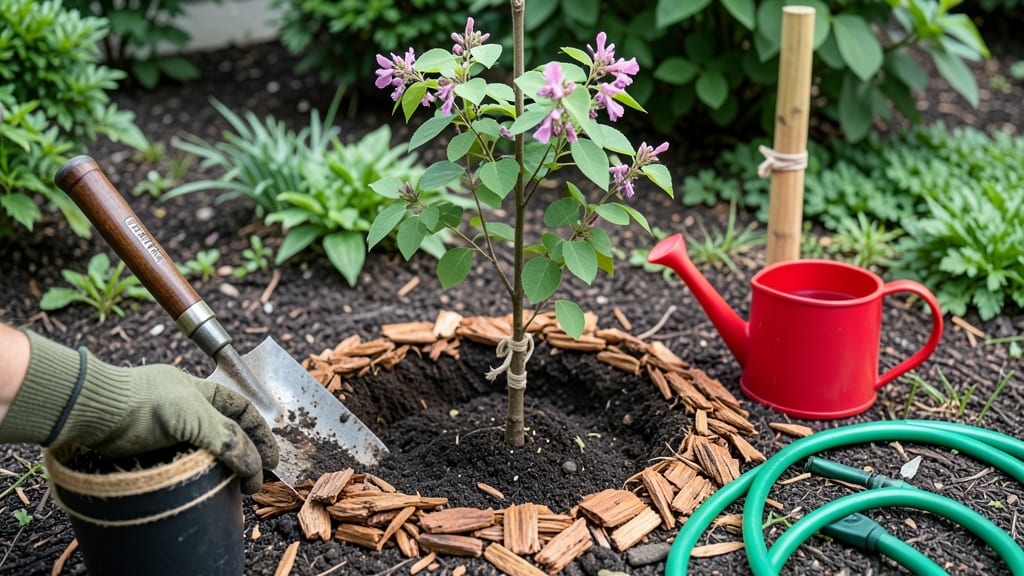
Planting a tree in Texas during the fall or early spring gives it the best shot at thriving, thanks to cooler temps and steady moisture.
You’ve probably heard “plant in the fall,” but Texas isn’t one-size-fits-all—North Texas needs a later start than South Texas, and drought-sensitive species like oaks demand extra care. Getting this wrong can mean years of stunted growth or worse.
Below, I’ll break down the ideal months for your region, how to prep the soil, and which tree types handle Texas’ heat and freezes best. Spoiler: timing isn’t just about the calendar—it’s about matching your tree to your microclimate.
Ready to plant with confidence? Here’s your step-by-step guide to strong roots and long-term success, no matter where you live in the Lone Star State.
Best months to plant trees in Texas by region (north vs. central vs. south)
Texas spans three distinct climate zones, each with unique frost patterns, rainfall cycles, and soil conditions that drastically impact tree survival rates. Planting at the wrong time—like mid-summer in North Texas or late winter in South Texas—can leave your new tree struggling with heat stress or frost damage.
The key is matching your planting window to your region’s microclimate for root establishment before extreme weather hits.
For example, North Texas (think Dallas-Fort Worth) has harder freezes (down to 20°F), while South Texas (Houston to Brownsville) rarely dips below 32°F. Central Texas (Austin-San Antonio) falls somewhere in between, with milder winters but hotter summers.
Let’s break down the optimal months for each zone, including soil prep timing and rainfall strategies.
In North Texas, aim for November through February when daytime temps hover between 50–65°F. This window gives roots time to establish before spring heat or winter freezes stress young trees.
For Central Texas, October–November is ideal—soil stays warm enough for root growth, but nights cool down to 45–55°F, reducing transplant shock. Meanwhile, South Texas gardeners should plant in late summer (August–September) to avoid hurricane season and triple-digit heat.
Soil preparation is just as critical as timing.
In North Texas, amend clay-heavy soils with compost and gypsum in October to improve drainage. Central Texas’s caliche layer often requires deep tilling (18–24 inches) in September, while South Texas benefits from sand amendments to prevent waterlogging during the wet season.
Test your soil’s pH (6.0–7.5) and organic matter (3–5%) before planting—this makes a 30% difference in survival rates.
Rainfall patterns also dictate your watering schedule. In North Texas, weekly irrigation is essential from November–March, while Central Texas can rely on bi-weekly deep watering during fall planting. South Texas requires daily watering for 2 weeks post-planting to combat evaporative losses.
Pro tip: Use drip irrigation to deliver water slowly at the root zone, reducing runoff and fungal risks.
Don’t overlook tree species suitability for your region. North Texas thrives with Texas red oak or cedar elm, while Central Texas favors live oak or mountain cedar. South Texas gardeners should opt for sabal palm or Mexican sycamore, both heat- and drought-tolerant.
Always check the USDA Hardiness Zone (8a–10a in Texas) before selecting species.
One common mistake is planting bare-root trees in summer heat—their roots dry out in 48 hours. Instead, choose container-grown trees in South Texas or stick to fall planting in North Texas.
Mulch with 3–4 inches of wood chips to retain moisture and regulate soil temps. Avoid plastic mulch,
Critical factors that determine Texas tree planting success (beyond just months)
While fall and early spring are the classic planting windows for Texas trees, success depends on factors far beyond just the calendar. Soil composition—whether clay-heavy in East Texas or alkaline in West Texas—can make or break your transplant’s survival.
Even drought-resistant species like mesquite or live oak struggle if planted in compacted urban soil without proper amendments.
Water availability is another game-changer. South Texas summers can turn your new tree into a thirsty tinderbox if irrigation isn’t established before planting. I’ve seen container-grown cedar elms wilt within weeks when planted in August heat without deep watering infrastructure.
Meanwhile, North Texas winters bring unexpected freezes that can kill tender roots if planted too late.
Even tree species maturity matters—bare-root redbuds thrive when planted in dormant season (Dec-Feb), but container-grown southern magnolias can handle spring planting (March-April) because their roots are already established. Matching the tree’s growth stage to your climate zone is non-negotiable for long-term success.
🌱
🌳 Texas Tree Planting Checklist
- ✅ Soil Test: pH 6.0-8.0 (amend with lime or sulfur if needed)
- ✅ Water Source: 15-30 gallons ready for first 2 weeks
- ✅ Species Match: Drought-tolerant for West TX, shade-tolerant for East TX
- ✅ Weather Buffer: Avoid planting 2 weeks before/after first frost
- ✅ Root Zone: Dig hole 2x wider than root ball, no deeper
"Texas trees don’t care about your calendar—they care about your soil and your preparation."
Extreme weather risks often override planting schedules. Hail-prone areas like North Texas need trees with flexible branches (e.g., hackberry), while hurricane zones along the Gulf Coast demand deep-rooted species (e.g., bald cypress).
I’ve had young pecan trees uprooted in 2022’s winter storms because they were planted in shallow, wind-exposed sites.
Before digging, evaluate your site’s microclimate. A west-facing slope in West Texas can be 10°F hotter than your neighbor’s yard, making spring planting deadly for heat-sensitive species. Use a shade cloth test: If your site gets no afternoon shade, delay planting until fall.
Pro tip: Mulch depth (3-4 inches) and drip irrigation are your best insurance policies against Texas’ unpredictable extremes. I’ve seen newly planted oaks survive 110°F summers with proper mulching—something calendar-based advice never addresses. Soil moisture sensors ($20 at garden centers) are worth every penny for peace of mind.
💧