
Flowers
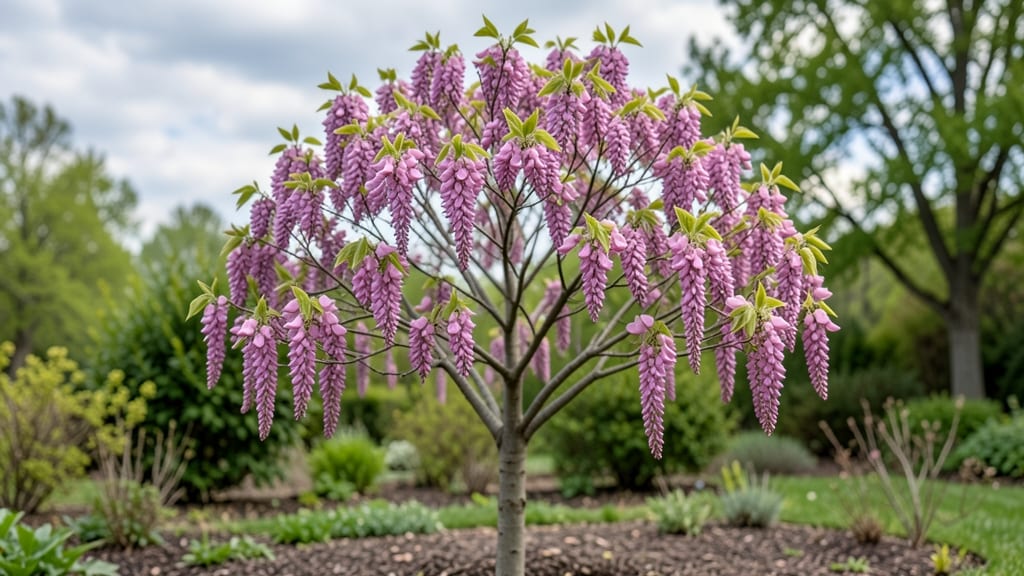
What type of tree has pink flowers? Iconic varieties like the cherry blossom (Prunus serrulata), dogwood (Cornus florida), and crabapple (Malus spp.) showcase stunning pink blooms, transforming gardens into vibrant springtime canvases.
Pink-blooming trees aren't just pretty—they're nature's way of adding seasonal drama to your yard. 🌸 Cherry blossoms, for example, burst into delicate pink clusters in early spring, while dogwoods offer bold, star-shaped blooms that last weeks.
Crabapples provide both floral splendor and edible fruit later in the season. These varieties aren't just about color; they attract pollinators and create stunning focal points when planted strategically.
What makes them especially versatile is their adaptability. Most thrive in USDA zones 5-8, with some varieties like the Japanese maple (Acer palmatum) offering year-round interest through their changing foliage.
For pollinator gardens, consider the pink flowering serviceberry (Amelanchier lamarckii)—its blossoms feed early bees while its berries feed birds later in summer.
💡 In This Article
- Identifying Pink-Blooming Trees by Season and Growth Habits
- Best Pink-Flowering Trees for Landscaping and Pollinator Gardens
Identifying pink-blooming trees by season and growth habits
The timing of pink blooms varies dramatically between species, with most appearing in spring when temperatures stabilize between 50-70°F. Cherry blossoms (Prunus serrulata) are early bloomers, often opening in late March to April, while dogwoods (Cornus florida) typically peak in May.
What's fascinating is how these trees use photoperiodism—they detect day length changes—to trigger flowering, ensuring blooms appear when pollinators are most active.
Growth habits create distinct visual impacts: cherry blossoms grow 20-30 feet tall with weeping branches, while crabapples (Malus spp.) reach 15-25 feet with dense, rounded canopies. Japanese maples (Acer palmatum) stay smaller (10-20 feet) but offer year-round interest through their delicate foliage that turns fiery red in autumn.
The pink flowering serviceberry (Amelanchier lamarckii) stands out with its 2-3 inch wide clusters of fragrant blooms that appear before the leaves emerge in early spring.
Deciduous pink-bloomers like dogwoods and crabapples provide seasonal color changes, while evergreen options like the pink-flowering rhododendron (Rhododendron 'Pink Pearl') maintain interest year-round. The key difference lies in their leaf structure: deciduous trees drop leaves annually, while evergreens retain theirs, creating distinct seasonal textures.
For example, a dogwood's smooth bark becomes more visible in winter, adding winter interest beyond just the flowers.
Fragrance plays a surprising role in identification too. Some varieties like the pink flowering magnolia (Magnolia 'Elizabeth') produce intensely sweet scents that can be detected 50 feet away, while others like the crape myrtle (Lagerstroemia indica) have minimal fragrance but striking bark exfoliation.
This sensory difference helps gardeners select trees based on whether they want visual impact or aromatic experiences.
Consider these growth characteristics when planning your landscape: taller varieties like cherry blossoms work as statement trees, while smaller options like Japanese maples suit container gardening.
The pink flowering quince (Chaenomeles speciosa) thrives in full sun to partial shade and produces 1-1.5 inch pink blooms that last through winter, making it uniquely hardy for colder climates.
What most gardeners don't realize is how bloom duration varies: dogwoods offer 2-3 weeks of pink flowers, while cherry blossoms typically last only 1-2 weeks but create a stunning visual effect through their abundant petals.
This temporal difference affects how you might layer trees in your garden for extended seasonal interest.