
Pruning
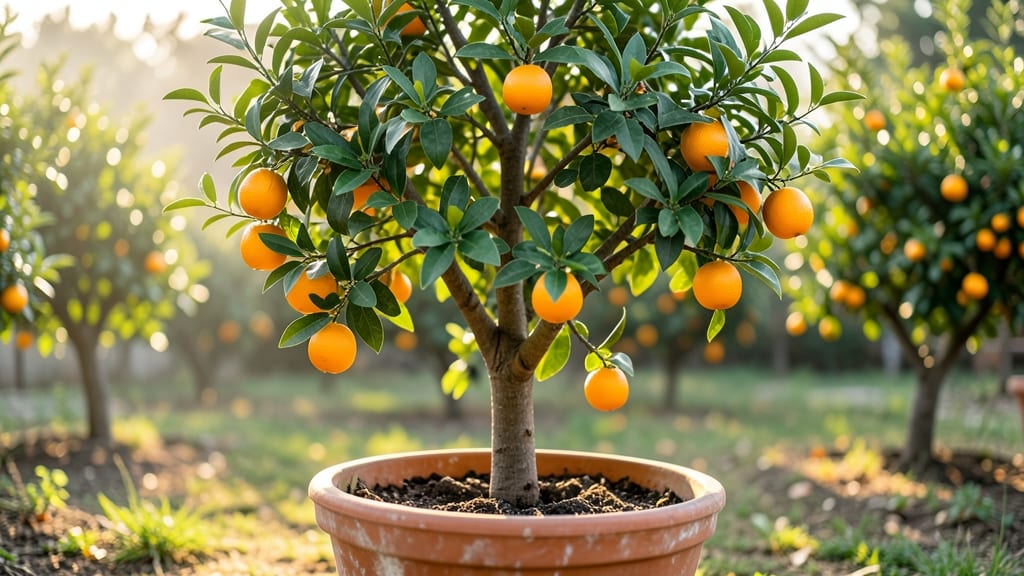
What tree has orange berries in the fall? The American beautyberry, winterberry holly, and eastern wafer ash stand out against autumn foliage and provide food for wildlife. These deciduous shrubs and small trees maintain their colorful berries until winter.
Fall is the perfect time to spot these striking shrubs, as their vibrant berries create natural focal points in gardens and landscapes. 🍂 The American beautyberry (Callicarpa americana) is especially popular for its clusters of purple-orange berries that persist through winter, while winterberry holly (Ilex verticillata) offers bright red-orange berries that birds adore.
What sets these species apart is their ability to transform ordinary landscapes into seasonal masterpieces while supporting local ecosystems.
The eastern wafer ash (Ptelea trifoliata) produces smaller orange berries that ripen in late summer but remain visible through fall, adding texture to mixed shrub borders. For gardeners in colder climates, these native species thrive with minimal care, making them ideal for low-maintenance landscaping.
💡 In This Article
- Identifying Fall Orange-Berried Trees by Region
- Best Orange-Berried Trees for Wildlife Gardens
Identifying fall orange-berried trees by region
Geographic range is the first clue to narrowing down your orange-berried trees. In the eastern U.S., the American beautyberry dominates with its 1-2 inch clusters of metallic purple-orange berries, thriving from Virginia to Florida and westward to Texas.
Its square stems and opposite leaves (3-6 inches long) make it easy to spot in sunny meadows or woodland edges. Meanwhile, the winterberry holly (Ilex verticillata) reigns in wetlands and swamps from New England to Minnesota, producing ½-inch bright red-orange berries that persist until spring.
Western regions offer different stars: the Pacific dogwood (Cornus nuttallii) showcases ½-inch orange-red berries clustered in 4-inch diameter heads, while the Oregon grape holly (Mahonia aquifolium) features ¼-inch yellow-orange berries along arching stems. The key difference?
Western species often have evergreen foliage or spiny leaves, unlike their deciduous eastern counterparts. 🌿 Berry color also varies—eastern species tend toward deeper oranges, while western types often lean yellow-orange.
Berry cluster patterns reveal even more secrets. The American beautyberry forms dense, grape-like bunches along stems, while winterberry holly produces solitary berries on separate male/female plants. This explains why you might see one plant with berries and another without!
The eastern wafer ash (Ptelea trifoliata) grows smaller, papery orange berries in loose clusters, often overlooked until their 3-5 inch compound leaves turn golden-yellow in fall. These visual cues help distinguish them from lookalikes like poison ivy (which has 3 leaflets but no berries).
Growth habits provide final confirmation. Most orange-berried trees are shrubs (3-10 feet tall), though the eastern wafer ash can reach 15 feet as a small tree. The American beautyberry typically grows 3-5 feet tall with arching branches, while winterberry holly stays 6-12 feet tall with upright stems.
This matters for garden planning—taller species need more space, while compact shrubs work well in borders. 🌳 For example, pairing a 3-foot beautyberry with a 6-foot winterberry creates a layered autumn display.
Seasonal timing offers another identification tool. Most berries ripen in late summer to early fall, but persistence varies: American beautyberry berries stay until late winter, while winterberry holly berries last until spring.
The eastern wafer ash berries drop by early winter, leaving behind distinctive papery husks. This progression helps track which species you're observing month by month. For instance, if you see berries in December, it's likely a winterberry holly or American beautyberry—both winter hardy.
One common mistake is confusing orange berries with similar-colored fruits from non-native species. The Russian olive (Elaeagnus angustifolia) produces small orange berries but has silvery leaves and invasive tendencies.
Native species like American beautyberry have no scent and smooth stems, while Russian olive emits a mild fruity aroma. This sensory difference helps protect native ecosystems from invasive spread. 🚫
For precise identification, note these regional hotspots: In the Southeast, prioritize American beautyberry and winterberry holly; in the Northeast, add eastern wafer ash; and in the Pacific Northwest, seek Pacific dogwood.
Each region's native species evolved to thrive in local climates, so their orange berries signal both beauty and ecological balance. 🌎