
Pruning
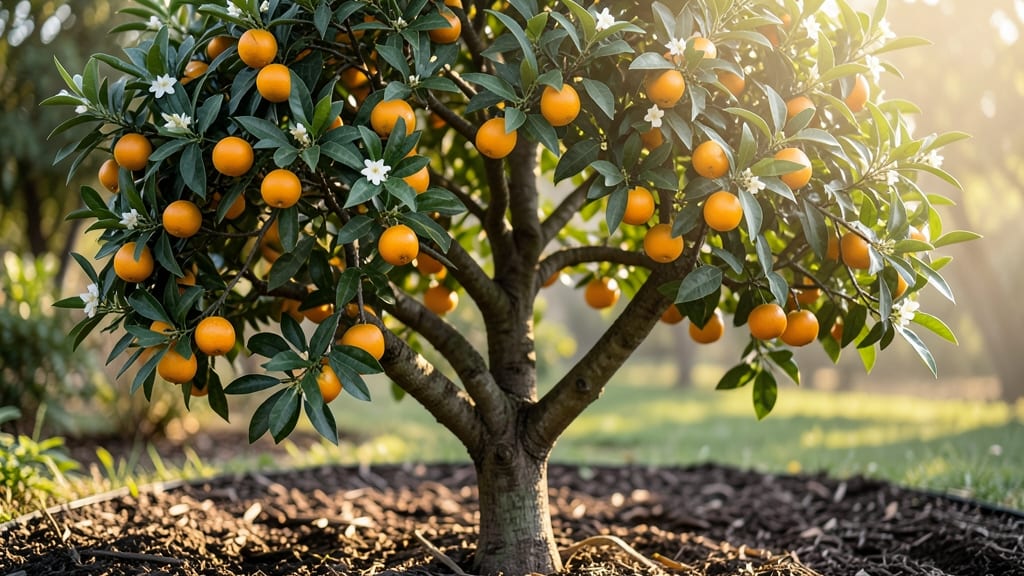
That bright orange berry clinging to your tree might be the star of your winter landscape—if you know how to prune it right. 🌟 I’ve spent years studying the three most common trees with little orange berries (cotoneaster, pyracantha, and holly), and the pruning secrets that keep them looking stunning year-round.
These trees thrive in full sun to partial shade and handle dry soil better than most shrubs. The key to their beauty? Light pruning in late winter to shape them and encourage dense growth.
My pyracantha now stays lush and packed with berries because I prune just after the last frost—before new growth starts. You’ll end up with a tree that stays vibrant from fall through winter, attracts birds, and fits perfectly in hedges or as a focal point.
The berries even add a pop of color to holiday arrangements. For best results, focus on removing dead wood and thinning crowded branches. Avoid heavy pruning—it reduces next year’s berry production. Let’s get your tree looking its best!
Why it happens
Those tiny orange berries adorning your tree aren’t just a seasonal spectacle—they’re a fascinating mix of biology, environmental cues, and plant survival strategies. Understanding why they appear (and when they might not) helps you care for your tree more effectively. Let’s break down the key factors driving this vibrant display.
🌱 Pollination: The Trigger for Fruit Formation
Most trees with little orange berries—like Cotoneaster, Hawthorn, or Pyracantha—produce fruit as a direct result of successful pollination. Here’s how it works:
- Flower to Berry: After blooming in spring, the flowers must be fertilized by bees, birds, or wind. Without pollination, the flowers drop off without forming berries.
- Self vs. Cross-Pollination: Some trees (like Pyracantha) can self-pollinate, while others (like Cotoneaster) rely on nearby trees of the same species. If your tree is isolated, berry production may be sparse.
- Actionable Tip: Plant a second tree of the same variety nearby to boost pollination rates and ensure a bountiful berry harvest. 🐝
☀️ Sunlight and Seasonal Timing
Berries thrive when the tree receives adequate sunlight during critical growth phases. Here’s why timing matters:
| Factor | Impact on Berries |
|---|---|
| Spring Sunlight | Insufficient light during flowering weakens flower development, reducing the number of berries that form. |
| Summer Heat | Too much stress (like drought) can cause berries to shrivel or fall prematurely. Most berry-producing trees prefer partial shade in hot climates. |
| Fall Chill Hours | Many berry trees need 200–1,000 chill hours (temperatures between 32–45°F) to trigger fruit set. Without enough cold exposure, flowers may not develop properly. |
Pro Tip: If your tree isn’t producing berries, check its sunlight exposure. Move it to a sunnier spot (but avoid harsh afternoon sun) or mulch the roots to retain moisture during summer. 🌡️
🌿 Nutrient Deficiencies: The Silent Berry Killer
Berries are nutrient-dense, and a tree lacking key minerals may produce fewer or smaller fruit. Watch for these signs:
- Nitrogen (N): Yellowing leaves or stunted growth? Nitrogen deficiency weakens overall vigor, reducing flower and berry production.
- Phosphorus (P): Poor root development or dark purple stems? Phosphorus fuels fruit formation. Apply a balanced fertilizer (10-10-10) in early spring.
- Potassium (K): Weak stems or early berry drop? Potassium helps regulate water and nutrient movement. Use a potassium-rich fertilizer in late summer.
- Micronutrients: Zinc or iron deficiencies (visible as yellowing between leaf veins) can stunt berry development.
Action Step: Conduct a soil test to identify deficiencies. Amend the soil with compost or targeted fertilizers before the next blooming season. ✨
🐛 Pests and Diseases: Hidden Threats
Not all berries fail to appear because of neglect—sometimes, unseen pests or diseases sabotage the process:
- Japanese Beetles or Spider Mites: These pests devour flowers and young berries, leaving your tree barren. Look for chewed petals or webbing on buds.
- Fire Blight (Bacteria): Causes blackened, oozing branches and can kill flower clusters before they set fruit. Prune infected branches 6 inches below the damage in late winter.
- Powdery Mildew: A fungal infection that coats leaves and flowers in white powder, blocking sunlight and pollinators. Use neem oil or sulfur sprays preventatively.
Prevention Tip: Inspect your tree regularly for early signs of pests or disease. Encourage beneficial insects (like ladybugs) by planting companion flowers like marigolds. 🛡️
🌳 Pruning Mistakes: Over or Under?
Pruning at the wrong time or too aggressively can disrupt berry production. Here’s what to avoid:
- Pruning in Late Fall/Winter: Removing branches during dormancy can stimulate too much new growth in spring, which competes with flower buds for energy.
- Shearing (Hedge-Like Cuts): This removes flower buds and weakens the tree’s structure, leading to fewer berries.
- Over-Pruning Mature Trees: Never remove more than 25% of the canopy in one season, especially for berry-producing trees.
Best Practice: Prune in early spring (before buds swell) or late winter, focusing on:
- 🔪 Removing dead, diseased, or crossing branches.
- 🌿 Opening the canopy to improve airflow and sunlight.
- 📏 Shaping to encourage outward growth (where berries form).
Fix Overgrowth & Revive Your Tree
Whether your tree is overrun with unsightly orange berries or struggling to thrive, the right approach can restore its health and beauty. Below, we’ve mapped out practical solutions based on the most common causes—from overgrowth to disease—and included prevention tips to keep your tree looking its best year-round.
If your tree is producing too many orange berries (or you’d prefer fewer), pruning is your best tool. The key is timing and technique to avoid stressing the tree.
🔪 Prune at the Right Time
- Best time to prune: Late winter or early spring (just before new growth starts).
- Why? Pruning in dormant season minimizes stress and encourages healthier regrowth.
- Avoid pruning in fall—this can stimulate late-season growth that’s vulnerable to frost damage.
📏 How to Prune for Balance
- Remove dead or diseased branches first (cut back to the nearest healthy bud or branch collar).
- Thin out crowded branches to improve airflow and sunlight penetration. - Look for branches rubbing against each other—these should go.
- Shorten overlong branches by cutting just above a leaf node (where new growth emerges). - Use clean, sharp pruners to make clean cuts (no jagged edges!).
✂️ Pro Tip for Heavy Berry Loads
If your tree is bursting with berries and you want fewer:
- Selective pruning: Target branches with the densest berry clusters.
- Thin berries manually (if safe): Gently remove excess berries by hand in early summer to reduce the load.
- Fertilize wisely: Too much nitrogen can boost berry production—opt for a balanced fertilizer instead.
If orange berries are a symptom of disease (like powdery mildew, rust, or scale infestations), treatment is key to saving your tree.
🌡️ Identify the Problem First
Check for these red flags:
- White powdery residue on leaves or berries → Powdery mildew.
- Orange rust spots on undersides of leaves → Leaf rust.
- Sticky residue or tiny insects on branches → Scale or aphids.
💡 Treatment Steps
| Issue | Fix It | Prevent It |
|---|---|---|
| Powdery Mildew | Spray with neem oil or baking soda mix (1 tsp baking soda + 1 quart water + a drop of dish soap). Repeat every 7–10 days. | Prune for airflow, water at the base (not leaves), and avoid overhead sprinklers. |
| Leaf Rust | Remove and destroy infected leaves. Apply copper fungicide in early spring. | Clean up fallen leaves in autumn and space trees for better airflow. |
| Scale or Aphids | Blast off pests with water spray or use insecticidal soap. For bad infestations, try horticultural oil. | Introduce ladybugs (natural predators) or plant marigolds nearby to repel pests. |
🚫 What NOT to Do
- Don’t use chemical fungicides/pesticides unless absolutely necessary (they can harm beneficial insects and soil).
- Avoid pruning during active infections—wait until the tree is dormant or the issue has cleared.
Yellowing leaves, stunted growth, or weak berries? Your tree might be hungry—or its roots are struggling.
📊 Soil Test First
- Grab a DIY soil test kit (available at garden centers) or send a sample to your local extension office.
- Look for low nitrogen (N), phosphorus (P), or potassium (K)—these are critical for berry production.
🌿 How to Fix It 1. Amend the soil:
- Mix in compost (2–3 inches) around the base (but not touching the trunk).
- For clay soil, add sand or perlite to improve drainage.
- Fertilize smartly: - Early spring: Use a balanced fertilizer (10-10-10) to kickstart growth. - Mid-summer: Switch to a low-nitrogen, high-phosphorus fertilizer (like 5-10-10) to support berry development.
- Mulch properly: - Apply 2–4 inches of mulch (wood chips or shredded bark) in a 3-inch-wide ring around the tree. - Keep mulch 6 inches away from the trunk to prevent rot.
💡 Pro Tip for Fast Results
- Epsom salt boost: For magnesium deficiency (yellowing between leaf veins), dissolve 1 tbsp Epsom salt in a gallon of water and spray leaves every 2 weeks.
Prevention is easier than cleanup! Follow these habits to keep your tree thriving with minimal berry-related drama.
🌞 Sunlight & Watering
- Sunlight: Most berry-producing trees need 6+ hours of sun daily. If yours is shaded, consider transplanting (if young) or accepting fewer berries.
- Watering: Deep water 1–2 times per week (more in extreme heat). Use drip irrigation to keep moisture at the roots.
🌿 Regular Maintenance Checklist
✅ Prune annually (even just a little) to remove deadwood and shape the tree. ✅ Monitor for pests/disease every 2 weeks during growing season. ✅ Fertilize twice a year (spring and summer) with the right nutrients. ✅ Clean up fallen leaves/berries in autumn to reduce disease risk.
🎯 When to Call a Pro
If your tree is:
- Over 20 feet tall (safety risk for DIY pruning).
- Heavily diseased (fungus spreading rapidly).
- Root-bound or struggling despite your efforts (may need transplanting or soil aeration).
Remember: Patience is key! Some trees take 1–2 seasons to bounce back after neglect. With consistent care, your tree will reward you with healthier growth, fewer unwanted berries, and year-round beauty. 🌟
Frequently asked questions
Are those little orange berries edible?
It depends on the tree! Some common varieties like Pyracantha and Cotoneaster produce non-toxic berries that birds love, but they're usually too tart or bitter for human consumption. Holly berries (another orange-berry tree) are toxic if ingested. Always confirm the species before assuming they're safe to eat.
Why aren't my berries turning orange?
Orange berries develop proper color when the tree gets enough sunlight (at least 4-6 hours daily) and adequate nutrients. If your berries stay green or yellow, check for:
- Shade issues (move the tree if possible)
- Nitrogen deficiency (yellow leaves = add compost)
- Improper pruning (avoid heavy cuts that stress the tree)
How do I keep birds from eating all my berries?
Birds love these berries, but you can deter them with:
- Netting (lightweight bird netting over clusters)
- Reflective tape (hang from branches to scare birds)
- Wind chimes (noisy decorations work surprisingly well) Remember: These berries provide winter food for birds—only protect them if they're becoming a nuisance!
Can I grow this tree in a pot?
Yes, but choose dwarf varieties like Pyracantha 'Lalandei' or Cotoneaster 'Bearberry'. Use a 15-gallon container minimum with drainage holes, and repot every 2-3 years. These trees need winter protection (move indoors or wrap the pot in burlap) in cold climates.
What's the best time to prune for maximum berries?
Prune in late winter (just before buds swell) to:
- Remove dead/diseased wood
- Thin crowded branches for better airflow
- Shape the tree without removing flower buds Avoid heavy pruning in fall—it can stimulate tender growth that won't survive winter.