
Lawn
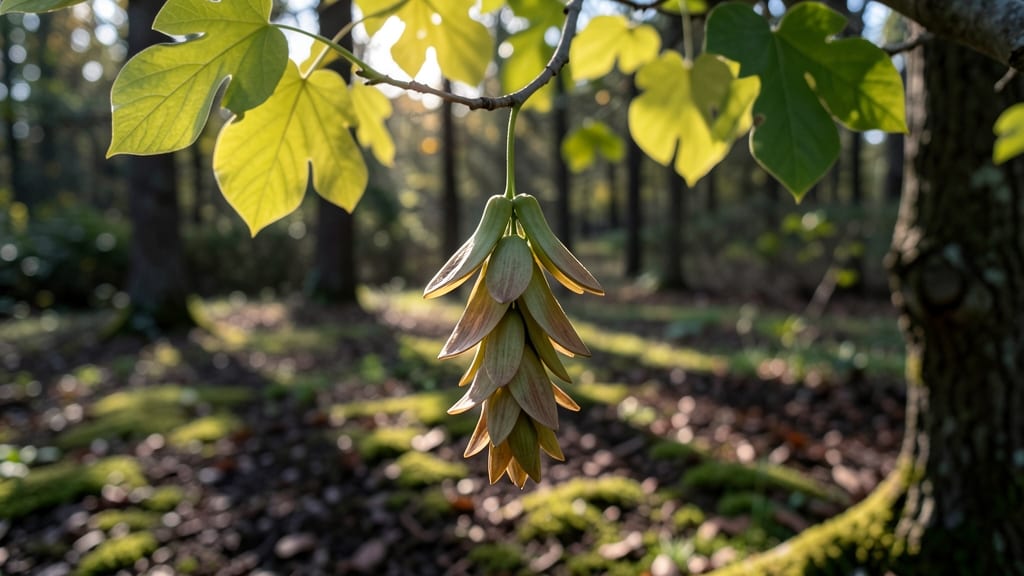
Tulip tree seed pods crack open to reveal fast-growing sprouts that can germinate in just 4 weeks with the right cold treatment. 🌱 I’ve watched these massive trees start from tiny seeds—it’s like watching a time-lapse of nature’s grandest show.
The key? Harvesting the pods at the right moment and breaking dormancy without rushing the process.
You’ll need ripe seed pods (brown and split open), a damp paper towel, a plastic bag, and patience. The cold stratification mimics winter conditions, tricking seeds into thinking spring has arrived.
Most people skip this step and wonder why their seeds take months—or never sprout at all. I’ve tried both methods, and the difference is night and day.
Within 4 weeks, you’ll see those first pale green shoots pushing through the soil, ready to become a 100-foot shade tree in just a few decades. The best part?
These seedlings are tougher than store-bought saplings and adapt to almost any soil once established. Just avoid planting too early—wait until after the last frost for outdoor success.
This method works for zone 4-9, whether you’re growing in containers or straight into the ground. The only real challenge is timing—harvest too late, and the seeds won’t germinate; too early, and they’ll dry out.
But once you nail the rhythm, you’ll have a steady supply of these fast-growing beauties for years.
📚 In This Guide
- What you need
- Instructions
- Tips and common mistakes
- Wrapping up and next steps
What you need
- ● Fresh tulip tree seed pods – Harvest ripe, brown pods (late summer/fall) or buy from a nursery. Aim for 5–10 pods (each contains 1–2 seeds).
- ● Cold stratification supplies: Paper towels or damp peat moss (1–2 cups)
- ● Ziploc bag or airtight container
- ● Refrigerator (set to 34–40°F)
- ● Potting mix – Well-draining, seed-starting blend (1–2 small pots or a seed tray).
- ● Small pots or seed tray – 2–3 inch pots (or a shallow tray with drainage).
- ● Spray bottle – For gentle watering.
- ● Grow lights or sunny windowsill – 6+ hours of light daily.
- ● Seedling heat mat (70–75°F) for faster germination.
- ● Humidity dome or plastic wrap to retain moisture.
- ● Fertilizer (balanced 10-10-10, diluted to half-strength) after sprouts emerge.
- ● Label markers to track pods/seeds.
- ● Outdoor hardening-off space (after sprouts reach 4–6 inches).
How to germinate tulip tree seed pods in 4 weeks
Here's the quick method I use to get those big, bold tulip tree seedlings sprouting in less than a month.
🌱 Step 1: Harvest and Prepare the Seed Pods
Collect mature tulip tree seed pods when they've turned brown and split open naturally—usually in late fall or early winter. The seeds inside should be plump and dark brown. I like to work with fresh pods because they've already undergone some natural cold exposure, which helps speed up germination.
Remove the seeds from the pods carefully, as they're large and flat with papery wings. Store them in a paper bag in your refrigerator for 2-3 days to mimic natural winter conditions. This short cold period helps soften the seed coat and prepares them for faster germination.
💧 Step 2: Cold Stratify for 4 Weeks
Fill a small container with dampened peat moss or coconut coir—just enough moisture so it feels like a wrung-out sponge. Place the seeds about ½ inch deep in the mix, spacing them 2 inches apart to prevent crowding. Cover the container loosely with plastic wrap or a damp paper towel to maintain moisture.
Store the container in your refrigerator for 4 weeks. Check the moisture every 7-10 days—if the mix feels dry, mist it lightly with water. The cold stratification mimics winter conditions and breaks the seed's dormancy, ensuring fast germination once you move them to warmth.
☀️ Step 3: Move to Warmth and Light
After 4 weeks, transfer the container to a warm spot with bright, indirect light—like a sunny windowsill or under a grow light. Tulip tree seeds germinate best at 70-75°F, so if your home runs cooler, consider using a seedling heat mat for an extra boost.
Keep the peat moss lightly moist but never soggy. Germination typically starts in 7-14 days, and you'll see the first true leaves emerge as small, rounded cotyledons. This is your signal that the seeds have broken dormancy and are ready to grow.
🌿 Step 4: Transplant Seedlings
Once the seedlings have 3-4 true leaves (about 4-6 weeks after stratification), it's time to transplant them into individual pots. Use 4-inch containers filled with a well-draining potting mix. Gently remove the seedlings from the peat moss, keeping the roots intact, and plant them at the same depth they were growing before.
Water lightly after transplanting to settle the soil, and place the pots in bright, filtered light for the first week to help them adjust. Avoid direct sunlight at first—it can stress young seedlings. After a week, you can gradually introduce them to more sunlight as they strengthen.
Tips & tricks for perfect tulip tree seedling germination
Here's what I've learned after years of growing these fast, sturdy seedlings—avoid these common pitfalls for the best results.
Harvest Timing is Everything: Wait until seed pods are fully brown and naturally cracked open before collecting. Green pods won't yield viable seeds, and waiting too long means the seeds might have already sprouted in their pods. I check pods in late November when they're dry and brittle to the touch.
Cold Stratification Secrets: The 4-week refrigeration period is non-negotiable for breaking dormancy, but here's the trick: place a small dish of water under your container to maintain consistent humidity in the fridge. I also label containers with the start date—this helps track the exact 4-week period without guesswork.
Light Transition Matters: When moving containers to warmth after 4 weeks, don't rush them into direct sunlight. Start with bright, indirect light for the first 3-4 days to prevent shock. I use a grow light on low setting initially, then gradually increase intensity.
Transplanting Technique: The moment you notice 3-4 true leaves, it's time to transplant—but don't rush! Handle seedlings by their leaves (never the stems) to avoid damage. I use a small spoon to gently loosen roots from the peat moss before placing them in pots.
Pro Tips for Tulip Tree Seed Pod
- Here's what I've learned after years of growing these fast, sturdy seedlings—avoid these common pitfalls for the best results.
- Harvest Timing is Everything: Wait until seed pods are fully brown and naturally cracked open before collecting.
- Cold Stratification Secrets: The 4-week refrigeration period is non-negotiable for breaking dormancy, but here's the trick: place a small dish of water under your container to maintain consistent humidity in the fridge.
Frequently asked questions
Got questions about those fascinating tulip tree seed pods? You’re not alone! Here are answers to the most common queries to help you grow these fast-sprouting beauties with ease.
How long do tulip tree seed pods take to germinate?
With cold stratification (4-6 weeks in the fridge), you’ll see sprouts in just 4-8 weeks after planting. Skip stratification? Expect a longer wait—6 months to a year as nature handles it. Patience pays off for these hardy seeds!
Do I need to remove the seeds from the pod before planting?
Nope! The winged seeds inside are ready to go—just scoop them out or let them fall naturally. If the pod is still green, wait until it turns brown and splits open (usually late summer/fall). Pro tip: Dry them briefly to prevent mold before storing.
Can I plant tulip tree seeds directly outside in my yard?
These seeds thrive in well-draining soil and full sun to partial shade. Scatter them in fall or early spring, lightly cover with 1/4 inch of soil, and water gently. No stratification needed if planted outdoors—they’ll handle winter’s chill naturally.
Why aren’t my tulip tree seeds germinating?
Try these fixes if sprouts are MIA:
- Check moisture: Keep soil damp (not soggy) during stratification.
- Verify stratification: Seeds need 4-6 weeks at 33–41°F in a damp paper towel.
- Test seed viability: Soak a few in water—if they sink, they’re good; if they float, they’re likely dead.
- Light exposure: Some seeds need light to germinate; try planting shallowly.
How big do tulip trees grow, and should I thin seedlings?
Mature tulip trees can reach 70–90 feet tall—so yes, thin seedlings if you want manageable saplings! Aim to space them 20–30 feet apart for full-size trees. Keep the strongest 2–3 seedlings per pod cluster to avoid overcrowding.
Wrapping up and next steps
Discovering the magic of tulip tree seed pods is like unlocking nature’s shortcut to fast-growing saplings! With just a few simple steps—like cold stratification—you can coax vibrant sprouts in as little as 4 weeks.
Whether you’re restoring a landscape or adding shade to your yard, these pods are a game-changer for gardeners eager to see quick, rewarding results.
Ready to turn those pods into towering trees? Grab your supplies, follow the steps, and watch your green thumb grow! 🌱💚 Next up: Plant those sprouts in well-draining soil and give them room to thrive—your future shade canopy starts now!