
Trees
Fast-growing tropical tree types turn any yard into a lush paradise within months. 🌿 I planted my first tropical tree last spring, and within just six months, it became the centerpiece of my patio—no waiting years for shade or beauty. These aren’t just slow-growing ornamentals; they deliver instant impact with minimal fuss. The right tropical tree thrives in your climate and space, whether you want towering shade or a compact statement plant. Most need full sun, well-draining soil, and regular watering (though some, like the ironwood, are surprisingly drought-tolerant once established). Pick based on your zone—some handle USDA Zones 10-12, while others (like the Mexican sycamore) stretch into Zone 9 with winter protection. You’ll love the year-round color, fragrance, and wildlife they attract. My rain tree now blooms white flowers in summer, and its feathery fronds sway even in light breezes. The best part? They grow fast enough to see progress every season. Perfect for small yards, large estates, or even large containers. Here’s how to choose the right one for your space and climate!
📚 In This Guide
- What you need
- Instructions
- Tips and common mistakes
- Wrapping up and next steps
What you need
- ● Tropical tree seedlings or saplings: Choose from 3–6 fast-growing varieties (e.g., Gumbo Limbo, Royal Poinciana, or Bamboo). Select 1–3 gallon pots or bare-root plants for direct planting.
- ● High-quality potting mix: 2–3 bags (1–2 cubic feet each) of well-draining, organic soil blend (e.g., miracle-gro potting mix or coco coir-based mix for moisture retention).
- ● Container or planting area: For pots: 5–15 gallon containers with drainage holes (size depends on tree maturity).
- ● For ground planting: Dig a hole 2–3x wider than the root ball and equally deep.
- ● Fertilizer: Slow-release granules: 1–2 lbs of balanced 10-10-10 or organic citrus blend (for tropical trees).
- ● Liquid fertilizer: 1–2 gallons of seaweed extract or fish emulsion (for a nutrient boost).
- ● Mulch: 2–3 cubic feet of pine bark or wood chips (3–4 inches thick) to retain moisture and regulate soil temp.
- ● Basic gardening tools: Trowel or hand shovel
- ● Garden gloves (waterproof)
- ● Pruning shears (sterilized)
- ○ Optional (but helpful): Soil pH tester (ideal range: 5.5–7.0 for most tropical trees)
- ● Drip irrigation kit or hose with spray nozzle
- ● Stakes and ties (for young, top-heavy trees like Royal Poinciana)
- ● Climate suitability: Ensure your USDA Hardiness Zone matches the tree’s needs (e.g., Zone 10–11 for most tropical varieties). Check local frost dates!
- ● Sunlight access: Confirm 6+ hours of direct sunlight daily (adjust for shade-tolerant types like Schefflera).
- ● Water source: Access to 10–20 gallons of water per tree for initial planting (or a reliable irrigation setup).
- ● Permits (if applicable): Check local regulations for large trees (e.g., Bamboo may require invasive species permits in some areas).
How to select and plant fast-growing tropical trees
Here's how to choose and establish tropical trees that deliver quick, lush results.
🌱 Step 1: Choose Fast-Growing Tropical Varieties
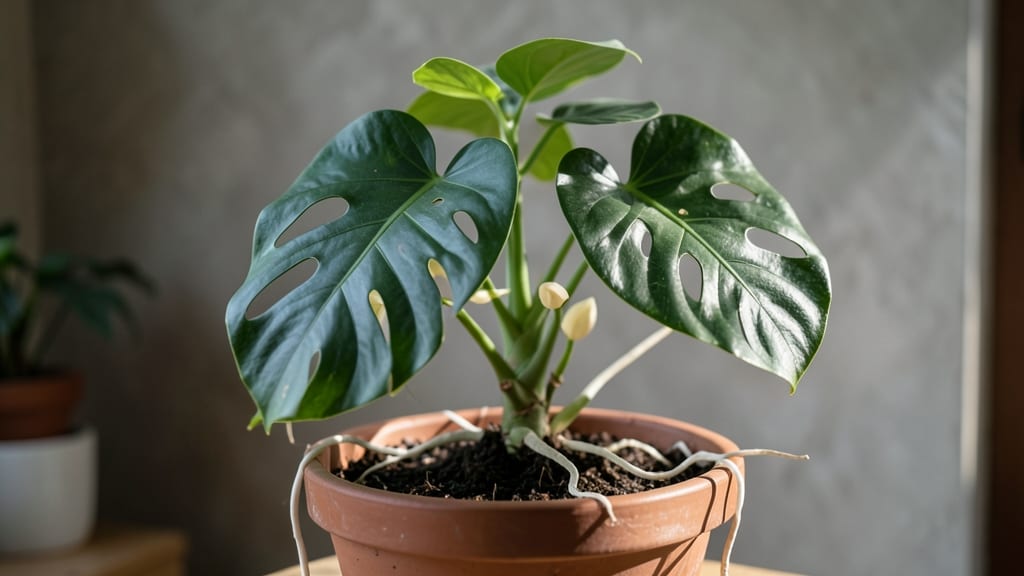
Start with proven performers like Monstera deliciosa (Swiss cheese plant) or Ficus lyrata (fiddle-leaf fig), both of which grow 12-24 inches per year under ideal conditions. These varieties tolerate indoor environments while still delivering rapid growth. I always check the plant's mature height—some tropical trees like Dracaena marginata (dragon tree) stay compact, while others like Ceiba pentandra (kapok tree) can reach 100 feet outdoors.
For containers, select dwarf varieties or prune regularly to control size. Look for healthy young specimens with symmetrical canopies and firm stems—these are the ones that establish fastest. Avoid leggy plants with sparse foliage, as they struggle to recover growth momentum.
☀️ Step 2: Position for Optimal Light and Temperature
Most tropical trees thrive in bright, indirect light—think east or west-facing windows where sunlight is gentle but abundant. A south-facing window works only if filtered through sheer curtains. You'll notice leaves darkening or developing yellow patches when light is insufficient, while direct midday sun causes crispy brown edges.
Keep temperatures between 65-80°F—these trees hate drafts or sudden temperature swings. A humidifier or pebble tray helps maintain 50%+ humidity, which mimics their native tropical environments. I place mine near bathrooms (where humidity naturally rises) or use a misting bottle daily during dry winter months.
🪴 Step 3: Plant in Well-Draining, Nutrient-Rich Soil
Use a lightweight potting mix designed for tropical plants—standard garden soil compacts and suffocates roots. I blend 50% peat moss, 30% perlite, and 20% compost for ideal drainage while retaining moisture. Fill the pot 2/3 full, then gently loosen the plant's root ball before placing it in the center.
Fill gaps with additional mix, pressing lightly to eliminate air pockets but not compacting. Water thoroughly until it drains from the bottom—this settles the soil and removes any air bubbles around delicate roots. For outdoor plantings, amend native soil with 2-3 inches of compost and a slow-release fertilizer to kickstart growth.
💧 Step 4: Water and Fertilize for Rapid Growth
Water when the top 2 inches of soil feel dry—stick your finger in to check. Tropical trees prefer consistent moisture but hate soggy roots. I water deeply until excess drains from the bottom, then empty the saucer to prevent root rot. During growth spurts (spring and summer), I fertilize every 4-6 weeks with a balanced liquid fertilizer diluted to half-strength.
You'll see new leaves forming within 4-6 weeks of proper care—that's your sign the tree is thriving. If growth slows, check light levels first—most tropical trees respond immediately to better conditions. A monthly foliar spray with diluted fish emulsion also boosts growth by providing micronutrients leaves can absorb directly.
✂️ Step 5: Prune and Train for Shape and Health
Prune in early spring before new growth begins. Remove any yellow or damaged leaves first, then trim back leggy stems by 1/3 to encourage bushier growth. I always make cuts just above a leaf node—this stimulates branching. For bamboo or palm varieties, remove old fronds at the base to redirect energy to new growth.
Train young trees by gently guiding stems along trellises or supports if they grow too tall too quickly. This prevents weak, floppy growth and keeps them stable. After pruning, water lightly and place the tree in bright, indirect light to help it recover faster. You'll notice fresh, vibrant leaves emerging within 2-3 weeks as the tree redirects energy.
Tips & tricks for fast-growing tropical trees
Real talk: Fast growth doesn't happen by accident—these small tweaks make all the difference between a struggling plant and one that thrives. Here's what nobody tells you about nurturing tropical trees that grow like they're on steroids.
Selection Strategy: When choosing between Monstera deliciosa and Ficus lyrata, go for the one with the most vibrant leaf variegation—those bold patterns signal a healthier, faster-growing specimen. I learned this the hard way after buying a pale Monstera that took twice as long to grow. Also, check the undersides of leaves for spider mites or mealybugs—pests slow growth dramatically.
Light Optimization: That east-facing window might not be bright enough for rapid growth. If your tree's leaves are darkening or developing yellow patches after a few weeks, move it closer to the light source or supplement with a grow light for 4-6 hours daily. The goal is bright, indirect light—think of it as a tropical sunbath without the harsh UV rays.
Soil Science: The 50-30-20 mix of peat moss, perlite, and compost isn't just arbitrary—it's about creating the perfect air-to-moisture balance. Press the soil mixture too firmly when repotting, and you'll suffocate those delicate roots. Instead, fill gaps with mix while gently tapping the pot to settle it naturally. For outdoor plantings, that 2-3 inches of compost is non-negotiable—it's like giving your tree a growth steroid shot.
Growth Accelerator: The 4-6 week fertilization window is your golden opportunity. Use a balanced liquid fertilizer diluted to half-strength, but here's the secret: Apply it to damp soil, not dry. This ensures immediate nutrient uptake. I also add a monthly foliar spray with diluted fish emulsion—it's like giving your tree a vitamin shot through its leaves, and you'll see those new leaves forming within 2-3 weeks.
Pro Tips for Tropical Tree Types
- Real talk: Fast growth doesn't happen by accident—these small tweaks make all the difference between a struggling plant and one that thrives.
- Selection Strategy: When choosing between Monstera deliciosa and Ficus lyrata, go for the one with the most vibrant leaf variegation—those bold patterns signal a healthier, faster-growing specimen.
- Light Optimization: That east-facing window might not be bright enough for rapid growth.
Frequently asked questions
Which tropical trees grow the fastest for quick shade or privacy?
Look for Leucaena leucocephala (White Popinac) or Albizia lebbeck (Silk Tree)—both can grow 10+ feet per year in ideal conditions. For smaller yards, Schefflera actinophylla (Umbrella Tree) is a compact but speedy option (3–5 feet annually). Just ensure they get full sun and regular watering!
How long does it take for tropical trees to mature and provide full shade?
Most tropical trees reach mature height in 3–7 years, but shade depends on density. Fast growers like Delonix regia (Flamboyant Tree) offer partial shade in 2–3 years, while denser types (e.g., Ficus benjamina) may take 5+ years for full coverage. Pro tip: Prune young trees to encourage bushier growth!
Can tropical trees survive drought or heavy rain?
Some thrive in humidity (e.g., Musa basjoo—hardy banana trees), while others, like Cocos nucifera (Coconut Palm), need consistent moisture but tolerate brief dry spells. For drought resistance, choose Bauhinia variegata (Orchid Tree)—it’s tough once established! Always check your tree’s native climate for clues.
Are there low-maintenance tropical trees for beginners?
Melia azedarach (Chinaberry) and Tabebuia chrysantha (Golden Trumpet Tree) are disease-resistant and need minimal pruning. Ficus microcarpa (Ginseng Fig) is another winner—it’s drought-tolerant and rarely pests. Just avoid overwatering and fertilize lightly twice a year.
What should I do if my tropical tree’s leaves turn yellow or drop?
Yellowing leaves often signal overwatering or nutrient deficiency. Check soil moisture (stick your finger 2 inches deep—if soggy, reduce watering). Brown edges? It could be underwatering or salt buildup (flush soil with fresh water). Quick fix: Test soil pH (aim for 6.0–7.5) and feed with a balanced tropical fertilizer (e.g., 6-6-6 NPK).
Wrapping up and next steps
From towering mahogany to vibrant flamboyant trees, tropical varieties offer year-round beauty—and many grow surprisingly fast! Whether you’re restoring a landscape, seeking shade, or adding curb appeal, these trees deliver low-maintenance elegance with high rewards. 🌿
Ready to transform your space? Start by researching one or two varieties that match your climate and soil, then contact a local nursery for expert advice. Planting a tropical tree isn’t just gardening—it’s an investment in long-term beauty and biodiversity. Happy growing! 🌱