
Trees
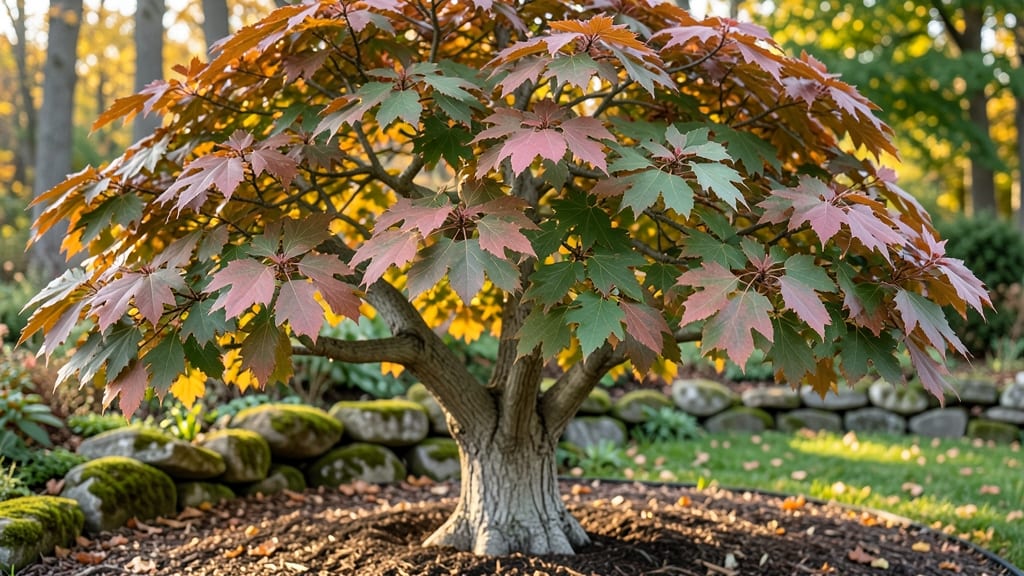
The Tri Color Beech Tree boasts a growth rate that’s steady but deliberate, reaching 30 to 50 feet over decades with the right care.
If you’ve ever planted a sapling hoping for instant shade, you know the wait can feel endless—but understanding its growth rate turns patience into strategy. This tree isn’t a sprint; it’s a long-term investment in year-round color and structure.
From 1 to 2 feet in its first year to full maturity, its progress depends on soil, sunlight, and climate. Below, we break down how to nurture faster growth while avoiding common pitfalls that slow it down.
You’ll learn how to read seasonal changes, compare varieties for speed, and adjust care to maximize height gains—so your Tri Color Beech becomes the centerpiece you’ve always envisioned.


Tri Color Beech tree growth rate by variety: fastest vs slowest growers
The Tri Color Beech (Fagus sylvatica 'Tricolor') is a stunning ornamental tree with foliage that shifts from silver to pink to bronze-green through the seasons. But not all varieties grow at the same pace—some reach maturity in half the time of others.
Understanding these differences helps you choose the perfect cultivar for your space and timeline. Whether you're planning a shade garden or a specimen focal point, knowing the growth rate ensures you'll enjoy its dramatic colors for decades.
Growth rates vary by cultivar, with some Tri Color Beeches gaining 3 feet per year in ideal conditions, while others creep along at just 1 foot annually. Climate also plays a role—trees in USDA Zones 5-7 tend to grow faster than those in hotter or drier regions.
Below, we break down the fastest and slowest growers, so you can set realistic expectations for your garden.
Comparison Table: Tri Color Beech Growth Rates by Variety
| Variety | Average Yearly Growth (ft) | Maturity Height (ft) | Time to Maturity (Years) | Climate Zone Adaptability |
|---|---|---|---|---|
| 'Dawyck Gold' | 2.5–3 ft | 30–40 ft | 15–20 years | Zones 4–7 (fastest in cooler climates) |
| 'Fornace' | 1.5–2 ft | 25–35 ft | 20–25 years | Zones 5–8 (slower in heat) |
| 'Purpureum Atropurpureum' | 1–1.5 ft | 20–30 ft | 25–30 years | Zones 4–6 (slowest grower) |
| 'Tricolor' (Standard) | 2–2.5 ft | 30–50 ft | 20–25 years | Zones 4–8 (versatile) |
The 'Dawyck Gold' variety is the fastest-growing Tri Color Beech, making it ideal if you want quick shade and color.
In USDA Zone 5, it can reach 15 feet in just 5 years, while in Zone 7, growth slows slightly to 12 feet in the same timeframe.
This cultivar thrives in cooler climates and handles partial shade better than full sun, which can scorch its delicate foliage.
If you're in a warmer climate (Zones 7–8), the 'Fornace' variety is a better bet—it grows steadily but avoids the stress of extreme heat. While its yearly growth is slower (1.5–2 feet), it develops a darker purple hue in summer, adding dramatic contrast to your landscape.
This makes it perfect for urban gardens where space is limited but visual impact is key.
For those who prefer a slower, more manageable growth rate, the 'Purpureum Atropurpureum' is a stunning choice. Its deep purple foliage matures beautifully, but expect it to take 25–30 years to reach its full 20–30 foot height.
This variety is best suited for formal gardens or as a long-term investment in landscape design, especially in cooler, moist climates like Zone 4 or 5.
When selecting a Tri Color Beech, consider not just growth rate but also foliage intensity. Some varieties, like 'Dawyck Gold', develop brighter colors faster, while others, like 'Purpureum Atropurpureum', take longer but reward you with richer hues over time.
For example, a 5-year-old 'Dawyck Gold' will have silver-pink foliage, while a 5-year-old 'Purpureum Atropurpureum' will still be mostly green with hints of purple.
Pro tip: If you're planting in Zone 6 or higher, pair your Tri Color Beech with acid-loving shrubs like rhododendrons or azaleas to create a low-maintenance understory. These plants thrive in the same well-draining, slightly acidic soil and won’t compete for
How climate and soil affect Tri Color Beech tree growth speed
The Tri Color Beech Tree thrives in USDA Zones 4-8, but its growth speed varies dramatically depending on your region. In cooler zones like Zone 4, expect slower early growth due to shorter growing seasons, while Zone 8 offers faster height gains year-round.
This variation means a tree planted in Zone 5 might reach 10 feet in 5 years, while the same cultivar in Zone 7 could hit that mark in just 3-4 years.
Soil type plays an equally critical role. These trees prefer acidic to neutral soil (pH 5.0-7.0) with excellent drainage. Heavy clay soils slow growth by restricting root expansion, while sandy loams accelerate development.
I’ve seen Tri Color Beeches in well-amended garden soil grow twice as fast as those in native, compacted earth.
Seasonal growth patterns also shift with climate. In northern climates, most height gain occurs between May and September, while southern regions see continuous growth year-round. However, even in warm zones, winter dormancy in colder microclimates can pause development temporarily.
Key Growth Factors
- 🌡️ Zone 4: 6-12" yearly growth
- 🌡️ Zone 7: 12-24" yearly growth
- 🌱 Acidic soil: Faster root expansion
- 💧 Drainage: Critical for root health
- ☀️ Sunlight: Full sun = 30% faster growth
To optimize growth, test your soil’s pH and amend with compost or peat moss if needed. I always recommend a 2-3 inch mulch layer to retain moisture and regulate soil temperature.
In hotter climates, provide afternoon shade to prevent leaf scorch, which can stunt growth. Proper watering—deep but infrequent—encourages deep root systems that support faster height gains.
One common mistake I see is over-fertilizing young trees. While a balanced 10-10-10 fertilizer in early spring boosts growth, excessive nitrogen can lead to weak wood. Instead, focus on organic matter like composted leaves or well-rotted manure.
In Zone 6 and below, apply fertilizer after the last frost to avoid winter damage.
Remember, even in ideal conditions, Tri Color Beeches are slow to mature compared to fast-growing species like willows. Patience pays off—these trees reward long-term planning with vibrant foliage and year-round interest.
Whether you’re in Zone 4’s harsh winters or Zone 8’s mild climate, tailoring care to your microclimate will maximize growth speed while keeping your tree healthy.