
Flowers
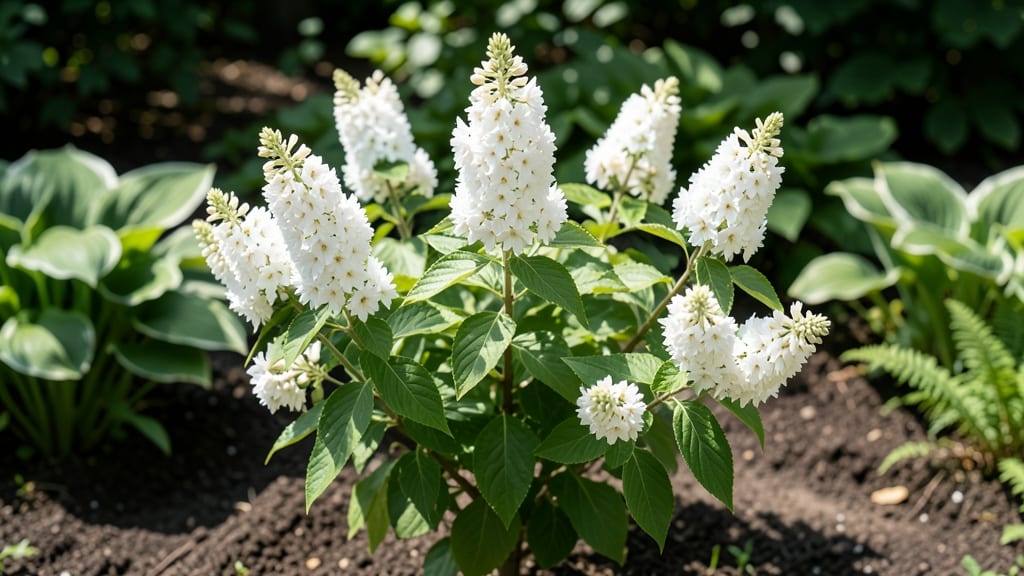
A tree with white panicle flowers transforms any garden into a dreamy, light-filled sanctuary. 🌿 I’ve always loved how they catch the sunlight just right—creating a soft glow that lasts from early summer through crisp fall.
These trees aren’t just pretty; they’re the backbone of a garden that feels inviting year-round, whether you’re sipping coffee on the porch or strolling through a moonlit backyard.
Think Hydrangea paniculata with its dramatic, cone-shaped blooms that shift from white to blush, or Japanese Snowbell with its delicate, bell-shaped flowers that perfume the air. Even a Weeping Willow adds grace with its cascading branches and airy white plumes.
They work as standalone stars or woven into mixed borders, their vertical lines drawing the eye upward while softer perennials fill in below.
What makes them special is how they age beautifully—dried panicles in winter add texture, and some varieties even produce colorful fall foliage. Plant them near seating areas to enjoy their scent up close, or use them as a focal point in entryways where their height creates drama.
The best part? They pair effortlessly with almost anything—hostas for shade, lavender for contrast, or even a simple gravel path to let their elegance shine.
For small spaces, dwarf varieties like Hydrangea paniculata ‘Little Lime’ deliver big impact without overwhelming. In larger gardens, let them anchor a mixed border or frame a patio.
The key is giving them room to grow while keeping their natural shape—no heavy pruning needed. Just sit back and watch your garden glow.
📚 In This Guide
- What you need
- Instructions
- Tips and common mistakes
- Wrapping up and next steps
What you need
- ● Tree with white panicle flowers (e.g., Hydrangea paniculata, Weigela florida, or Abelia × grandiflora): 1-3 mature trees (for instant impact) or
- ● Seedlings or bare-root plants (3-5 for spacing flexibility)
- ● Well-draining soil mix (pH 5.0–6.5 for most varieties): 50% native soil + 30% compost + 20% perlite/sand
- ● Organic mulch (2–3 inches): Wood chips, shredded bark, or pine straw
- ● Slow-release fertilizer (10-10-10 or balanced organic): 1–2 lbs per tree (sprinkle in planting hole)
- ● Garden trowel or spade
- ● Shovel (for digging)
- ● Pruning shears (sterilized)
- ● Watering can or hose with spray nozzle
- ○ Garden gloves (optional but recommended!)
- ● Measuring tape (for spacing)
- ● Sunlight: 6+ hours of partial sun (morning sun + afternoon shade works best for most varieties).
- ● Spacing: 6–10 feet apart for mature trees (check species guidelines!)
- ● Watering schedule: Deep watering 2–3 times per week for the first month, then taper as roots establish.
- ● Climate: Hardy to USDA Zones 4–9 (verify for your specific tree type).
- ● Epsom salt (for magnesium-rich soil, 1 tbsp per gallon of water monthly)
- ● Tree stakes + soft ties (for young saplings in windy areas)
- ● Decorative rocks or edging (to enhance the garden bed)
- ● Drip irrigation system (for low-maintenance watering)
Step-by-step guide to planting and caring for a white panicle flower tree
Here’s how to establish your tree for stunning seasonal blooms and year-round interest.
🌱 Step 1: Choose the Right Location and Prepare the Soil
White panicle flower trees thrive in full sun to partial shade, so select a spot with at least 6 hours of direct sunlight daily. I always check the tree’s mature height and spread—these trees grow 20-30 feet tall, so give it plenty of room to avoid future pruning headaches. Dig a hole twice as wide and just as deep as the root ball.
Amend the native soil with 2-3 inches of compost mixed into the bottom of the hole. This improves drainage and provides nutrients for strong root establishment. If your soil is heavy clay, add a handful of perlite or coarse sand to loosen it. Tap the tree’s root ball gently to remove excess soil, then place it in the hole so the top of the root ball sits 1 inch above ground level.
🪴 Step 2: Plant and Water Deeply for Initial Support
Backfill the hole with native soil, tamping down gently every 4-6 inches to eliminate air pockets. Water thoroughly as you go to help the soil settle. Once planted, create a 4-inch deep watering basin around the tree’s base—this directs moisture straight to the roots where it’s needed most.
Give the tree a deep watering right after planting, providing 1-2 gallons of water to encourage roots to spread outward. Mulch the base with 2-3 inches of organic mulch (like shredded bark), keeping it 6 inches away from the trunk to prevent rot. This mulch layer helps retain moisture and regulates soil temperature.
☀️ Step 3: Maintain Seasonal Care for Year-Round Beauty
Water deeply once a week during the first growing season, letting the soil dry out slightly between waterings. You’ll know it’s time when the top 2 inches of soil feel dry to the touch. Once established, these trees are drought-tolerant, but young specimens need consistent moisture to develop strong roots.
Fertilize in early spring with a balanced, slow-release fertilizer (10-10-10 ratio) to support new growth. Avoid heavy-handed fertilizing—too much nitrogen can reduce flowering. Prune in late winter or early spring to remove dead or crossing branches, shaping the tree as needed. Always use clean, sharp pruners to make cuts just above a bud or branch collar.
✂️ Step 4: Protect and Encourage Blooms Year After Year
Watch for pests like aphids or scale insects, which can weaken the tree. I spray with neem oil at the first sign of trouble—it’s organic and effective. For white panicle trees, deadheading spent blooms isn’t necessary, but removing any diseased branches promptly keeps the tree healthy. These trees bloom on old wood, so pruning after flowering won’t affect next year’s display.
In colder climates, young trees may need winter protection. Wrap the trunk with tree guard to prevent rodent damage and apply a 3-inch layer of mulch around the base to insulate roots. Mature trees handle winter well, but a little extra care in the first few years makes all the difference.
Tips & tricks for planting and caring for white panicle flower trees
These simple tricks will help you establish a thriving white panicle flower tree that brings beauty to your garden for years to come.
Sunlight Secret: While 6 hours of sunlight is the minimum, I’ve found that trees in full sun (8+ hours) produce more abundant blooms and stronger growth. If your location gets less light, choose a spot with morning sun and afternoon shade to give your tree the best chance. Watch for leaf yellowing—this is often the first sign your tree isn't getting enough light.
Soil Prep Strategy: The 2-3 inches of compost recommendation is perfect, but don’t stop there. In heavy clay soils, I mix in an additional handful of coarse sand or perlite right at the bottom of the hole before adding compost. This creates a drainage layer that prevents waterlogging, which can suffocate young roots. The 1-inch elevation above ground level is critical—it prevents water from pooling around the trunk during heavy rains.
Watering Wisdom: That initial 1-2 gallons of water after planting is just the beginning. I recommend giving your tree a second deep watering 3 days later to encourage roots to spread outward. The 4-inch watering basin is brilliant—it focuses water exactly where the roots need it most. For the first year, I check soil moisture by sticking my finger 2 inches deep—if it feels dry, it’s time to water again.
Winter Protection: The 3-inch mulch layer is fantastic for insulation, but I’ve learned that adding a breathable tree wrap around the trunk in late fall prevents sunscald damage. This is especially important in areas with temperature swings. I also avoid piling mulch directly against the trunk—keeping it 6 inches away prevents rot while still protecting roots from freezing temperatures.
Pro Tips for Tree With White Panicle Flowers
- These simple tricks will help you establish a thriving white panicle flower tree that brings beauty to your garden for years to come.
- Sunlight Secret: While 6 hours of sunlight is the minimum, I’ve found that trees in full sun (8+ hours) produce more abundant blooms and stronger growth.
- Soil Prep Strategy: The 2-3 inches of compost recommendation is perfect, but don’t stop there.
Frequently asked questions
Got questions about growing and caring for trees with stunning white panicle flowers? Here are some of the most common ones—plus straightforward answers to help you keep your garden blooming beautifully!
What’s the best time to plant a tree with white panicle flowers?
Plant your tree in early spring or fall when temperatures are mild. This gives roots time to establish before extreme heat or cold. Avoid planting in summer—young trees can struggle with drought stress. If you’re in a warm climate, fall is ideal to prevent winter shock.
How often should I water a newly planted tree with white panicle flowers?
Water deeply 2–3 times per week for the first year, ensuring moisture reaches 12–18 inches below the soil. After that, water once a week (or more in drought conditions). Mulch around the base to retain moisture—just keep it 3–4 inches away from the trunk to avoid rot.
Do these trees survive cold winters? What’s the hardiest variety?
Most white panicle trees (like Hydrangea paniculata or Abelia) thrive in USDA Zones 5–9. For colder climates, choose Hydrangea paniculata ‘Limelight’ or Abelia × grandiflora, which handle frost well. In Zone 4 or below, opt for container-grown trees or provide winter mulch.
Why aren’t my white panicle flowers blooming as much as expected?
Lack of blooms often stems from over-pruning (cut back in late winter only), poor sunlight (they need 6+ hours of sun), or nutrient deficiencies. Try a balanced fertilizer in spring, and avoid heavy pruning after mid-summer—new growth won’t have time to flower next year!
Are there drought-tolerant alternatives to trees with white panicle flowers?
Yes! If you’re in a dry climate, consider:
- Abelia × grandiflora – Thrives with minimal water once established.
- Weigela florida – Drought-resistant and blooms prolifically.
- Spirea japonica – Low-maintenance and heat-tolerant.
Wrapping up and next steps
Adding a tree with white panicle flowers to your garden is a game-changer—it brings timeless elegance and effortless beauty year-round! Whether you’re drawn to the delicate blooms of the Amelanchier or the bold charm of the Weigela, these trees offer low-maintenance allure while supporting local wildlife. 🌿
Ready to transform your outdoor space? Start small—research the best variety for your climate, then plant with confidence! With the right care, your white panicle tree will thrive, becoming the stunning centerpiece you’ve always dreamed of. Happy gardening! 🌸