
Flowers
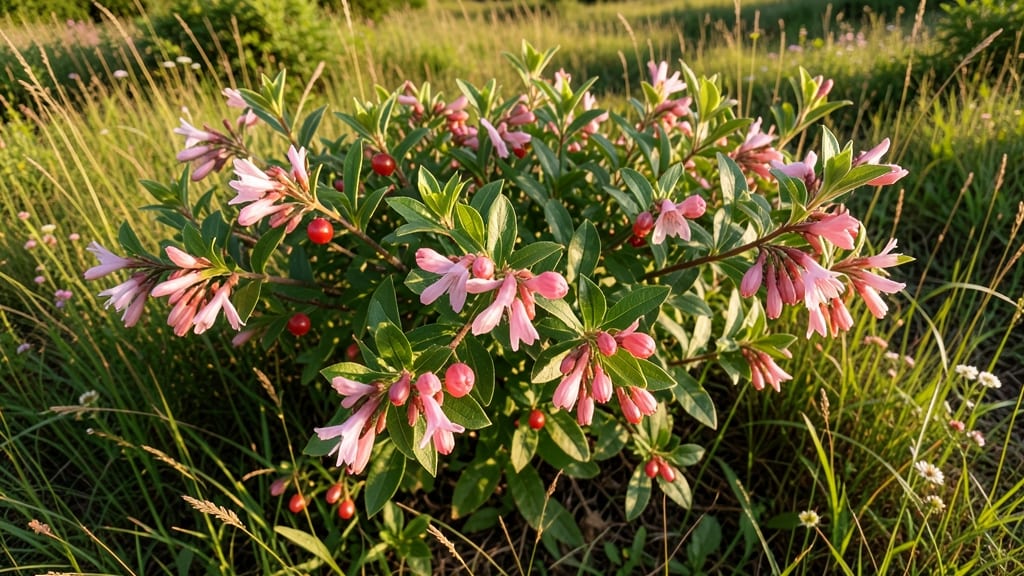
Transform your garden into a pollinator paradise with these 10 stunning trees that bloom with honeysuckle-like flowers. Their fragrant blossoms attract bees, butterflies, and hummingbirds while adding year-round interest to any landscape.
Japanese Honeysuckle Tree (Lonicera japonica)
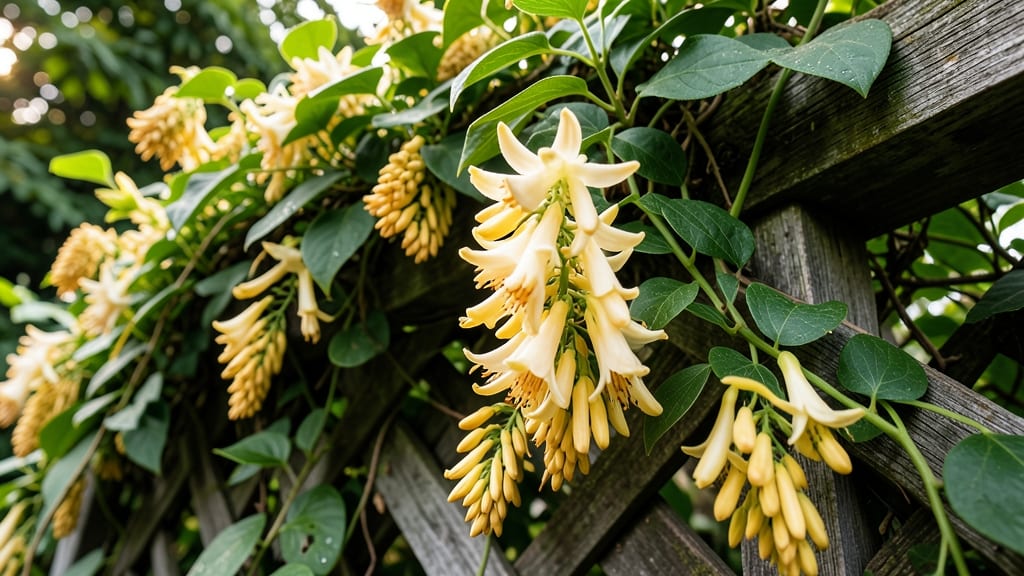
If you crave a garden that hums with life and fragrance, the Japanese honeysuckle (Lonicera japonica) delivers—with tubular, intensely sweet blooms that hummingbirds can’t resist. Unlike its shrubby cousins, this vigorous climber grows aggressively, making it perfect for trellises, arbors, or even training along fences to create a fragrant living screen.
Native to Asia but naturalized worldwide, it thrives in full sun to partial shade and handles drought once established, though it prefers consistent moisture for peak blooming. Prune lightly after flowering to maintain shape, but avoid heavy cuts—this plant rewards patience with prolonged blooms from late spring to fall. The creamy-white flowers (sometimes tinged pink) release their scent at dusk, adding a magical evening aroma to your garden.
Ideal for urban gardeners, pollinator enthusiasts, or anyone with vertical space, this honeysuckle is a low-maintenance superstar that turns fences into fragrant canopies. Just be warned—its rapid growth may require occasional taming! 🌻
Forsythia (Forsythia x intermedia)
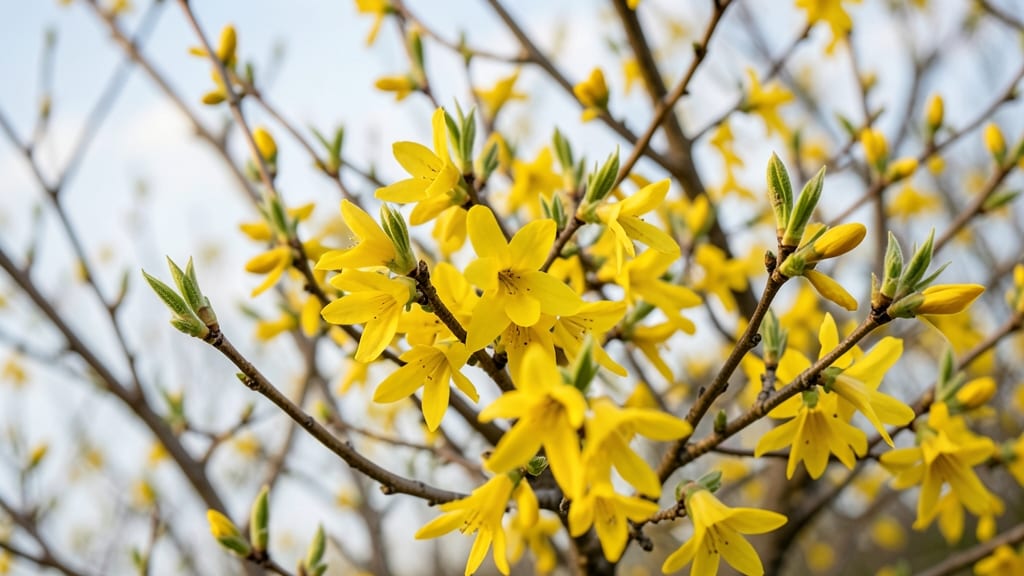
If you crave a springtime pop of color that feels like sunshine in bloom, forsythia (Forsythia x intermedia) is your go-to shrub. Its bright yellow, honeysuckle-like flowers erupt before leaves even unfurl, signaling the season’s arrival with a bold contrast against emerging greenery.
This deciduous shrub thrives in full sun to partial shade and adapts to most soils, making it ideal for small gardens or hedges. Prune after blooming to maintain shape, and watch it reward you with weeks of vibrant color—often the first showstopper in early spring. Its fast growth and low-maintenance nature make it perfect for beginners or busy gardeners.
Forsythia’s cheerful blooms create instant curb appeal and pair beautifully with purple or blue perennials to enhance its sunny hue. Urban gardeners and pollinator enthusiasts will love how it attracts early-season bees. 🌻
Deutzia (Deutzia gracilis)
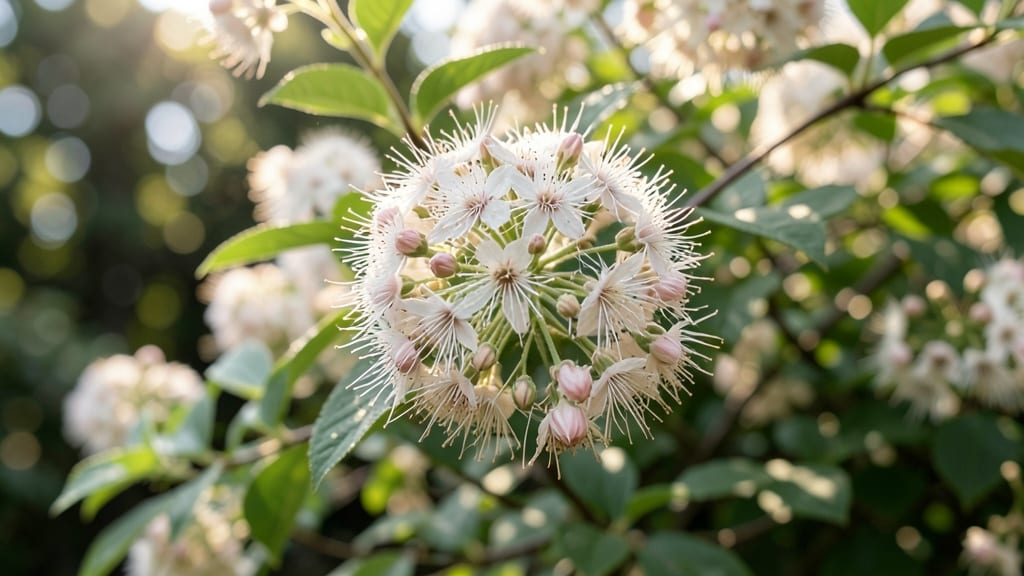
If you love the look of honeysuckle but want a low-maintenance shrub-tree that thrives in partial shade, Deutzia gracilis is your answer. This compact beauty produces delicate, airy clusters of white or pink flowers that mimic tiny honeysuckles, creating a dreamy, romantic garden atmosphere.
Unlike its climbing cousins, Deutzia gracilis stays neatly contained (reaching 3-6 feet tall) and blooms repeatedly from late spring through summer, giving you weeks of color. It’s perfect for woodland gardens, shade borders, or even containers, as it tolerates a range of soil types and only needs moderate watering once established. The blooms also attract pollinators like bees and butterflies, making it a functional addition to any landscape.
This versatile shrub is ideal for gardeners who want fragrant, honeysuckle-like flowers without the vine’s invasiveness. Its repeated blooming habit ensures your garden stays lively long after spring’s first flush of flowers fades. 🌷
Weigela (Weigela florida)
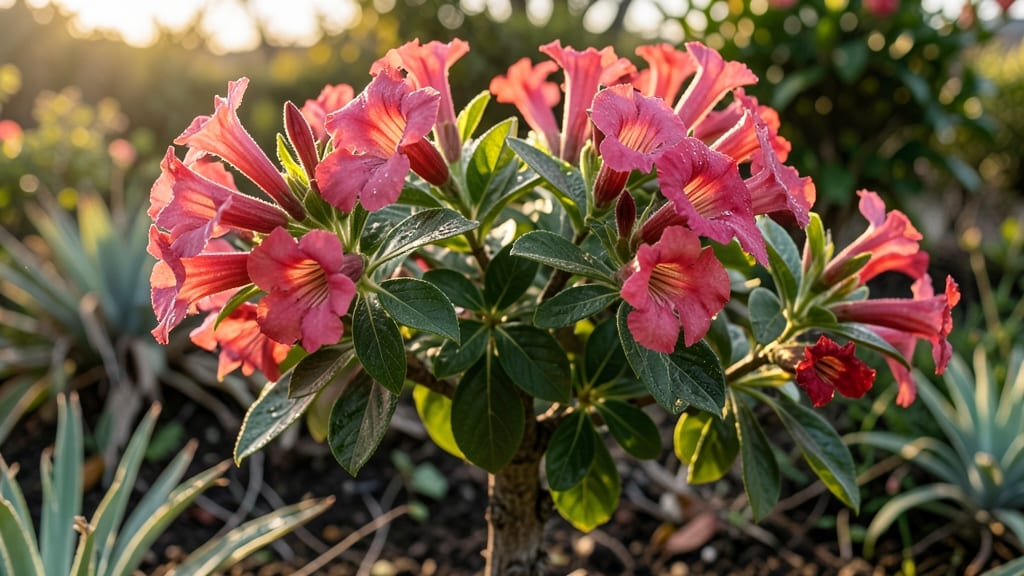
If you want a hummingbird magnet that blooms like clockwork from spring to summer, Weigela (Weigela florida) delivers with its trumpet-shaped pink or red flowers. Unlike finicky plants, this shrub thrives on neglect once established, making it perfect for busy gardeners or drought-prone areas.
Plant it in full sun to partial shade and watch it reward you with prolific blooms that last for weeks. Prune lightly after flowering to shape it, but avoid heavy cuts—this shrub prefers a natural, airy form. Its drought-tolerant nature means you’ll spend less time watering and more time enjoying its vibrant display.
Ideal for foundation plantings, borders, or mixed shrub beds, Weigela adds a pop of color while supporting pollinators. Perfect for beginners or low-maintenance gardens, it’s a standout choice for seasonal interest. 🌟
Abelia (Abelia x grandiflora)
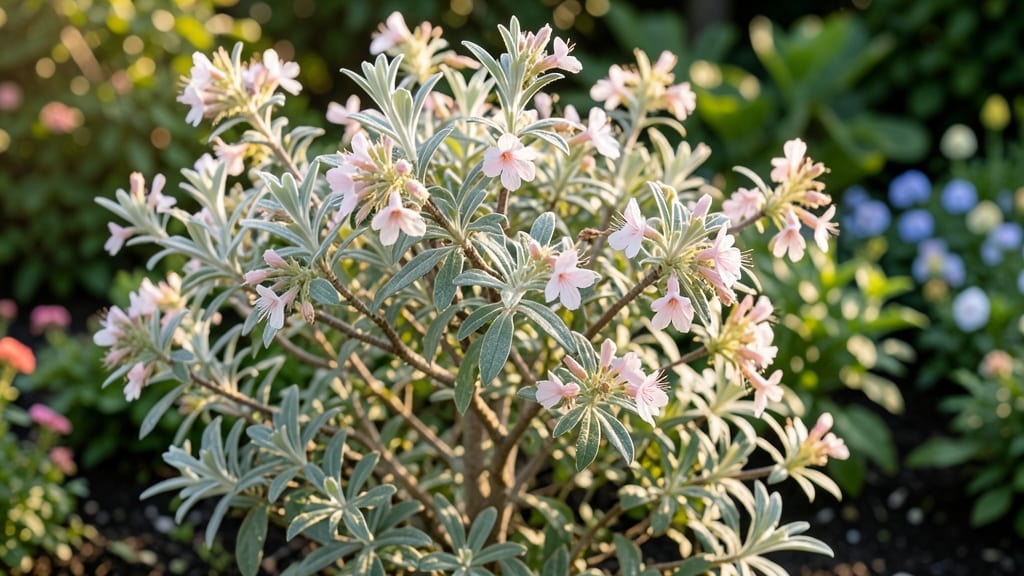
If you love the sweet scent of honeysuckle but want a low-maintenance shrub that thrives in tough conditions, Abelia (Abelia x grandiflora) is your answer. This semi-evergreen beauty produces delicate, fragrant white or pink flowers that mimic miniature honeysuckles, filling your garden with a light, citrusy perfume from late spring through fall.
What sets Abelia apart is its heat and humidity tolerance, making it a standout for southern gardens or urban containers. It handles poor soil and drought once established, while its glossy leaves stay lush year-round. Prune lightly after blooming to shape it, and watch it reward you with continuous blooms that pollinators adore.
Perfect for beginners or busy gardeners, Abelia adds four-season interest with minimal fuss—whether planted as a border, in mixed shrub beds, or even in large pots. 🌿
Chionanthus (Chionanthus virginicus)
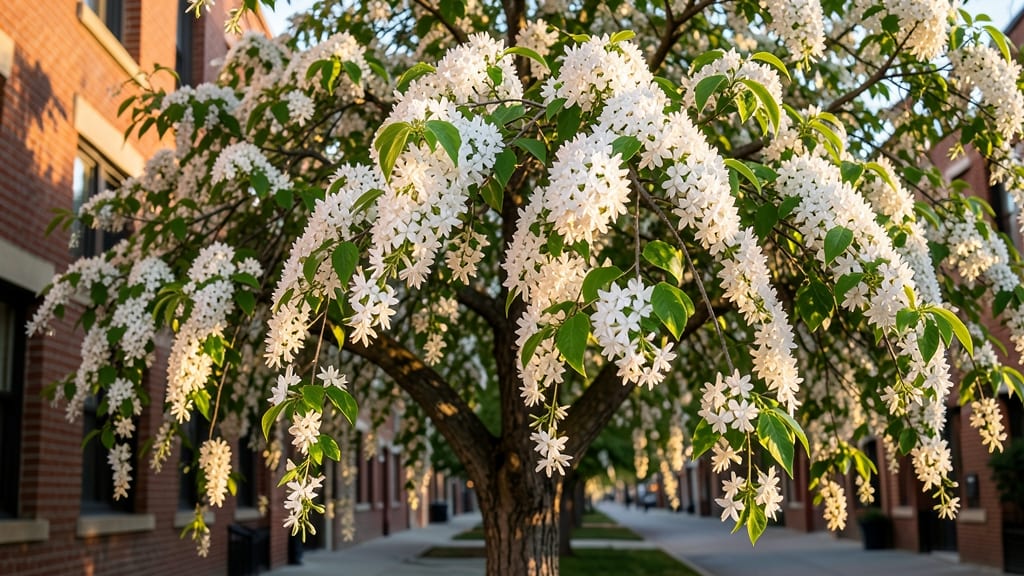
If you love the scent of honeysuckle but want a low-maintenance tree instead of a vine, Chionanthus virginicus (also called fringe tree) delivers the same dreamy fragrance with star-shaped white blooms in late spring. This native beauty thrives in urban settings where other trees might struggle.
Plant it in full sun to partial shade and expect drought resistance once established—ideal for water-conscious gardeners. The delicate, fern-like foliage adds texture year-round, while its fragrant flowers attract pollinators without the aggressive spread of invasive vines. Prune lightly after flowering to maintain its natural shape.
Perfect for city gardens, small yards, or pollinator-friendly landscapes, Chionanthus offers effortless beauty with minimal care. 🌿
Mock Orange (Philadelphus coronarius)
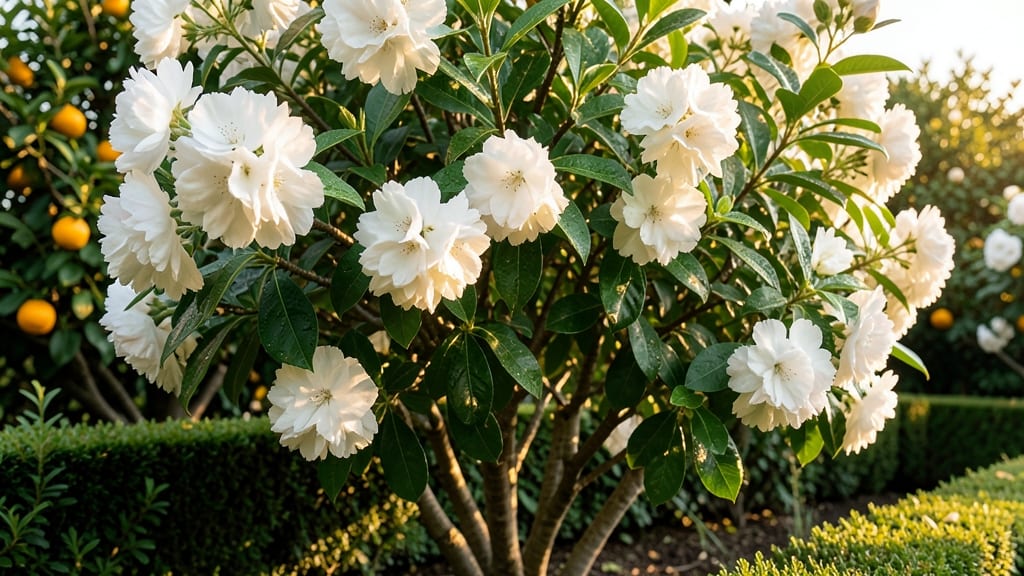
If you crave a garden that smells like a Mediterranean orange grove without the citrus tree, mock orange (Philadelphus coronarius) is your secret weapon. This deciduous shrub bursts with four-petaled white flowers that release a heady, orange-blossom fragrance when brushed against—perfect for borders, cottage gardens, or as a fragrant hedge.
Unlike its true orange cousins, mock orange thrives in partial shade to full sun and handles a range of soils, from clay to sandy. Its late spring blooms (May-June) attract bees, butterflies, and hummingbirds relentlessly, while its glossy green leaves provide year-round structure. Prune lightly after flowering to maintain shape and encourage next year’s blooms.
This low-maintenance shrub is ideal for gardeners in USDA zones 4-8 who want effortless fragrance and pollinator power. Plant it near patios or walkways to enjoy its intoxicating scent up close. 🌷
Pieris (Pieris japonica)
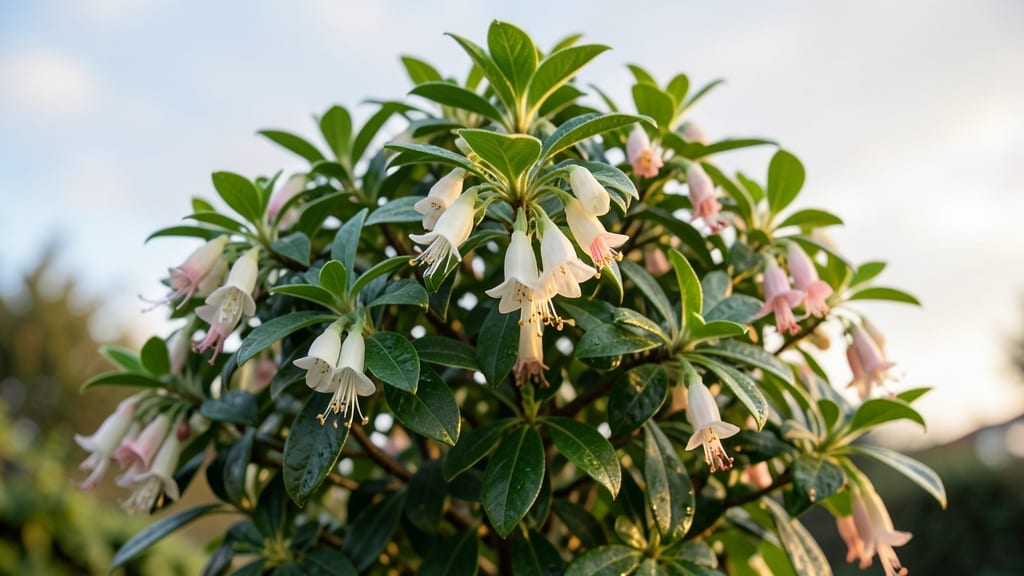
If you love the look of honeysuckle but want a cold-hardy, evergreen alternative that thrives in your landscape year-round, Pieris japonica is your answer. This elegant shrub bursts into bloom in early spring with cascading clusters of white or pink flowers that mimic honeysuckle’s tubular shape, creating a striking focal point in any garden.
Native to Japan and Korea, Pieris thrives in partial shade to full sun and handles temperatures as low as -20°F, making it perfect for northern climates. Its glossy, dark green leaves provide a lush backdrop for the delicate blooms, while its upright growth habit (reaching 6-10 feet) makes it ideal for foundation plantings, borders, or woodland gardens. Prune lightly after flowering to maintain shape and encourage dense growth.
Gardeners in cooler regions will appreciate its reliable blooms and low-maintenance nature—once established, it requires minimal care. Pair it with ferns or hostas for a woodland-inspired look that stays stunning all season. 🌷
Snowball Bush (Viburnum opulus)
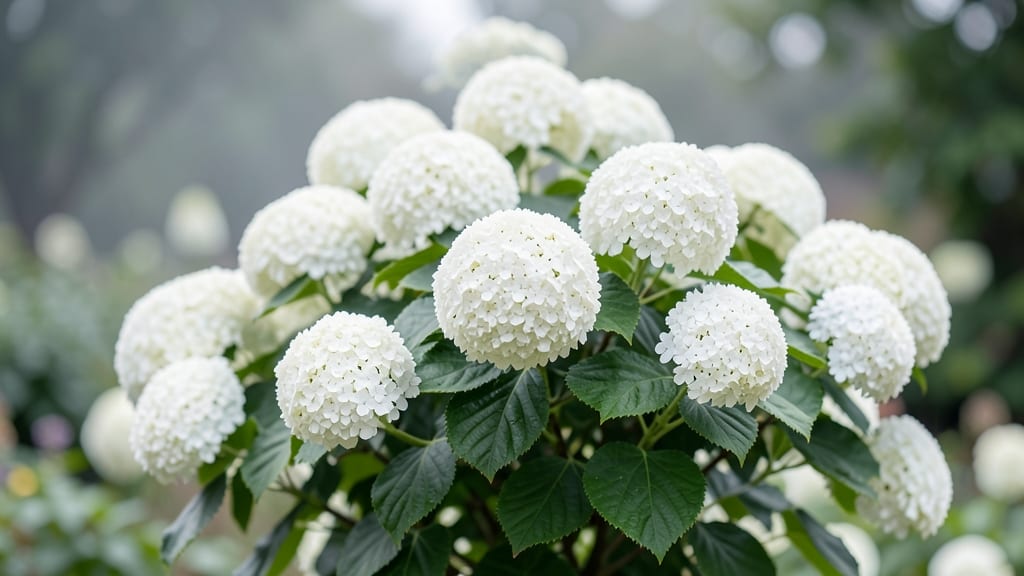
If you love the delicate charm of honeysuckle but want a low-maintenance shrub that thrives in almost any spot, Snowball Bush (Viburnum opulus) is your perfect match. Its spherical clusters of white flowers bloom in late spring, mimicking honeysuckle’s romantic appeal without the climbing demands.
This versatile shrub handles full sun to partial shade, making it ideal for borders, hedges, or woodland gardens. After flowering, it produces edible red berries that feed birds, adding another layer of seasonal interest. Prune lightly after blooming to maintain shape and encourage next year’s flowers.
Perfect for beginner gardeners or those seeking a pollinator-friendly yet fuss-free plant, Snowball Bush delivers drama with minimal effort. 🌿
Coralberry (Symphoricarpos orbiculatus)

If you love the look of honeysuckle but want a native, low-maintenance alternative, coralberry (Symphoricarpos orbiculatus) delivers with its delicate pink tubular blooms and striking coral berries. This underrated shrub thrives in wild gardens where other plants struggle.
Coralberry’s drought-tolerant nature makes it perfect for xeriscapes, while its deer-resistant foliage protects it from common garden pests. Plant it in full sun to partial shade for best results, and expect blooms from late summer through fall. The berries add winter interest when most gardens fade.
Ideal for native plant gardens, meadows, or as a natural hedge, coralberry offers year-round structure with minimal care. 🌻