
Pruning
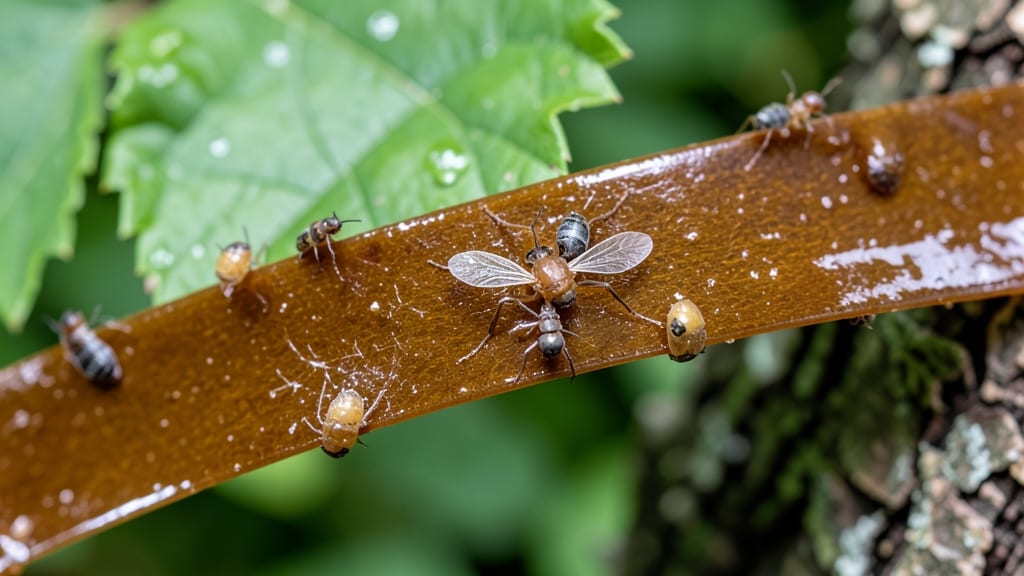
Tree tape for bugs creates a simple, chemical-free barrier that stops crawlers like ants, beetles, and borers from climbing trunks and wreaking havoc on your 🌳.
Tired of pests like aphids, bark beetles, and spider mites turning your trees into an all-you-can-eat buffet? Tree tape for bugs offers a reusable solution that keeps crawlers off trunks while protecting your plants—without harming the tree itself.
This method works by creating a physical and scent-based obstacle that pests can’t cross. Unlike sprays or traps, it’s easy to apply, safe for pets, and lasts for months, making it a game-changer for organic tree care.
Below, I’ll walk you through how to choose the right tape, apply it correctly, and maximize its effectiveness—plus, when to combine it with other natural pest-control methods for the best results.
How tree tape for bugs works: the science behind the natural barrier
Tree tape for bugs isn't just a clever gardening hack—it's a science-backed solution that disrupts pests' natural behaviors. The key lies in how it physically blocks insects while creating sensory barriers they can't ignore.
Unlike chemical sprays that harm beneficial insects, tree tape works by making your tree's trunk an unwelcoming obstacle course for crawlers like scale insects, borers, and ants.
Most insects rely on three things to climb trees: texture, scent trails, and visual cues. Tree tape disrupts all three. The smooth, reflective surface of metal tapes (like copper or aluminum) confuses their footing, while sticky tapes physically trap them.
Even the scent of the tape material can deter pests that follow chemical trails left by other insects.
Visual deterrence plays a surprising role too. Many insects avoid shiny or brightly colored surfaces, which tree tape provides. This multi-sensory approach makes it far more effective than single-method solutions like insecticidal soaps or neem oil, which only target pests already on the tree.
The science gets even more interesting when you consider how different materials work. Copper tape creates a mild electrical charge that repels insects, while aluminum tape reflects sunlight, creating heat that deters climbers. Sticky tapes, on the other hand, rely on physical entrapment—though they require more frequent replacement.
Here's how these materials stack up against common tree pests:
| Material Type | Key Mechanism | Effective Against | Longevity | Replacement Frequency |
|---|---|---|---|---|
| Copper Tape | Electrical repulsion + visual barrier | Ants, borers, scale insects | 1-2 years | Every 2 years |
| Aluminum Tape | Heat reflection + smooth surface | Crawlers, bark beetles | 2-3 years | Every 3 years |
| Sticky Tape | Physical entrapment | All crawlers (ants, beetles, etc.) | 3-6 months | Every 3-6 months |
The width of the tape also matters scientifically. A 2-3 inch band creates a psychological barrier for insects—they're less likely to attempt the climb if the surface looks too narrow. This is why professional arborists often recommend wider tapes for mature trees with thicker trunks.
Behavioral studies show that insects like ants and borers rely heavily on pheromone trails to navigate trees. When you wrap tree tape around the trunk, you're not just blocking their path—you're disrupting their communication.
The tape's surface interferes with scent molecules, making it harder for pests to follow established trails to your tree.
One common misconception is that tree tape only works for small insects. In reality, it's equally effective against larger pests like borers and sap-sucking insects because these pests also rely on texture and scent cues to locate trees. The tape's smooth, unnatural surface confuses their navigation systems entirely.
For maximum effectiveness, combine tree tape with other organic pest control methods. For example, applying kaolin clay above the tape creates an additional visual and textural barrier. This layered approach exploits multiple sensory disruptions, making your trees nearly impenetrable to crawlers.
Remember, the goal isn't just to repel pests—it's to create an environment where insects avoid your trees entirely.
By understanding how tree tape works on a scientific level, you can apply it with confidence, knowing you're using a targeted, chemical-free solution that protects both your trees and the beneficial insects in your garden.
Step-by-step guide: applying tree tape for maximum pest protection
Applying tree tape for bugs is one of the most effective ways to create a physical barrier against crawling pests like ants, bark beetles, and scale insects. The key to success lies in proper installation—timing, placement, and material all play critical roles in keeping your trees safe without harming them.
Let’s break down the process so you can protect your trees like a pro.
Before you begin, gather your tools: a measuring tape, ladder, pruning shears, a ladder stabilizer, and—most importantly—the right type of tree tape. Sticky tape or copper-based tape works best for deterring pests naturally.
The best time to apply tree tape is during early spring or fall, when pests are less active but your tree is still healthy and resilient.
How to Apply Tree Tape for Bugs
- 1 Clean the trunk: Use a scrub brush and mild soap solution to remove dirt, moss, or old tape. This ensures the new tape adheres properly and creates an effective barrier.
- 2 Measure the trunk: Wrap a measuring tape around the trunk at 4-6 feet above the ground. This is the ideal height to start, as it’s high enough to deter pests but low enough to reach safely.
- 3 Cut the tape: Use scissors or pruning shears to cut the tree tape to the length of your measurement. For young trees, a 2-inch width is sufficient, while mature trees may need 3-4 inches for better coverage.
- 4 Apply the tape: Starting at the bottom of your marked height, press the tape firmly against the trunk. Overlap the ends by 1-2 inches to prevent gaps where pests can sneak through. Smooth out any bubbles or wrinkles for full coverage.
- 5 Extend upward: Repeat the process every 12-18 inches up the trunk, ensuring complete coverage. For tall trees, use a ladder with stabilizers and work in sections to avoid overreaching.
- 6 Check the root flare: Avoid covering the root flare (the swollen area at the base of the trunk) to prevent moisture buildup and rot. Leave this area exposed for healthy air circulation.
- 7 Reapply annually: Inspect the tape every 3-6 months and replace it if it becomes dirty, torn, or less sticky. Plan to reapply fully in early spring before pests become active again.
Avoid common mistakes like leaving gaps between tape sections or using tape that’s too narrow for mature trees. These oversights can turn your tree tape into a pest highway instead of a barrier.
Also, never wrap the tape too tightly—it should be snug but not restrictive, as this can damage the bark over time.
For extra protection, combine tree tape with organic pest deterrents like neem oil or beneficial nematodes. This layered approach ensures your trees stay pest-free while maintaining a chemical-free garden. With proper application, your tree tape will keep crawlers at bay for years to come.
🌳