
Pruning
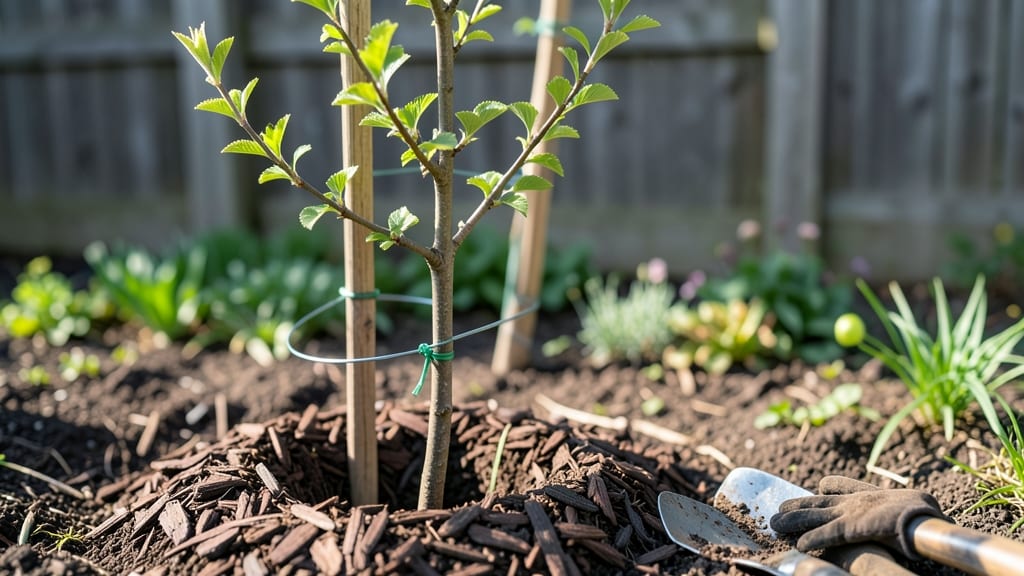
Tree stake wire keeps young trees growing straight and strong through storms and wind. 🌳 I've learned the hard way that flimsy plastic stakes bend or break—and that's when you realize how much work you just wasted.
The right wire system gives your tree the support it needs to develop a sturdy trunk, without strangling it as it grows. You'll need 1/4-inch galvanized wire, sturdy wooden or metal stakes, and a few basic tools—no fancy equipment required.
The key is securing the wire loosely enough to allow some movement, but tight enough to prevent leaning. Most young trees need support for their first 2-3 years, depending on species and wind exposure.
When installed correctly, you'll see your tree stand tall with minimal leaning, and the wire will barely be noticeable after a season. The roots stay undisturbed, and the trunk thickens naturally. It's the difference between a tree that sways dangerously and one that grows confidently toward the sky.
Works for fruit trees, shade trees, and even large shrubs—just adjust the wire tension based on how flexible the plant is. Let's get those trees growing right!
📚 In This Guide
- What you need
- Instructions
- Tips and common mistakes
- Wrapping up and next steps
What you need
- ● Tree stake wire – 10-20 feet per tree (galvanized steel, 14-16 gauge for durability).
- ● Tree stakes – 2-4 per tree (4-6 ft tall, 1-2 inches in diameter, pressure-treated wood or metal).
- ● Soft tree ties – 2-4 per stake (wide, fabric-based, 1-2 inches wide to avoid girdling).
- ● Staples or U-bolts – 4-6 per stake (galvanized steel, ½-inch size, for securing wire to stakes).
- ● Measuring tape – 1 per project (for precise wire length and stake placement).
- ● Heavy-duty gloves – 1 pair (to protect hands while handling wire and stakes).
- ● Pruners or shears – 1 pair (for trimming excess wire or ties if needed).
- ● Wire cutters – For clean cuts if wire needs trimming.
- ● Hammer or mallet – To drive stakes into the ground securely.
- ● Level – Ensures stakes are perfectly vertical for even support.
- ● Tree guard or mulch – Protects the base of the tree from wire abrasion.
- ● Spare wire or ties – Always good to have extras for adjustments!
How to use tree stake wire for perfectly straight young trees
Here’s my foolproof method for keeping saplings upright without damaging delicate stems.
🪴 Step 1: Choose the Right Wire and Stakes
For 4 young trees, you’ll need 4 flexible tree stake wires (galvanized or plastic-coated) and 4 sturdy wooden stakes (about 3 feet tall). I like 1/8-inch galvanized wire—thin enough to bend easily but strong enough to hold a 6-foot sapling without breaking. Avoid thick, rigid wires that can girdle the trunk as it grows.
Drive the wooden stakes 6-8 inches deep into the soil, about 6-12 inches away from the tree trunk. The stake should lean slightly toward the tree (not away) to prevent wind from pushing it over. Space them evenly around the planting area so you can move between trees without tripping over stakes.
✂️ Step 2: Secure the Wire Without Damaging the Tree
Bend the wire into a U-shape around the tree trunk, leaving 2-3 inches of slack at the top. The wire should wrap loosely—never tighter than your thumb can fit between it and the bark. If you cinch it too tight, you’ll strangle the tree as it thickens. I like to make a figure-eight loop around the trunk first, then thread the ends through and tighten gently.
Attach one end of the wire to the top of the stake using a twist tie or zip tie (avoid nails—they rust and can cut into the wood). Then, wrap the other end around the stake 2-3 times and secure it tightly. The wire should form a gentle diagonal from the stake to the tree, not a straight line that could snap in high winds.
🌿 Step 3: Adjust and Monitor as the Tree Grows
Check the wire every 2-3 weeks—especially after rain or wind. If the tree leans slightly, loosen the wire and reposition the stake closer to the trunk (but never touching it). Over time, the tree will grow stronger, and you’ll need to lengthen the wire or replace it with a taller stake. I’ve seen trees outgrow their first stakes by mid-summer, so plan ahead.
When the tree’s trunk reaches about 1 inch in diameter, it’s usually strong enough to stand alone. That’s your cue to remove the wire completely—leaving it on longer can cause the bark to grow into the wire, creating a permanent girdle. Cut the wire with pliers and pull the stakes out carefully to avoid damaging roots.
☀️ Step 4: Prevent Common Mistakes for Long-Term Success
I’ve seen too many gardeners make these errors: tying the wire too tight (which cuts into the bark) or using stakes that are too short (so the tree rocks in the wind). Always bury stakes deep enough that they don’t wobble—dig until the top 6 inches are firmly planted. And never wrap the wire directly around the trunk; use a soft fabric strip as a buffer if needed.
Watch for saplings growing into the wire—if you see the trunk curving around it, loosen the wire immediately. The goal is support, not restriction. A well-staked tree should grow straight and unobstructed, with the wire acting like a temporary training wheel. Remove it before the tree outgrows its purpose.
Tips & tricks for perfect tree stake support
Here's what I've learned after years of staking saplings—these small details make all the difference.
Wire Flexibility Matters: The 1/8-inch galvanized wire recommended is perfect for young trees, but if you're working with taller saplings, consider using 1/4-inch wire for extra strength. I've found that thicker wires (like 3/16-inch) can actually damage bark if the tree grows into it—so stick with the flexible options. Always bend the wire gently around the trunk rather than forcing it into place, which prevents any chance of cutting into tender bark.
Stake Placement Precision: When positioning your 3-foot stakes 6-8 inches deep, angle them slightly toward the tree rather than straight up. This creates a natural counterbalance against wind pressure. I've seen too many gardeners leave stakes vertical, only to have them topple over in the first strong gust. Also, bury the stakes until only the top 6 inches remain above ground—this prevents wobbling and gives maximum stability.
The Two-Week Rule: Checking the wire every 2-3 weeks is non-negotiable, especially after storms. I learned this the hard way when a summer thunderstorm snapped all my stakes in half. Look for signs the tree is leaning or the wire is digging into the bark. If you notice the trunk curving around the wire, loosen it immediately—this is your tree's way of telling you it's ready for more space. A soft fabric strip between the wire and bark can prevent this from happening in the first place.
Seasonal Stake Swap: If you're planting in early spring, use shorter stakes (2 feet tall) since trees grow slowly at first. By mid-summer, you'll likely need to replace them with 4-foot stakes as your saplings shoot up. I keep a few extra stakes on hand—it's a small investment that saves you from struggling with bent wires later. The key is to always keep the wire at a gentle diagonal, never straight up or down, which distributes wind pressure more evenly.
Pro Tips for Tree Stake Wire
- Here's what I've learned after years of staking saplings—these small details make all the difference.
- Wire Flexibility Matters: The 1/8-inch galvanized wire recommended is perfect for young trees, but if you're working with taller saplings, consider using 1/4-inch wire for extra strength.
- Stake Placement Precision: When positioning your 3-foot stakes 6-8 inches deep, angle them slightly toward the tree rather than straight up.
Frequently asked questions
Got questions about using tree stake wire to keep your trees strong and upright? You’re in the right place! Here are some of the most common concerns—and their straightforward answers—to help you stake like a pro.
How tight should the tree stake wire be when securing a young tree?
The wire should be snug but not cutting into the bark—think of it like a gentle hug! Aim for just enough tension to prevent swaying without restricting growth. Use a rubber guard or old hose between the wire and trunk to avoid abrasions. Check tightness every few weeks as the tree grows.
How long should I leave tree stake wire on a newly planted tree?
Most experts recommend removing stakes and wire within 1–2 years, unless your tree is in a high-wind area. Over-reliance on support can weaken the tree’s natural root and stem development. Monitor for leaning or instability—if the tree stands firm on its own, it’s time to let it go!
Can I reuse tree stake wire from one season to the next?
Yes! With proper care, tree stake wire can last multiple seasons. Rinse it after use to remove sap or dirt, then store it in a dry place to prevent rust. If you notice bends, kinks, or corrosion, replace it—safety and effectiveness matter more than cost.
What’s a good alternative to tree stake wire if I don’t have any?
No wire? No problem! Try these DIY fixes:
- Burlap strips or old t-shirts (soft and breathable)
- Tree ties or nursery tape (flexible and reusable)
- Sturdy fabric strips (like an old towel)
My tree’s bark is splitting where the wire touches—what should I do?
This is a red flag! Loosen the wire immediately and pad the area with rubber tubing, foam, or even a folded piece of hose. If the damage is severe, remove the wire entirely and let the tree recover. To prevent future issues, avoid over-tightening and check the wire frequently.
Still stumped? Drop your question below—we’re happy to help your trees grow tall and proud!
Wrapping up and next steps
Using tree stake wire is a game-changer for young trees, ensuring they grow tall, strong, and straight without bending under the weight of wind or fruit.
Whether you’re a seasoned gardener or just starting, this simple tool provides the support needed for healthy, resilient growth—saving you time and effort in the long run. 🌳✨
Ready to give your trees the best start? Grab some tree stake wire and a few extra supplies, then follow the steps above. Your future harvest—or just a beautiful, sturdy tree—will thank you!