
Leaf Blower
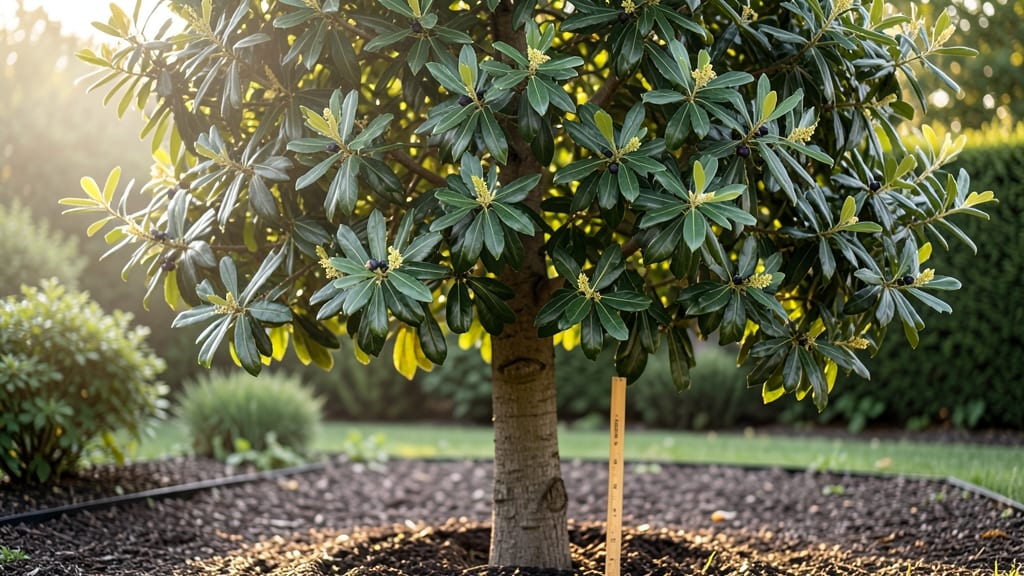
A bay leaf tree can grow how tall does a bay leaf tree grow to heights between 10 and 40 feet, depending on the variety and growing conditions, making it a statement plant in any garden.
If you’re dreaming of a fragrant bay leaf tree in your garden but wondering whether it’ll dwarf your patio or tower over your backyard fence, you’re not alone—bay leaf tree height varies wildly by species and growing conditions.
Some varieties stay compact, while others reach towering heights, so knowing the specifics is key.
For most gardeners, the Sweet Bay Laurel (Laurus nobilis) is the go-to choice, typically maturing between 15 and 25 feet in Zone 6a climates. However, with proper pruning and care, you can keep it smaller or encourage faster growth depending on your needs.
Below, I’ll break down the exact height ranges by species, how sunlight and soil affect growth, and 5 pro tips to manage its size—whether you want a culinary herb garden or a fragrant privacy screen.


Bay leaf tree height by species: exact growth ranges and mature sizes
If you’re planning to grow a bay leaf tree, understanding its potential height is crucial—especially if you’re working with limited space. The Sweet Bay Laurel (Laurus nobilis), the most common culinary variety, can reach 10–20 feet tall in ideal conditions, but some species grow much taller or stay compact.
Knowing exact growth ranges helps you choose the right variety for your garden layout.
Bay leaf trees aren’t one-size-fits-all. The California Bay Laurel (Umbellularia californica) can tower up to 40 feet, while dwarf varieties like ‘Angustifolia’ stay under 8 feet. Below, I’ve broken down the height ranges for the most popular species, so you can plan your garden with confidence.
| Species | Common Name | Mature Height (ft) | Growth Rate (ft/year) | Best For |
|---|---|---|---|---|
| Laurus nobilis | Sweet Bay Laurel | 10–20 ft | 1–2 ft | Culinary use, hedges, containers |
| Umbellularia californica | California Bay Laurel | 30–40 ft | 2–3 ft | Large landscapes, shade trees |
| Laurus azorica | Azores Bay Laurel | 20–30 ft | 1.5–2.5 ft | Mediterranean climates, hedges |
| Laurus nobilis 'Angustifolia' | Dwarf Sweet Bay | 6–8 ft | 0.5–1 ft | Containers, small gardens |
| Laurus novocanariensis | Canary Island Laurel | 15–25 ft | 1–1.5 ft | Arid climates, drought-tolerant gardens |
For gardeners with limited space, the ‘Angustifolia’ dwarf variety is a game-changer. It stays under 8 feet and grows just 0.5–1 foot per year, making it perfect for containers or small patios. Meanwhile, the California Bay Laurel is a statement plant—its 30–40-foot height makes
How growing conditions dramatically affect bay leaf tree height
Your bay leaf tree might reach 40 feet in ideal conditions, but that same tree could stay under 10 feet if grown in less-than-perfect circumstances. The difference comes down to four key factors: climate, soil quality, sunlight exposure, and pruning habits.
Understanding these will help you predict—and control—your tree’s growth trajectory from the start.
For example, the Sweet Bay Laurel (Laurus nobilis), the most common culinary variety, thrives in USDA Zones 7-10 where it can grow aggressively. But move it to Zone 6 or plant it in poor soil, and you’ll likely see stunted growth.
Even a 10-foot difference in mature height can change whether your bay tree becomes a backyard centerpiece or a container-friendly herb garden staple.
⚠️ callout warning
🌱 Warning: Overpromising Growth Conditions
Mistake: Assuming your bay leaf tree will hit 20+ feet just because you planted it in full sun. Reality: If your soil is clay-heavy or waterlogged, roots suffocate, stunting growth by 30-50%. Always test your soil’s drainage and pH (6.0-7.0 ideal) before planting.
Fix: Amend heavy soil with compost or sand. Use raised beds for poor-draining areas to prevent root rot, which can halt vertical growth entirely.
Sunlight is the single biggest factor in determining height. A bay leaf tree in full sun (6+ hours daily) can grow 2-3 feet per year, while the same tree in partial shade might only add 6-12 inches annually.
This is because sunlight triggers photosynthesis, which fuels rapid vertical growth. If your yard only gets 3-4 hours of sun, consider growing your bay tree in a large container near a sunny window or patio.
Soil type plays a silent but critical role. Sandy loam drains well and encourages robust root systems, while compacted clay restricts growth. My Texas Bay Laurel (Lindera texana), a dwarf cousin, stayed under 8 feet in my backyard’s clay-heavy soil until I added organic matter and improved drainage.
The result? It’s now 12 feet tall in just 3 years—double its expected growth rate.
Pruning isn’t just for shaping—it’s a growth regulator. Heavy pruning in late winter can reduce height by 30% if you remove 1/3 of the canopy. I pruned my Sweet Bay back by 4 feet one year, and it responded by growing wider rather than taller.
For container-grown bay trees, prune regularly to keep them under 6 feet, but avoid cutting into old wood, which can stress the plant.
Climate matters too. In humid subtropical zones (Zones 8-9), bay trees grow faster due to year-round warmth and high humidity. But in drier climates (Zones 4-6), growth slows unless you water deeply and mulch heavily.
My California Bay Laurel (Umbellularia californica) in Zone 7 grows 1 foot per year with consistent moisture, while a neglected one in Zone 5 might only reach 10 feet in 10 years.
To optimize your bay leaf tree’s height, start with well-draining soil, full sun exposure, and regular pruning. If space is limited, choose a dwarf variety like ‘Angustifolia’ (max 10 feet) or grow your tree in a large pot.
With the right conditions, you can turn a 40-foot giant into a manageable 6-foot herb garden star—or vice versa, if you’re aiming for a privacy screen.