
Diseases
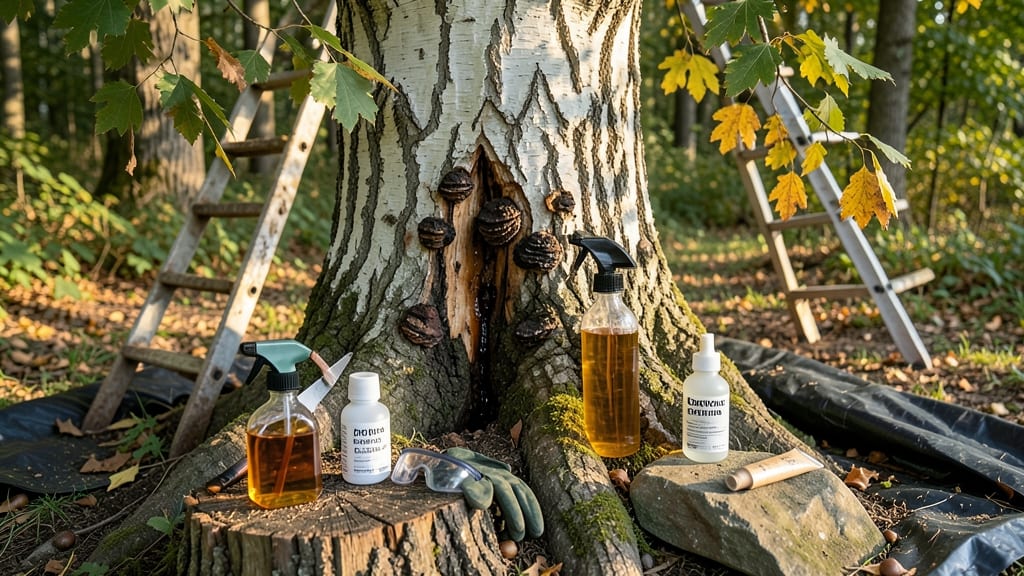
Tree fungus removal in Aledo isn’t just about saving your trees—it’s about reclaiming your yard’s health and beauty after months of stubborn spots and wilting leaves. 🌿 I’ve battled everything from powdery mildew to root rot in our Texas heat, and the right spray solution makes all the difference.
The key? Acting fast before the fungus spreads deeper into the bark or roots.
Most fungal issues in Aledo start with excess moisture trapped in dense foliage or soil, especially after our long, humid summers. That’s why prevention—like proper pruning for airflow and avoiding overhead watering—is your first line of defense.
When you do spot fungus, organic options like neem oil or copper fungicides work well for early stages, while targeted chemical sprays handle stubborn cases like canker or root rot.
Within 2-4 weeks of consistent treatment, you’ll see fresh green leaves pushing through and fewer unsightly patches. The trees regain their strength, and your lawn stops looking like a battleground.
This method works for oak, pecan, and even fruit trees common in our area—just adjust the spray timing based on the season.
If the fungus keeps returning or the tree shows signs of severe decay, it’s time to call a local arborist. But for most cases, a little elbow grease and the right spray solution bring your trees back to life. Here’s how to get started without overcomplicating it.
Root Causes of Tree Fungus
Fungal infections in trees aren’t random—they thrive when specific conditions align. Understanding these triggers is key to preventing outbreaks in your Aledo yard. Here’s why tree fungus takes hold and how environmental factors create the perfect storm for its growth.
Trees rely on a strong immune system to fend off pathogens, but stress weakens their natural resistance. When trees are under pressure, fungi like Armillaria (root rot) or Ceratocystis (oak wilt) exploit the opportunity. Common stressors include:
- Poor soil health: Compacted, nutrient-deficient, or waterlogged soil starves roots, making trees vulnerable. 💡 Pro Tip: Seal wounds with pruning paint (for large cuts) to deter fungal invasion.
- Pests or insects: Bark beetles or borers weaken trees, leaving them susceptible to secondary fungal infections like Hypoxylon (canker diseases).
Example: A maple tree with Verticillium wilt often starts when its vascular system is compromised by drought or root damage.
Fungi love moisture—think of them as aquatic invaders. Overwatering, heavy clay soil, or poor drainage create soggy conditions that encourage spore germination. Key culprits:
| Fungus Type | Ideal Conditions | Aledo-Specific Risks |
|---|---|---|
| Phytophthora (root rot) | Waterlogged soil (>24 hours of saturation) | Clay-heavy soils common in North Texas trap water near roots. |
| Rhizoctonia (crown rot) | Cool, damp spring soil (50–75°F) | Aledo’s humid springs accelerate spore spread. |
| Armillaria (shelf fungus) | Decaying wood + high humidity | Older trees with dead branches provide fuel. |
🌡️ Actionable Fix: Test your soil’s drainage—if water pools after 6+ hours, amend with compost or install French drains. 💡 Mulch 3–4 inches deep (but keep it away from the trunk) to regulate moisture.
Fungi don’t just appear—they spread. Spores hitchhike via wind, water, tools, or even animals. In Aledo’s mixed landscapes, contagion is rampant:
- Windborne spores: Fungi like Gloeosporium (leaf spot) travel miles, infecting healthy trees when conditions are right.
- Tool contamination: Pruners or shovels carrying Cryphonectria (chestnut blight) spores can jumpstart new infections.
- Wildlife vectors: Squirrels or birds spread fungal fruiting bodies (e.g., Polyporus) between trees.
- Irrigation systems: Splashing water from sprinklers can disperse spores from infected leaves to roots.
✨ Prevention Hack: Sterilize tools with 70% isopropyl alcohol between uses, and avoid overhead watering during fungal outbreaks.
Aledo’s climate—hot summers, humid springs, and occasional drought—creates a fungal goldilocks zone. Specific local factors accelerate outbreaks:
- Extreme heat + drought: Trees like oaks under drought stress produce less resin, making them prime targets for oak wilt (Ceratocystis fagacearum).
- Urban heat islands: Pavement and buildings raise temperatures near trees, doubling spore activity in microclimates.
- Monoculture landscaping: Planting identical trees (e.g., all live oaks) increases host susceptibility to Phytophthora ramorum.
🎯 Local Solution: Diversify your landscape with native species like Texas redbud or cedar elm, which are more resistant to regional fungi.
Step-by-Step Fungus Removal Guide
Fungal infections in trees can be stubborn, but with the right approach, you can restore your lawn’s health and prevent future outbreaks. Below, we’ve mapped out practical solutions tailored to common causes of tree fungus in Aledo—from overwatering to poor soil drainage.
Follow these easy-to-implement fixes and keep your trees thriving.
Cause: Excess moisture creates the perfect breeding ground for fungi like Armillaria (honey fungus) or Phytophthora.
How to Solve:
- 🔥 Adjust Your Watering Routine
- Water trees deeply but infrequently (1–2 times per week, depending on rain).
- Avoid overhead sprinklers—use soaker hoses or drip irrigation to target roots directly.
- Pro Tip: 💡 Test your soil’s moisture by sticking a screwdriver 6 inches deep. If it slides in easily, hold off on watering.
- 🍳 Improve Soil Drainage
- Aerate compacted soil with a garden fork or rent a core aerator (especially if clay-heavy).
- Amend soil with compost or organic matter to boost drainage.
- For severe cases, consider French drains or swales to redirect excess water.
- ⏰ Prune for Better Airflow
- Remove dense, overlapping branches to reduce humidity in the canopy.
- Trim low-hanging branches to prevent debris buildup (fungi love leaf litter!).
Cause: Visible mushrooms, conks, or black spots on leaves/bark signal active fungal growth.
How to Solve:
- 🔪 Remove Infected Debris
- Bag and dispose of fallen leaves, fruit bodies (mushrooms), and dead branches immediately.
- Warning: ✨ Don’t compost infected material—it can spread spores.
- 🥘 Apply Fungicidal Sprays (When Needed)
- For leaf spots or powdery mildew, use a copper-based fungicide (e.g., Copper Soap) or neem oil spray.
- For root/soil-borne fungi (like Armillaria), inject systemic fungicides (e.g., Propiconazole) into the soil.
- Pro Tip: 🌡️ Time it right—spray early morning or late evening to avoid burning leaves in Aledo’s heat.
- 👨🍳 Strengthen Tree Immunity
- Fertilize with slow-release, balanced nutrients (10-10-10 or organic options like fish emulsion).
- Mulch properly: Use 2–4 inches of wood chips, keeping it 6 inches away from the trunk to prevent rot.
Cause: Weakened trees (due to drought, pests, or poor nutrition) are prime targets for opportunistic fungi.
How to Solve:
- 💪 Hydrate Deeply in Droughts
- Water slowly over 30–60 minutes to encourage deep root growth.
- Mulch heavily (3–4 inches) to retain moisture and regulate soil temp.
- 🎯 Pest Control First
- Treat sap-sucking insects (aphids, scale) with horticultural oil—they weaken trees and invite fungi.
- Introduce beneficial nematodes or ladybugs for natural pest management.
- 📊 Monitor Soil pH
- Test soil pH (ideal: 6.0–7.0 for most trees).
- Adjust with lime (to raise pH) or sulfur (to lower pH) if needed.
If you see:
- Large, shelf-like mushrooms at the base (sign of Armillaria).
- Oozing cankers or sudden leaf drop.
- No improvement after 2–3 months of DIY treatment.
Next Steps:
- Consult a local arborist in Aledo for soil injections or tree injections (e.g., Arborjet treatments).
- Consider stump removal if the fungus originated from a dead tree.
🔥 Prevention Checklist for Aledo’s Climate: ✅ Water early (before 10 AM) to reduce humidity. ✅ Rake up leaves weekly during fall/winter. ✅ Inspect trees monthly for early signs (yellowing, spots). ✅ Avoid compacting soil around tree bases (no heavy equipment!).
By tackling the root cause—whether it’s water, stress, or debris—you’ll stop fungus in its tracks and keep your Aledo lawn lush and disease-free. 🌳✨
Frequently asked questions about tree fungus removal in Aledo
What are the most common types of tree fungus I might find in Aledo?
Aledo’s climate breeds several persistent fungal issues. Look for powdery mildew (white powder on leaves), oak wilt (sudden leaf drop in oaks), or root rot (mushrooms at the tree base). Canker diseases (sunken, oozing wounds) also appear on stressed trees. Humidity and clay soil make these especially common in North Texas yards.
Can I use household items like vinegar or baking soda to treat tree fungus?
While vinegar (1 part vinegar to 3 parts water) can help with mild leaf spots, it’s not a complete solution for deep-rooted fungi. Baking soda (1 tablespoon per gallon of water) works for powdery mildew but won’t stop root rot. For serious infections, opt for copper fungicides or neem oil—they’re safer than harsh chemicals and more effective. Always test sprays on a small area first.
How often should I spray fungicide on my trees in Aledo?
For preventive care, spray every 2-4 weeks during peak fungal seasons (spring and fall). If treating an active infection, apply weekly for 2-3 weeks, then switch to monthly maintenance. Early morning or late evening applications prevent leaf burn from Aledo’s intense sun. Stop spraying when temperatures exceed 90°F—fungicides lose effectiveness in extreme heat.
Will pruning my tree help stop fungus spread?
Prune to remove dead/diseased branches (sterilize tools between cuts) and improve airflow through the canopy. Focus on crossing branches and low-hanging limbs that trap moisture. Time pruning for dormant season (winter) to minimize stress. Just avoid heavy pruning in summer—it stresses trees when fungi thrive most.
When should I call an arborist instead of DIY-ing?
Consult a professional if you see large shelf mushrooms at the tree base (sign of Armillaria root rot), oozing cankers, or no improvement after 3 months of treatment. Arborists can perform soil injections or tree injections with systemic fungicides that DIY methods can’t match. For Aledo’s oak wilt risk, early intervention is critical—don’t wait until the tree is beyond saving.