
Pruning
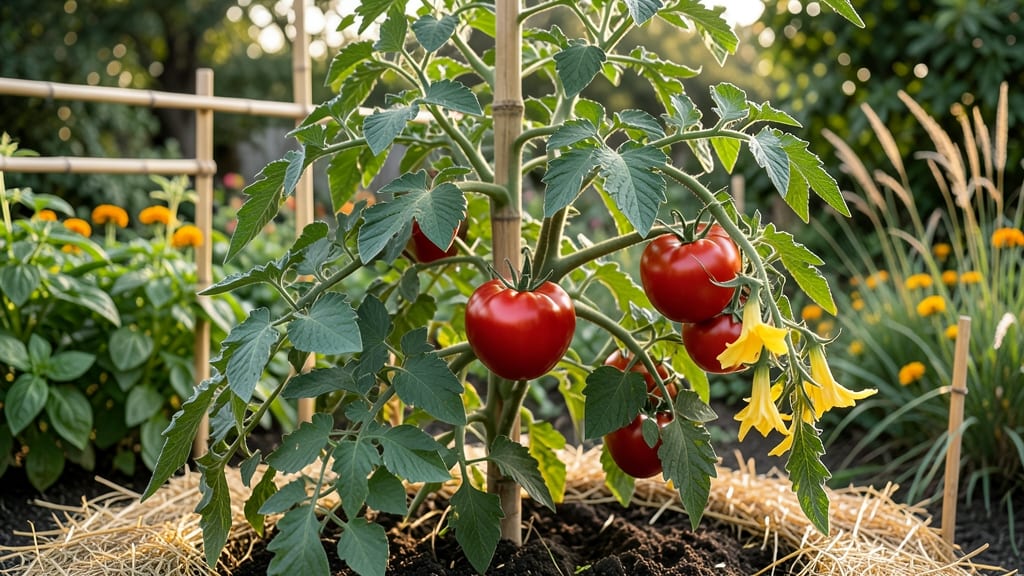
Growing a giant tomato tree means pruning isn't optional—it's the secret to keeping that sprawling vine from collapsing under its own weight. 🌿 I learned the hard way when my first attempt turned into a tangled mess, but once I mastered the yearly rhythm, my harvests doubled.
The key? Year-round shape control that balances air flow, sunlight, and fruit production without sacrificing that dramatic, tree-like silhouette.
You'll need sharp pruners, a sturdy trellis (at least 6-8 feet tall), and a clear plan for when to prune—spring for shaping, summer for maintenance, and fall for cleanup.
Most "tree" tomatoes are indeterminate varieties like 'Big Beef' or 'Sungold,' but grafted hybrids also work if you want disease resistance. The space requirement is real: these plants need 8-10 feet of vertical clearance and room to spread their lower branches.
After a few seasons of pruning, you'll end up with a sun-dappled canopy producing fruit all summer long. The first year is about training the main stem, but by year two, you'll be strategically thinning suckers and pinching back side shoots to direct energy into those pound-heavy tomatoes.
The payoff? A vine that stays upright, resists disease, and keeps producing until frost.
This method works for both backyard gardens and container setups (with extra support). The only downside? You'll need to prune every 2-3 weeks during peak growth—but trust me, your neighbors will be jealous of that 12-foot-tall tomato tree in your corner. Let's get started with the seasonal pruning calendar!
📚 In This Guide
- What you need
- Instructions
- Tips and common mistakes
- Wrapping up and next steps
What you need
- ● Pruning shears: Bypass pruners (sharp, clean, and sterilized with rubbing alcohol or bleach) for precise cuts on small stems.
- ● Loppers: Heavy-duty bypass loppers (10–12" blade length) for thicker branches (up to 2" diameter).
- ● Pruning saw: A curved-tooth pruning saw for cutting through stubborn, woody growth.
- ● Gloves: Heavy-duty gardening gloves (nitrile-coated for grip and protection against thorns/spines).
- ● Disinfectant: 70% isopropyl alcohol or a 10% bleach-water solution (1 part bleach to 9 parts water) to sterilize tools between cuts.
- ○ Pruning sealant: Optional but helpful for large cuts (e.g., Tree Seal or pruning wax) to prevent disease entry.
- ● Extension pole: A 4–6 ft. telescoping pole with a saw or shears attachment for high branches.
- ● Twine or plant ties: Soft garden twine or Velcro plant ties to support new growth or train vines.
- ● Label markers: Waterproof tags to mark pruning dates or specific branches for tracking.
- ● Compost bin: A small bin to collect pruned material for composting (avoid diseased wood).
- ● ✅ Know your plant: Confirm your "tomato tree giant" is a determinate (bush) or indeterminate (vining) variety—pruning needs differ!
- ● ✅ Timing matters: Prune in early morning or late afternoon to reduce stress on the plant.
- ● ✅ Weather check: Avoid pruning during wet or rainy conditions to minimize disease risk.
- ● 💡 Pro tip: Sharpen your tools before pruning—dull blades tear stems, inviting pests and disease.
Instructions for year-round giant tomato tree pruning
Here's how I maintain my giant tomato tree—keeping it lush, productive, and structurally sound through all four seasons.
✂️ Step 1: Early Spring Pruning for Structural Strength
Start in late February or early March when new growth begins but before buds swell. Remove dead, diseased, or crossing branches first—they compete with healthy growth and invite pests. I always cut just above a leaf node (where leaves meet the stem) to encourage outward growth rather than upward.
Look for suckers (those tiny shoots between the main stem and branches) and pinch them off with your fingers. These energy vampires drain the plant before fruit sets. Keep the central leader (main vertical stem) dominant by pruning side branches that grow too aggressively upward. This ensures your tomato tree grows taller and bushier rather than leggy.
☀️ Step 2: Summer Maintenance for Airflow and Fruit Load
During June through August, prune every 2-3 weeks to balance growth and fruit production. Remove any branches rubbing against each other—friction creates wounds that rot or attract pests. Thin out overcrowded clusters to 3-5 tomatoes per stem; too many fruits stress the plant and reduce size.
Watch for yellowing leaves—this often signals overproduction. Prune back excessive foliage to improve airflow, which prevents fungal diseases like blight. I always use sterilized pruners (wipe with rubbing alcohol between cuts) to avoid spreading pathogens. Never remove more than 1/3 of the plant’s foliage at once—this shocks the tree and stunts growth.
🍅 Step 3: Post-Harvest Pruning for Winter Recovery
After your first frost (typically October-November), prune back all remaining fruit clusters and weakened branches. This redirects the plant’s energy into root and stem strengthening for next season. Cut back overly leggy growth to half its length, but leave 3-4 strong branches as a framework.
Remove any diseased leaves or stems—don’t leave them on the ground nearby. I mulch heavily with 2-3 inches of organic matter (like shredded leaves or straw) to insulate roots. This protects against freeze damage and keeps soil microbes active through winter. Avoid heavy pruning in deep winter—the plant needs energy to survive dormancy.
⏰ Step 4: Late Winter Dormant Pruning for Next Season
In February, prune just before buds swell (usually 2-3 weeks before last frost). This is your chance to reshape the tree—remove old wood (branches over 3 years old) to encourage new, vigorous growth. Cut back any branches growing inward to open up the center for better light penetration.
I always sterilize my tools again before pruning dormant wood. Look for shriveled or blackened stems—these won’t recover and should be removed entirely. Leave 2-3 buds at each pruning point to ensure new growth starts strong. This step sets the stage for bigger yields next season.
🌱 Step 5: Ongoing Care Between Prunings
After each major pruning, water deeply to help the plant recover. Apply a balanced fertilizer (10-10-10) 2 weeks post-pruning to support new growth. Monitor for pests like aphids or spider mites—pruned plants are more vulnerable. I spray with neem oil as a preventative if I see early signs of infestation.
Keep an eye on leaf color and growth rate—healthy new leaves should be deep green and firm. If growth stalls after pruning, it may need more sunlight or adjusted watering. Adjust your pruning schedule based on your climate zone; tropical areas may need monthly maintenance, while colder regions can prune seasonally.
Tips & tricks for perfect giant tomato tree pruning
These game-changing strategies will help you transform your giant tomato tree into a thriving, high-yielding powerhouse.
Timing is Everything: The early spring pruning window in late February or early March is critical—it's when your tree starts its growth cycle but hasn't yet committed to bud development. I've learned the hard way that pruning too early (when the tree is still dormant) or too late (after buds swell) both lead to reduced yields. Watch for the first signs of new growth at the base of the trunk; that's your cue to begin. This precise timing ensures you're shaping the tree's structure while it's still flexible and responsive.
The Pruning Angle Matters: Always make cuts just above a leaf node at a slight downward angle (about 45 degrees). This technique creates a natural water runoff path and exposes more leaf surface to sunlight. I've seen dramatic differences in growth patterns when I maintain this angle consistently—branches grow outward more vigorously rather than upward, creating that perfect bushy structure. For thicker branches, make the cut at a 45-degree angle but extend it further down the branch to create a larger surface area for healing.
Sucker Management Strategy: Pinching off suckers between your fingers is faster than cutting, but there's a trick to make it even more effective. I use my thumb and forefinger to crush the sucker's base completely, then immediately wipe my fingers on a clean cloth. This prevents any residual plant juices from potentially transferring pathogens to other parts of the tree. For larger suckers, use clean, sterilized pruners instead—this two-step approach keeps your tree healthy while maintaining that critical energy balance.
Seasonal Pruning Calendar: Create a simple seasonal pruning schedule based on your climate zone. In warm climates (zones 9-11), you might prune monthly during the growing season, while cooler climates (zones 3-7) can stick to the seasonal approach outlined. I mark my calendar with these key dates: late February/early March for early spring, every 2-3 weeks through summer, October-November for post-harvest, and February again for dormant pruning. This systematic approach ensures you're always working with the tree's natural growth rhythms rather than against them.
Pro Tips for Tomato Tree Giant
- These game-changing strategies will help you transform your giant tomato tree into a thriving, high-yielding powerhouse.
- Timing is Everything: The early spring pruning window in late February or early March is critical—it's when your tree starts its growth cycle but hasn't yet committed to bud development.
- The Pruning Angle Matters: Always make cuts just above a leaf node at a slight downward angle (about 45 degrees).
Frequently asked questions
Got questions about keeping your tomato tree giant pruned and thriving? You’re in the right place! Here are answers to the most common queries—from timing to troubleshooting—so you can master year-round shape control like a pro.
When is the best time to prune a giant tomato tree?
Prune your tomato tree giant in early spring (before new growth) and again after harvests to encourage airflow and fruiting. Avoid heavy pruning during flowering—just trim suckers (side shoots) and dead branches. Pro tip: Use sharp pruners and disinfect them with rubbing alcohol to prevent disease!
Can I prune a tomato tree giant in winter?
Light winter pruning is fine, but avoid heavy cuts. Focus on removing dead or diseased branches. If your tree is dormant, wait until late winter (just before buds swell) for major shaping. Cold snaps can stress fresh cuts, so keep pruning minimal until spring.
Will pruning reduce my tomato yield?
Not if done right! Pruning tomato tree giant varieties improves yield by directing energy to fruit production. Remove suckers (shoots between stems) and overcrowded branches to boost airflow and sunlight exposure. Think of it as sculpting: fewer, but bigger, better tomatoes!
What if my tomato tree giant stops producing after pruning?
Over-pruning or cutting too late in the season can stunt growth. If your tree isn’t fruiting, check for:
- Too much shade (relocate if needed)
- Underwatering or over-fertilizing
- Pests/disease (inspect leaves and stems)
Are there alternatives to pruning for controlling size?
Yes! Try these low-maintenance options:
- Trellising: Train vines upward to limit sprawl and improve air circulation.
- Topping: Pinch the main stem to encourage bushier growth (works for indeterminate varieties).
- Container growing: Use large pots to restrict root spread naturally.
Wrapping up and next steps
Growing a tomato tree giant is a rewarding journey that blends art and science—pruning isn’t just about trimming, it’s about crafting a thriving, high-yielding plant year-round. 🌱 With the right tools, timing, and techniques, you’ll unlock lush foliage, bountiful fruit, and a garden centerpiece that turns heads.
Whether you’re a seasoned gardener or just starting, every snip brings you closer to that perfect harvest.
Ready to take the next step? Start small: pick one branch today and practice your cuts. Then, watch your tomato tree giant transform into a yield machine—one prune at a time! 🌟