
Tools
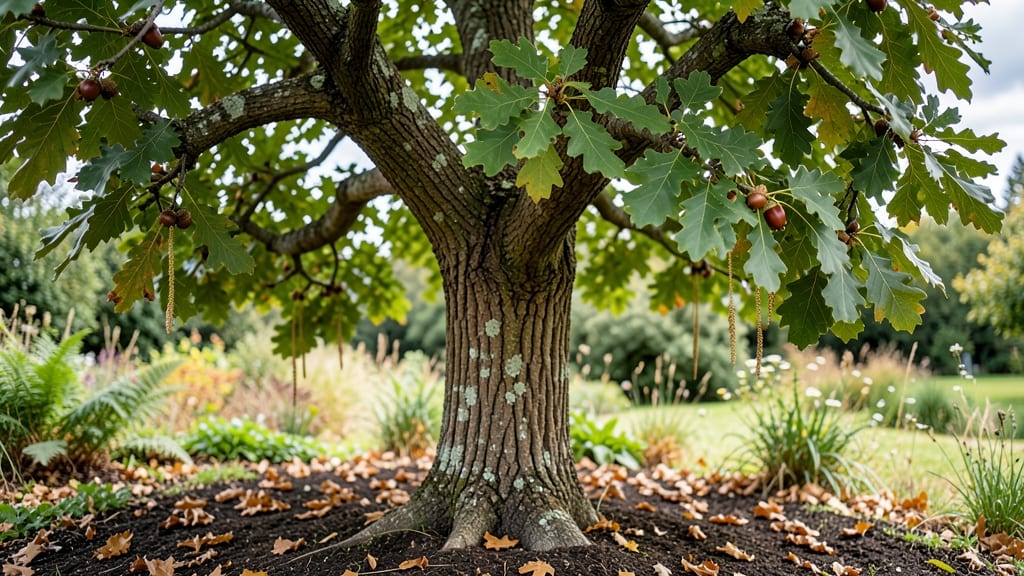
The tomato is to a garden as a tree is to a forest ecosystem—both serve as foundational species that shape their environment, provide food and shelter, and sustain biodiversity through their growth and ecological roles.
A garden's tomato plant mirrors a forest's towering oak in how it anchors the entire system. 🌱 Both create microclimates—tomatoes provide shade for smaller plants while their vines support pollinators like bees and butterflies, just as trees host entire food webs.
The real magic happens in their roots too: tomato plants improve soil structure through their deep growth, much like trees prevent erosion and cycle nutrients back into the ecosystem. This foundational role explains why losing either species would unravel the delicate balance of their respective habitats.
What makes this comparison so powerful is how both plants transform their environments into thriving ecosystems. A single tomato plant can attract dozens of beneficial insects, while a mature tree might support hundreds of species.
The key difference lies in scale—gardens work with smaller, more concentrated systems where every plant plays a critical role in maintaining health and productivity.
💡 In This Article
- How Tomatoes and Trees Function in Their Ecosystems
- Designing a Garden Like a Mini-Forest: Key Plant Pairings
How tomatoes and trees function in their ecosystems
A tomato plant operates like a miniature ecosystem architect within a garden. Its sprawling vines create a canopy effect, casting dappled shade that reduces soil moisture loss by up to 30% while protecting smaller plants from intense sunlight.
This mirrors how forest trees regulate temperature and humidity, creating microclimates that support understory growth. The real parallel emerges in their root systems: tomato roots exude organic compounds that stimulate beneficial soil microbes, much like tree roots form symbiotic relationships with mycorrhizal fungi to exchange nutrients.
The pollinator connection is where the comparison shines brightest. A single tomato plant can attract hundreds of bees and butterflies during its blooming season, providing critical food sources just as trees host entire insect communities.
Studies show that gardens with diverse flowering plants (like tomatoes paired with basil or marigolds) see 40% more pollinator activity than monoculture plots. Trees achieve similar results by offering nectar-rich flowers and shelter, creating a multi-tiered food web that sustains everything from birds to mammals.
Both plants also play nutrient cycling roles that prevent soil depletion. Tomato leaves, when composted, return potassium and phosphorus to the soil at rates comparable to leaf litter from deciduous trees.
The key difference lies in scale: a mature oak tree might cycle hundreds of pounds of nutrients annually, while a tomato plant contributes ounces—but in a garden, that concentrated impact is what maintains productivity over seasons.
This nutrient recycling explains why gardeners often see healthier subsequent crops after tomato harvests, just as forests maintain fertility through natural decomposition cycles.
The structural support each provides is equally vital. Tomato plants' vertical growth habit creates vertical space utilization, allowing gardeners to grow 3-4 times more plants in the same footprint. Trees achieve this through their stratified canopy layers, where each species occupies a different vertical zone.
Both systems prevent competitive exclusion—where one dominant plant would crowd out others—by creating niches for specialized species to thrive. In forests, this means ferns grow in shade; in gardens, it might mean lettuce thrives under tomato vines.
What makes tomatoes uniquely effective in gardens is their dual role as both producer and protector. Their fragrant foliage repels pests like aphids while attracting beneficial predators, creating a natural pest control system similar to how trees provide habitat for predator insects that keep herbivore populations in check.
This multi-functional approach is why ecological gardeners often prioritize tomatoes as keystone plants—just as certain tree species anchor entire forest ecosystems through their ecological services.
The most fascinating parallel involves seed dispersal mechanisms. Tomato seeds hitch rides on animals or decompose to enrich soil, while trees rely on wind, water, or animal vectors. Both systems ensure genetic diversity and spatial distribution of their species, preventing genetic bottlenecks that could threaten the entire ecosystem's resilience.
In a garden, this means your heirloom tomato varieties have a better chance of persisting year after year, just as forest trees maintain genetic diversity across generations.