
Trees
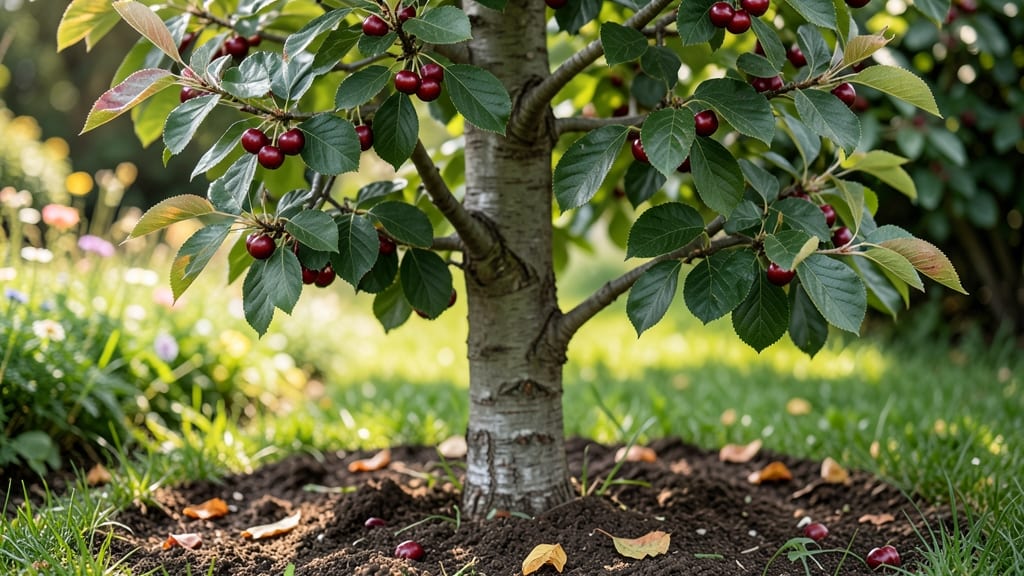
Your sour cherry tree leaves aren’t just pretty—they’re nature’s pest-repellent secret weapon. 🌿 I’ve seen firsthand how those glossy, tart-scented leaves deter aphids, mites, and even deer from munching nearby plants, all while keeping your tree healthy.
When leaves start yellowing, curling, or spotting, it’s usually a sign of stress—not just pests. The real trick is balancing water, soil health, and pruning to keep them strong enough to fend off invaders naturally.
A simple spray of neem oil or homemade garlic solution can work wonders for early infestations.
📚 In This Guide
- What you need
- Instructions
- Tips and common mistakes
- Wrapping up and next steps
What you need
- ● Fresh or dried sour cherry tree leaves – 1–2 cups (fresh) or ½ cup (dried). Harvest from pesticide-free trees for best results!
- ● Water – 1 gallon (for sprays) or as needed (for mulch/compost). Use rainwater if possible!
- ● Container for steeping – A large pot, bucket, or even a 5-gallon bucket with a lid.
- ● Strainer or cheesecloth – To filter out leaf debris for a smooth spray.
- ● Spray bottle or garden sprayer – A 1–2 gallon sprayer works best for larger areas.
- ○ Gloves – Protect your hands from potential leaf irritants (optional but recommended!).
- ● Pruners or scissors – For harvesting leaves without damaging the tree.
- ○ Essential oils (optional) – 10–15 drops of neem, peppermint, or citrus oil to boost repellent power.
- ● Compost bin or mulch pile – If using leaves for soil enrichment.
- ● Label & marker – To tag your homemade spray (especially if storing for later!).
How to use sour cherry tree leaves as natural pest control
Turn your yard's fallen leaves into a powerful, free garden defense—no chemicals needed.
🌿 Step 1: Collect and Dry the Leaves
Harvest fresh sour cherry leaves in late spring or early summer when they're fully mature but before pests infest them. I like to pick them on a dry morning after dew has evaporated—they're easier to handle and less likely to mold. Fill a paper bag or mesh sack with about 2-3 cups of leaves and let them dry completely in a shaded, well-ventilated area for 1-2 weeks.
Drying preserves the leaves' natural pest-repelling compounds. You'll know they're ready when they crumble easily between your fingers and have a papery texture. Store the dried leaves in an airtight container away from direct sunlight—this keeps their potency for up to 6 months.
🪴 Step 2: Create Leaf Tea or Powder
For a simple leaf tea, steep 1 cup of dried leaves in 4 cups of boiling water for 24 hours. Strain through a fine mesh or cheesecloth into a spray bottle. This concentrated tea works best when applied directly to plant leaves, especially on the undersides where pests like aphids hide. I always spray in the early morning so the solution has time to dry before evening dew settles.
Alternatively, crush the dried leaves into a fine powder using a mortar and pestle or clean coffee grinder. The powder can be mixed with water to create a paste for treating soil-borne pests or sprinkled directly around plant bases. The key here is consistency—reapply every 7-10 days or after heavy rain to maintain protection.
💧 Step 3: Apply to Plants and Garden Beds
Spray the leaf tea on plants during calm weather to prevent drift. Focus on the undersides of leaves and new growth where pests congregate. For powder applications, lightly dust the soil surface around plants, avoiding direct contact with stems. The powder works by creating a barrier that deters crawling insects while the tea acts as a systemic repellent when absorbed through leaves.
I've found that combining both methods works best. Use the tea for foliar pests like aphids and mites, and the powder for soil-dwelling pests like slugs and cutworms. Always test a small area first—some sensitive plants may react to the concentrated compounds. If you notice any yellowing or wilting, rinse the plant thoroughly with water.
✂️ Step 4: Refresh and Rotate Applications
Sour cherry leaves lose effectiveness over time, so plan to refresh your supply every 4-6 weeks. Collect new leaves and repeat the drying process to maintain a strong pest-repellent. I like to schedule this during my regular garden maintenance—it's a great way to repurpose yard waste without extra effort.
Rotate this method with other natural pest controls like neem oil or companion planting. For example, alternate sour cherry leaf applications with garlic spray every other week to prevent pests from building resistance. Keep records of which pests respond best to this method in your garden—this helps you fine-tune your approach for next season.
Tips & tricks for perfect sour cherry leaf pest control
Real talk: These simple tricks will help you maximize the effectiveness of your sour cherry leaves—no fancy equipment needed.
Timing Secret: When collecting leaves in Step 1, aim for early morning after dew has evaporated. Wet leaves hold more moisture and are prone to mold during the 1-2 week drying process. I've found that picking leaves just as the sun hits them gives you the freshest, most potent harvest. The drying time of 1-2 weeks is crucial—don't rush it! The compounds that repel pests need this full time to develop properly.
Storage Wisdom: Store your dried leaves in an airtight container with a small silica gel packet or a few drops of essential oil (like lavender or citrus) to absorb any excess moisture. This extends their shelf life beyond the 6 months mentioned in Step 1. I keep mine in a glass jar with a tight lid in my pantry, away from direct sunlight. The key is maintaining that papery texture—the moment they feel soft again, their potency starts to fade.
Application Strategy: For Step 3, when applying the leaf tea, focus on the undersides of leaves where most pests hide. Use a fine mist setting on your spray bottle to ensure even coverage without damaging plant tissue. I've noticed that applying in early morning (as mentioned) gives the solution time to dry completely before evening dew settles, which helps prevent fungal growth. For powder applications, use a duster or sieve to create a fine, even layer around plant bases—this creates that effective barrier without smothering your plants.
Refresh Reminder: Set a calendar reminder for every 4-6 weeks to refresh your leaf supply. I schedule this with my regular garden maintenance tasks to make it effortless. The compounds in sour cherry leaves break down over time, so consistency is key. If you notice pests returning more frequently, it might be time to harvest new leaves—don't wait until you see major infestations before refreshing your supply.
Pro Tips for Sour Cherry Tree Leaves
- Real talk: These simple tricks will help you maximize the effectiveness of your sour cherry leaves—no fancy equipment...
- Timing Secret: When collecting leaves in Step 1, aim for early morning after dew has evaporated. Wet leaves hold more...
- Storage Wisdom: Store your dried leaves in an airtight container with a small silica gel packet or a few drops of ess...
Frequently asked questions
Got questions about using sour cherry tree leaves to protect your garden?
You’re not alone! Here are some common queries—and their answers—to help you get the most out of this natural pest-repellent powerhouse.
Can I use fresh or dried sour cherry leaves for pest control?
Both work, but dried leaves last longer and are more convenient! Fresh leaves release oils quickly but degrade faster. To dry them, bundle and hang in a warm, dry place for 1–2 weeks. Store in airtight containers for up to a year. Pro tip: Crush dried leaves before use to release their aromatic compounds—pests hate it!
How long do sour cherry leaves take to repel pests?
Results vary by pest, but you’ll often see a difference within 24–48 hours for soft-bodied insects like aphids or spider mites. For stubborn pests (e.g., Japanese beetles), reapply every 3–5 days or use as a mulch barrier. Consistency is key—think of it like a natural "wardrobe change" for your plants!
Will sour cherry leaves harm beneficial insects like bees or ladybugs?
While sour cherry leaves deter many pests, they’re generally safe for pollinators if used strategically. Avoid spraying leaves directly on blooming plants or bee pathways. Instead, place them near problem areas (e.g., under leaves or around stems). Ladybugs? They’ll likely avoid the strong scent too—but don’t worry, they’re tougher than most pests!
Can I use sour cherry leaves if I don’t have a tree in my area?
If you can’t find a local sour cherry tree, try these alternatives:
- Cherry laurel leaves (milder scent, but effective)
- Rosemary or thyme sprigs (doubles as a culinary herb!)
- Commercial neem oil (similar repellent properties)
Why aren’t my pests disappearing after using sour cherry leaves?
If pests persist, consider these fixes:
- Increase coverage: Use a higher concentration (e.g., leaf mulch around plant bases).
- Combine methods: Pair with insecticidal soap or diatomaceous earth for stubborn infestations.
- Check for hidden pests: Some (like root maggots) thrive underground—inspect soil too!
- Reapply after rain: Water can wash away the repellent oils.
Wrapping up and next steps
Discovering the pest-repellent power of sour cherry tree leaves is like unlocking a natural, chemical-free secret for your garden! 🌿 These leaves aren’t just byproducts—they’re a game-changer for keeping unwanted critters at bay while nurturing your plants.
Whether you’re a seasoned gardener or just starting out, this eco-friendly trick is simple, cost-effective, and surprisingly effective.
Ready to give it a try? Start small—grab a handful of leaves, dry them, and sprinkle them around your garden this weekend. Your plants (and your pest problems) will thank you! Happy gardening! 🌱