
Pruning
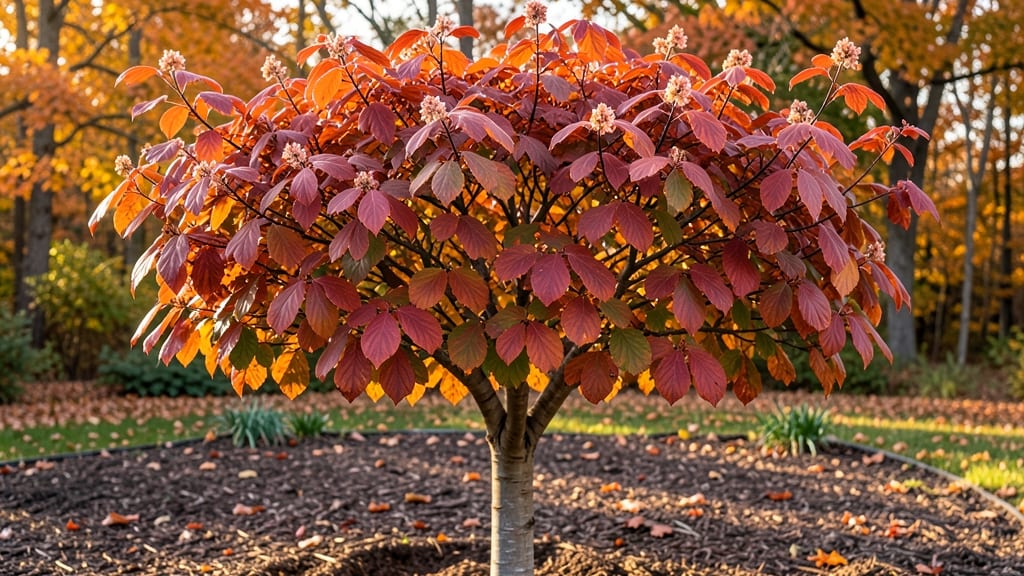
The Rising Sun Redbud tree’s fall color transforms into a fiery orange spectacle 🌳 that rivals its famous spring blooms — a brief but dazzling show that leaves gardeners reaching for their cameras.
If you’ve ever watched a Cercis canadensis 'Rising Sun' turn your yard into a fiery autumn masterpiece, you know its fall color is one of nature’s most breathtaking displays—brief but unforgettable.
Unlike many trees that fade into dull browns, this variety packs a punch with vibrant hues that appear in late September or October, depending on your USDA zone. The key to unlocking that bold orange glow lies in sunlight, soil, and even how you prune.
Below, I’ll break down exactly when to expect the color shift, how to maximize its intensity, and why this tree’s autumn show often outshines its spring fame.


When does Rising Sun redbud tree showcase its stunning fall orange?
The Cercis canadensis 'Rising Sun' redbud tree steals the show in autumn with its fiery orange foliage, but timing is everything. Unlike its famous spring blooms, this fall display arrives later—typically between late September and early October in most temperate climates.
In cooler regions like USDA Zones 5-6, expect the color shift to begin as early as mid-September, while warmer zones may see it peak in November.
What makes this transition so magical? The tree’s leaves start as deep green in summer, then gradually transform into burnt orange hues before dropping. This brief but brilliant show lasts only 3-4 weeks, making it a seasonal highlight worth planning for.
Unlike spring’s pink blossoms, the fall color is all about the foliage spectacle, creating a warm contrast against cooler autumn tones.
🌿
The exact timing of your Rising Sun redbud’s fall color depends on three critical factors: sunlight exposure, temperature fluctuations, and soil health. Trees planted in full sun (6+ hours daily) develop the most intense orange hues, while those in partial shade may produce muted yellow-green tones.
A sudden temperature drop below 50°F triggers the color change faster, which is why early fall is ideal.
Soil plays a surprising role too. Well-draining, slightly acidic to neutral soil (pH 6.0-7.0) ensures vibrant fall colors, while compacted or nutrient-poor soil can dull the display. If your tree’s leaves turn brown prematurely, it might need a mulch top-dressing or balanced fertilizer applied in early spring.
Think of it as a nutrient bank for autumn’s grand finale.
☀️
One common misconception is that the Rising Sun redbud’s fall color mirrors its spring blooms. While both seasons offer stunning visuals, the mechanisms are different. Spring’s magenta-pink flowers appear on bare branches, while fall’s orange foliage emerges after summer’s green canopy.
The contrast between these two seasons is part of the tree’s charm—spring romance followed by autumn drama.
For gardeners in cooler climates (Zones 4-5), the fall display may arrive earlier due to shorter growing seasons. In warmer zones (Zones 7-8), the color change often stretches into November, but the intensity may be less vibrant.
To extend the show, pair your redbud with companion plants like sweetgum or maple trees, which complement its fiery tones.
🌳
Pro tip: If your tree’s fall color seems lackluster, don’t panic. Prune in late winter (before buds swell) to remove dead or crossing branches, which improves airflow and sunlight penetration.
Avoid heavy pruning in fall, as it can stress the tree when it’s already preparing for dormancy. A little early-season care goes a long way toward a show-stopping autumn display.
Finally, embrace the ephemeral nature of this color show. The Rising Sun redbud’s fall foliage is a fleeting masterpiece, but with the right conditions, it becomes the centerpiece of your autumn garden.
Mark your calendar for late September, grab your camera, and get ready to witness nature’s most dramatic color transformation.
How to maximize the Rising Sun redbud’s fall color display
The Rising Sun Redbud (Cercis canadensis 'Rising Sun') delivers its most dramatic show in fall when leaves shift from green to fiery orange-red hues.
To make this transformation last longer and look more vibrant, focus on three key areas: pruning strategies, soil health, and watering consistency. Even small adjustments can turn a good display into a showstopper that neighbors will envy.
Fall color intensity depends on how well your tree stores energy during summer. Unlike spring blooms, which rely on current season growth, autumn foliage depends on root reserves built over months.
Start optimizing now to ensure those leaves blaze brighter and stay longer before dropping. The right approach also prevents stress, which can dull colors or cause early leaf drop.
- Prune in late winter: Remove 1/3 of weak branches before buds swell (Feb-March). This boosts airflow and energy for fall foliage. Avoid summer pruning, which stresses the tree.
- Amend soil with compost: Mix 2-3 inches of compost into topsoil annually. Focus on nitrogen and phosphorus (10-10-10 fertilizer in spring) to fuel leaf production.
- Water deeply in summer: 10 gallons per week (deep soak, not frequent light watering) prevents drought stress. Mulch with 3-inch wood chips to retain moisture.
- Choose sun-loving companions: Plant goldenrod or black-eyed Susan nearby to extend the color season. These perennials bloom when redbud leaves peak.
- Avoid late-season fertilizers: Stop feeding after July 15. New growth won’t harden off for winter, risking leaf scorch and dulling fall colors.
Timing your pruning is critical—never cut branches after mid-June, as new growth won’t mature before fall. If you prune too late, you’ll sacrifice next year’s spring blooms and weaken the tree’s ability to store carbohydrates for autumn color.
Use sharp, clean tools to make 1/4-inch cuts just above outward-facing buds for the cleanest results.
Soil pH plays a surprising role in fall color vibrancy. Test your soil—ideal pH for redbuds is 6.0 to 7.0. If your soil is too acidic (<5.5), amend with lime in early spring. Too alkaline (>7.5)?
Add sulfur or peat moss. Both extremes limit nutrient uptake, leading to pale or muted fall foliage. A simple soil test kit costs $10 and saves you from guesswork.
Companion plants can extend your redbud’s visual impact. Pair it with Japanese maples (for contrasting colors) or ornamental grasses (like Miscanthus) to create movement in your landscape.
These plants also reflect sunlight onto the redbud’s canopy, enhancing its orange-red hues. Just avoid planting anything too competitive—stick to shade-tolerant perennials within a 6-foot radius.
Remember: The Rising Sun Redbud’s fall color display is brief—typically 2-3 weeks in most climates. By following these tips, you’ll ensure those weeks are as spectacular as possible. Start now, and next autumn, your yard will be the talk of the neighborhood. 🍂🌳