
Trees
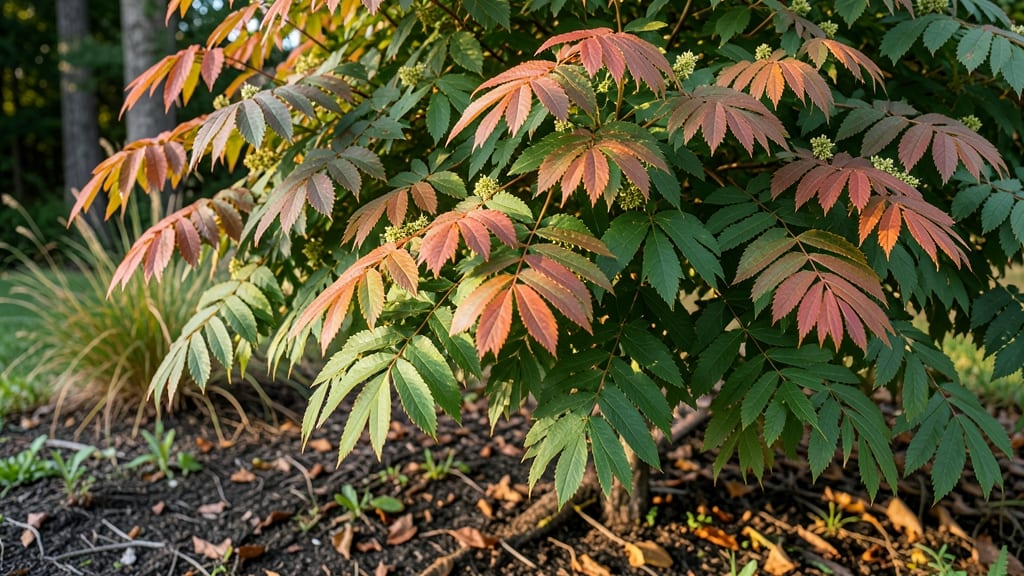
Rhus tree leaves turn out to be nature's secret weapon for a bold, earthy tea—if you can spot the right ones. 🌿 The first time I brewed sumac tea from my backyard tree, I was shocked by how vibrant and tangy it tasted, like a citrusy autumn in a cup.
But before you harvest, you need to tell healthy leaves from those struggling with pests or disease.
Yellowing leaves might signal spider mites or scale, while brown spots often mean fungal leaf spot. Check the undersides of leaves for webbing or sticky residue—those are red flags. In fall, normal color changes happen, but if leaves drop early or look scorched, your tree might be stressed.
Organic neem oil or insecticidal soap works wonders for pests, while proper spacing and watering prevent fungal issues.
📚 In This Guide
- What you need
- Instructions
- Tips and common mistakes
- Wrapping up and next steps
What you need
- ● Fresh or dried rhus tree leaves: 1–2 cups (ensure they’re from a non-toxic species like Rhus typhina or Rhus aromatica—avoid poisonous lookalikes!)
- ● Clean foraging tools: Pruning shears or sharp scissors (for harvesting)
- ○ Gloves (optional but recommended—some rhus species have irritating sap)
- ● Water: 1–2 quarts (filtered or spring water for best flavor)
- ● Heat source: Stovetop kettle or teapot (for hot infusion)
- ● OR
- ● French press or fine-mesh strainer (for cold brew)
- ● Complementary herbs (pick 1–2): Citrus peel (orange, lemon, or grapefruit—½ tsp dried)
- ● Honey or maple syrup (1 tsp to sweeten)
- ● Cinnamon stick (1 small piece for warmth)
- ● Storage containers: Air-tight jar or resealable bag (for dried leaves)
- ● Ice cube tray (for frozen citrus-infused rhus tea cubes)
- ● Labeling supplies (if storing long-term): Masking tape + marker
How to harvest and prepare rhus tree leaves for tea
Here's how to gather and process these fragrant leaves for a bold, citrusy herbal infusion.
🌿 Step 1: Identify and Harvest Young Leaves
Look for Rhus typhina (staghorn sumac) or Rhus glabra (smooth sumac) in spring or early summer when new leaves are tender and bright green. Avoid older leaves—they're tougher and less aromatic. Pick only what you need, leaving plenty for the tree to thrive.
Use clean, sharp scissors to snip 3-4 inch stems with leaves attached. Harvest on a dry, sunny morning after dew has evaporated—this preserves the most volatile oils. Never take more than 20% of the foliage from a single branch to avoid stressing the tree.
🌱 Step 2: Clean and Prepare the Leaves
Rinse the leaves gently but thoroughly under cool water to remove dirt and insects. Pat dry immediately with a clean towel or paper towels—moisture encourages mold during drying. Spread the leaves in a single layer on a clean, dry surface like a baking sheet.
Let them air-dry in a well-ventilated area out of direct sunlight for 3-5 days. Stir them occasionally to ensure even drying. You'll know they're ready when they crisp easily between your fingers and lose their fresh green color, turning a dull olive green. Store dried leaves in an airtight glass jar away from light.
☀️ Step 3: Steep for Maximum Flavor
For every 1 cup of water, use 1-2 teaspoons of dried leaves. Bring water to a gentle boil, then pour over the leaves in a heatproof container. Cover and steep for 5-8 minutes—longer steeping extracts more bitterness. Strain through a fine-mesh sieve or cheesecloth into your teacup.
Sumac leaves have a bright, citrusy tang with earthy undertones. For a milder flavor, reduce steeping time to 3-4 minutes. Add honey or a slice of lemon if you prefer extra sweetness, but the leaves shine best enjoyed neat and unsweetened to appreciate their natural complexity.
💧 Step 4: Store and Reuse Dried Leaves
Keep your dried sumac leaves in a dark, airtight container in a cool, dry place. Properly stored leaves retain flavor for up to 1 year. To revive dried leaves, crush them lightly with your fingers before steeping—they'll release more aroma and flavor.
Use the same dried leaves for 2-3 steepings before discarding. Each subsequent brew will be slightly weaker but still delicious. If you notice a musty smell or dull color, it's time to compost the leaves and start fresh.
Tips & tricks for perfect rhus tree leaf tea
Took me a while to figure these out, so here goes—your secret weapon for turning simple sumac leaves into a standout herbal tea.
Harvesting Timing: The morning after a dry night is ideal for harvesting. Dew can dilute the volatile oils that give sumac its signature citrusy aroma, so always wait until the sun dries the leaves completely. I've found that harvesting just after the morning dew has evaporated—around 9-10 AM—preserves the most flavor. Avoid rainy days entirely; even light moisture can mute the bright, tangy notes you're after.
Drying Technique: When spreading your leaves to dry, use a surface with small holes or a wire rack if possible. This allows airflow on all sides, preventing mold and speeding up the drying process to within the 3-5 day window. I've ruined batches by using solid surfaces where moisture got trapped—don't make that mistake! Stir your leaves every 8-12 hours to ensure even drying, especially if your kitchen gets humid.
Steeping Precision: The 5-8 minute steeping range is your flavor sweet spot—any longer and you'll extract too much bitterness. For the perfect balance, aim for 6-7 minutes for a bold cup, or 3-4 minutes if you prefer a milder, more delicate tea. I like to set a timer and watch for the first signs of bitterness—when the tea starts tasting almost medicinal, that's your cue to strain it immediately.
Storage Wisdom: Glass jars with tight-sealing lids are non-negotiable for storing dried sumac leaves. The 1-year shelf life assumes you're keeping them in a cool, dark pantry—not above the stove where heat and light degrade the delicate oils. I store mine in a small amber glass jar in my spice drawer, and the flavor stays vibrant for months. If you notice any mustiness, compost those leaves immediately—they've gone bad and won't improve.
Pro Tips for Rhus Tree Leaves
- Took me a while to figure these out, so here goes—your secret weapon for turning simple sumac leaves into a standout herbal tea.
- Harvesting Timing: The morning after a dry night is ideal for harvesting.
- Drying Technique: When spreading your leaves to dry, use a surface with small holes or a wire rack if possible.
Frequently asked questions
Got questions about foraging rhus tree leaves for tea? We’ve got answers!
Whether you’re curious about timing, safety, or substitutes, here’s what you need to know before brewing your earthy citrus-infused blend.
When is the best time to harvest rhus tree leaves for tea?
The ideal time to pick rhus (sumac) leaves is in early spring or late summer, when they’re young, tender, and packed with flavor. Avoid harvesting after frost or when leaves are wilted—this can make them bitter. Pro tip: Morning harvests yield the freshest leaves with the most vibrant citrusy notes!
Are rhus tree leaves safe to eat? What about toxic look-alikes?
Yes, rhus (sumac) leaves are non-toxic and safe for tea, but never confuse them with poison ivy or poison oak—both have similar leaf shapes! To avoid mix-ups, check for hairy stems (sumac) or clustered berries (poison ivy/oak lacks these). When in doubt, consult a local foraging expert.
How do I prepare rhus leaves for tea? Do I need to dry them first?
Fresh leaves can be steeped directly in hot water (1 tsp per cup, 5–7 minutes), but drying preserves flavor and extends shelf life. To dry: Bundle leaves with twine, hang upside down in a dark, well-ventilated space for 1–2 weeks. Store in airtight containers away from light. For a stronger brew, use 1–2 tsp dried leaves per cup.
Can I use rhus leaves from any rhus tree species?
Most non-toxic rhus species (like staghorn sumac or fragrant sumac) work well, but avoid smooth sumac—its leaves are less flavorful. If you’re unsure, stick to edible sumac berries (a safer bet) or cross-reference with a field guide. Local nurseries or foraging groups can help ID your tree!
What can I do if my rhus leaf tea tastes bitter?
Bitter flavor usually means over-steeping or using old leaves. Fix it by:
- Reducing steep time to 3–5 minutes.
- Adding a pinch of honey or citrus zest to balance the taste.
- Using younger leaves (older leaves = more tannins = more bitterness).
Wrapping up and next steps
Rhus tree leaves offer a unique, earthy-citrus twist to your foraging adventures—perfect for crafting bold, aromatic teas that connect you to nature’s bounty. Whether you’re a seasoned forager or just starting, their versatility and rich flavor make them a must-try addition to your herbal blend repertoire.
Ready to brew? Grab your gloves, head outdoors, and start experimenting! Share your creations with fellow tea enthusiasts or tag us in your foraging journeys—let’s celebrate the magic of rhus leaves together. 🌿☕