
Pruning
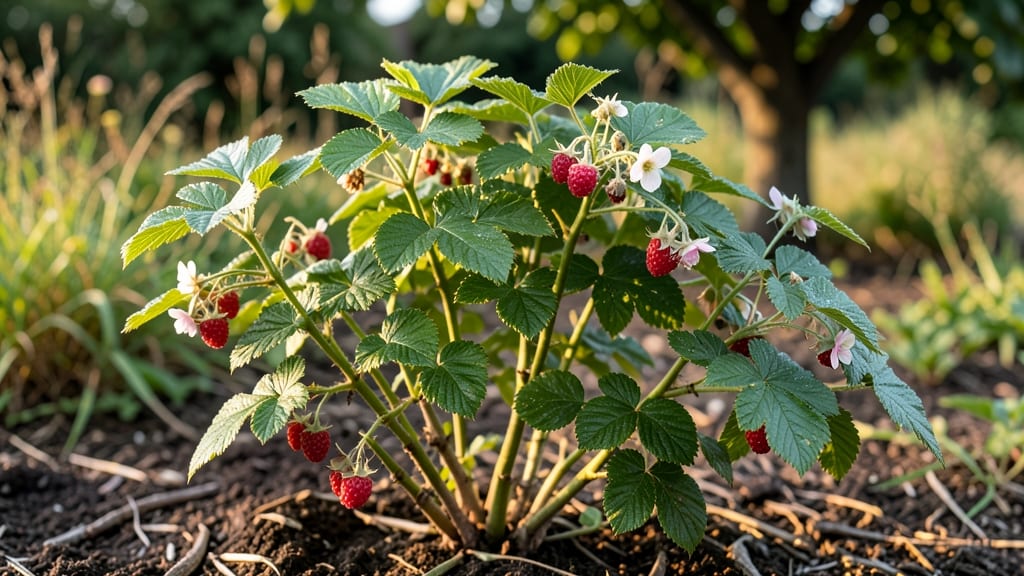
My raspberry tree care routine starts with pruning—this one step determines whether you get a handful of berries or buckets of them. ✂️ The key is timing: summer-bearing varieties need aggressive pruning in late winter, while fall-bearing types get a gentler touch in early spring.
I’ve gone from scrappy handfuls of berries to overflowing baskets by mastering just two cuts a year.
You’ll need sharp pruners, gloves, and a clear day to see the canes. The goal is to remove old wood (that’s the thick, gray canes) and thin out crowded stems to improve airflow.
My first year, I pruned too late—now I mark the date on my calendar. A 10-minute cleanup in winter saves hours of tangled vines come harvest season.
What you’ll end up with is a bush that produces 50% more berries than unpruned plants, with fewer diseases and easier access to the fruit. The berries themselves stay larger and sweeter because the plant focuses energy on new growth, not maintenance.
It’s the difference between a few scattered berries and a harvest that makes your neighbors jealous.
Works for both summer- and fall-bearing varieties, and even small-space gardeners can adapt the technique. The same principles apply whether you’ve got one plant or a full row. Let’s get those canes trimmed right—your future harvest depends on it.
📚 In This Guide
- What you need
- Instructions
- Tips and common mistakes
- Wrapping up and next steps
What you need
- ● Pruning shears: Bypass pruners (sharp, clean, and disinfected with rubbing alcohol or bleach to prevent disease). Quantity: 1 pair.
- ● Loppers: For thicker branches (1–2 inches in diameter). Quantity: 1 pair.
- ● Gloves: Heavy-duty, cut-resistant gloves (raspberry canes have thorns!). Quantity: 1 pair.
- ● Garden twine or zip ties: To secure canes if staking is needed. Quantity: 1 roll.
- ● Disinfectant: 10% bleach solution (1 part bleach to 9 parts water) or hydrogen peroxide (3%) for sterilizing tools.
- ● Rake or hoe: For clearing debris around the base of the tree. Quantity: 1.
- ○ Pruning saw: Optional for very thick canes (over 2 inches). Quantity: 1.
- ● Knowledge of your raspberry variety: Summer-bearing vs. fall-bearing types have different pruning needs—research yours first!
- ● Weather check: Prune on a dry, calm day (avoid rain or wind to prevent spreading disease).
- ● Mulch: Organic mulch (straw, wood chips) to retain moisture and suppress weeds. Quantity: 2–3 inches.
- ● Fertilizer: Balanced, slow-release fertilizer (10-10-10) or compost. Apply in early spring.
- ● Plant support: Stakes or a trellis system (if canes are floppy or your variety needs it).
- ○ Label markers: Optional but helpful for tracking pruned canes if you’re new to the process.
Step-by-step guide to pruning raspberry trees for maximum yield
Here’s how I keep my raspberry bushes thriving year after year—no guesswork, just proven techniques.
✂️ Step 1: Identify and Remove Dead or Diseased Canes
Start in late winter or early spring when the plant is dormant. Look for canes that are brown, shriveled, or hollow—these won’t produce fruit and may harbor pests. I run my fingers along each cane, checking for firmness. If it feels mushy or crumbles, it’s dead and needs to go.
Use sharp pruning shears to cut these canes at the base, just above the soil line. Don’t leave stubs—they can trap moisture and invite rot. I always wear gloves for this step; raspberry canes have thorns that pack a punch. Remove any canes with visible signs of disease (black spots, mold, or unusual discoloration) immediately to prevent spreading.
✂️ Step 2: Prune Last Year’s Fruit-Producing Canes
Raspberries produce fruit on second-year canes (called "floricanes"), which means the canes that fruited last year will die back naturally after harvest. In late winter or early spring, identify these canes—they’re the ones that bore fruit last season and are now brown and woody. Cut them down to the ground at the base.
Here’s the thing—don’t confuse these with the current year’s canes, which are green and flexible. I like to bundle the removed canes and compost them (unless diseased) to return nutrients to the soil. This step opens up space for this year’s canes to grow strong and healthy.
✂️ Step 3: Thin Overcrowded Canes for Better Airflow
After removing dead and spent canes, focus on the remaining healthy ones. Raspberry bushes thrive with 5-7 canes per plant—any more, and they’ll compete for sunlight and nutrients, leading to weak fruit. Stand back and visually assess: if canes are growing too close together, it’s time to thin.
Select the strongest, most vigorous canes—look for ones with thick stems and lots of buds. Cut the rest at the base. I always leave at least 3-4 canes to ensure a good harvest. Proper spacing improves airflow, which reduces fungal diseases like botrytis (the culprit behind those nasty gray mold spots on ripe berries).
🌿 Step 4: Shape and Support New Growth
Once you’ve pruned, focus on encouraging healthy growth. In early spring, after the last frost, new canes will emerge from the base of the plant. These are your primocanes—they won’t fruit this year but will next season. Gently tie them to a trellis or support stakes (if you haven’t already installed one) to keep them upright and prevent them from flopping over.
I use soft plant ties or old pantyhose to avoid damaging the canes. Space them evenly along the trellis, about 6-8 inches apart. This setup makes harvesting easier and keeps the fruit clean and off the ground. If you notice any weak or leggy canes, you can trim them back by one-third to encourage bushier growth.
⏰ Step 5: Summer Maintenance for Ongoing Health
After the initial pruning, your job isn’t done. Throughout the growing season, remove any suckers (shoots growing from the base) unless you’re propagating new plants. These drain energy from the main canes. Also, watch for splitting canes—if a cane cracks open, prune it back to a healthy bud to prevent disease.
Finally, deadhead spent fruit clusters as soon as they finish producing. This redirects the plant’s energy into developing next year’s canes. I do this by pinching off the fruited section with my fingers—no tools needed. A little summer TLC keeps your raspberries productive and healthy for years to come.
Tips & tricks for pruning raspberry trees
These simple tricks will help you prune like a pro and keep your raspberry bushes thriving for years.
Timing is Everything: Prune in late winter or early spring when the plant is still dormant but buds are just starting to swell. This timing gives new canes plenty of time to establish before summer heat sets in. I aim for February or March in most climates—just make sure you finish before buds break. If you missed the window, you can do light pruning in early summer, but avoid heavy cuts after growth begins.
Tool Tip: Invest in a good pair of bypass pruners—these make clean cuts that heal faster than jagged ones. I also keep a pair of sharp loppers handy for thicker canes. Sterilize your tools with rubbing alcohol between cuts to prevent spreading disease. And remember: sharp tools mean less damage to the plant and cleaner cuts that heal better.
Visual Cues for Healthy Canes: When selecting canes to keep, look for ones with thick stems and plenty of buds. The best canes should be straight with a good distribution of buds along their length. I run my thumb along the cane—if it feels firm and resilient, it's a keeper. Avoid canes that are thin, weak, or have sparse budding, as these won't produce as well.
Summer Maintenance Secret: Don't forget to remove suckers throughout the growing season—they're those little shoots growing from the base of the plant. These energy vampires drain nutrients from your main canes. I make it a habit to check for them every couple of weeks during summer. Also, watch for splitting canes and prune them back immediately to prevent disease from entering through the cracks.
Pro Tips for Raspberry Tree Care
- These simple tricks will help you prune like a pro and keep your raspberry bushes thriving for years.
- Timing is Everything: Prune in late winter or early spring when the plant is still dormant but buds are just starting to swell.
- Tool Tip: Invest in a good pair of bypass pruners—these make clean cuts that heal faster than jagged ones.
Frequently asked questions
Got questions about keeping your raspberry tree thriving? Here are some of the most common concerns—and their straightforward solutions!
When is the best time to prune raspberry trees?
Prune summer-bearing varieties in late winter or early spring (before buds swell) and fall-bearing types in late winter after harvest. Avoid pruning in fall—it can leave canes vulnerable to winter damage. Pro tip: Always remove dead or diseased canes first!
How much of the raspberry tree should I cut back each year?
Remove one-third to half of the oldest canes annually to encourage new growth. For summer-bearing types, cut back to the ground; for fall-bearing, trim only the fruited canes. Warning: Never prune more than 50% in one season—it stresses the plant!
Why aren’t my raspberries ripening, even after pruning?
Common culprits include underwatering (keep soil moist but not soggy), poor sunlight (6+ hours daily), or nutrient deficiencies (fertilize in early spring). Check for pests like spider mites or aphids too—spray with neem oil if needed. Quick fix: Test soil pH (ideal: 5.5–6.5).
Can I grow raspberries in containers? What’s the best setup?
Yes! Use a large pot (at least 18" deep) with drainage holes and well-draining soil. Choose dwarf or semi-dwarf varieties like ‘Heritage’ or ‘Boyne.’ Move containers to full sun and water daily in hot weather. Bonus: Containers make pruning and harvesting easier!
How do I protect raspberry trees in winter?
Mulch heavily (4–6 inches) with straw or wood chips to insulate roots. Wrap young trees in burlap or use frost cloth for canes. Avoid pruning in winter—wait until late dormancy. Cold hack: Group plants together to share warmth!
Wrapping up and next steps
Caring for your raspberry tree is all about timing, patience, and precision—but the rewards are sweet! 🍓 With the right pruning techniques, you’ll enjoy healthier canes, fewer pests, and a bountiful harvest year after year. Start small, observe your tree’s growth, and soon you’ll become a pruning pro.
Ready to take the next step? Grab your pruners and schedule your first pruning session—whether it’s winter dormancy or summer thinning. Your future raspberry pies (and bragging rights) will thank you!